

RAISING CHILDREN WHO LOVE ALLAH: A MUSLIM PARENT’S GUIDE TO NURTURING FAITH IN YOUNG HEARTS

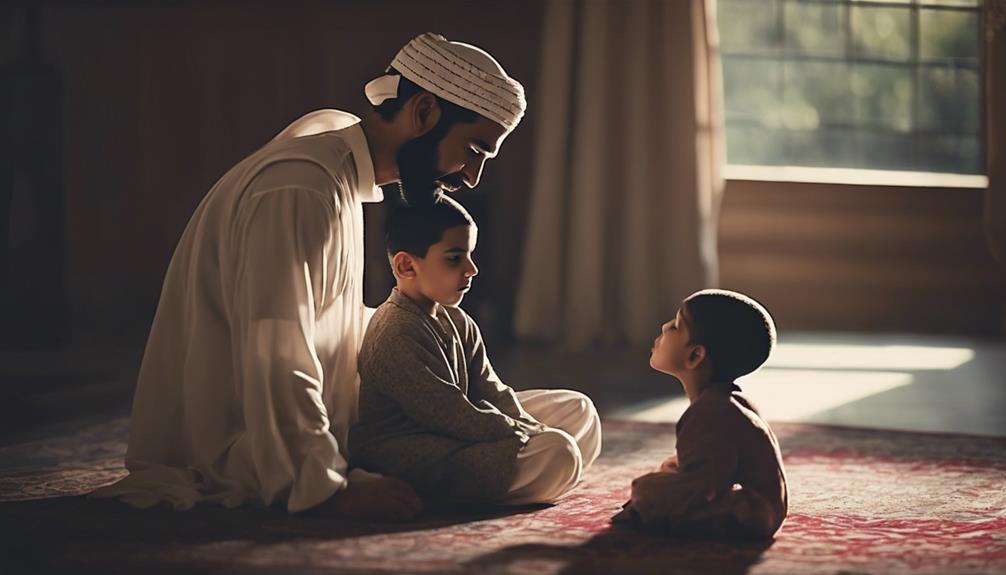
Every Muslim parent has a beautiful dream: to raise children who love Allah, follow the teachings of Islam, observe their prayers, respect others and grow into righteous individuals who contribute positively to society.
We want our children to become successful in this world, but more importantly, we want them to succeed in the Hereafter. We want them to grow up knowing their Creator, understanding the purpose of their existence and finding comfort in their relationship with Allah.
However, raising children who genuinely love Allah requires more than simply telling them to pray, recite the Qur’an or observe Islamic rules. It involves nurturing their hearts, teaching them the beauty of Islam and helping them develop a personal connection with their Creator from an early age.
Children should not grow up seeing Islam merely as a collection of restrictions and responsibilities. They should understand that Islam is a beautiful way of life that teaches kindness, patience, honesty, gratitude and love for Allah.
So, how can Muslim parents raise children who genuinely love Allah?
Let’s explore some practical ways to nurture faith in our children’s hearts.
1. Be a Good Example to Your Children
One of the most powerful ways to teach children about Islam is through personal example.
Children are excellent observers. They notice how their parents behave, speak, treat others and respond to difficult situations. They often imitate what they see more than what they are told.
If you want your children to love Salah, let them see you observing your prayers consistently. If you want them to love the Qur’an, allow them to see you reading it regularly. If you want them to develop good manners, demonstrate kindness, honesty and patience in your everyday interactions.
For instance, instead of constantly telling your children to say Alhamdulillah, let them hear you expressing gratitude to Allah throughout the day.
When something good happens, say Alhamdulillah. When you face difficulties, demonstrate patience and remind them that Allah is always there.
Remember, your actions can become some of your children’s earliest lessons about Islam.
2. Teach Them About Allah’s Love and Mercy
Children need to understand who Allah is before they can develop a meaningful relationship with Him.
Teach them about Allah’s beautiful names and attributes. Explain that Allah is Ar-Rahman, the Most Merciful, Al-Ghafur, the Most Forgiving, and Al-Wadud, the Most Loving.
Help them understand that Allah created them, provides for them, protects them and hears their duas.
When your child makes a mistake, use the opportunity to teach them about repentance and Allah’s forgiveness rather than making them feel that they are beyond forgiveness.
You can say:
“Allah loves when we turn to Him and ask for forgiveness. When you make a mistake, you can always repent and try to do better.”
This helps children develop hope, trust and love for Allah.
They should understand that although Allah commands us to obey Him, He is also Most Merciful and Most Forgiving.
3. Make Salah a Beautiful Family Habit
Salah is one of the most important foundations of a Muslim’s life. Teaching children to pray from an early age helps them develop a lifelong connection with Allah.
However, introducing Salah should be done with patience, encouragement and consistency.
Allow your children to observe you praying. When they show interest, invite them to stand beside you.
You can make family prayer time a special moment by gathering everyone together for Salah, especially Maghrib and Isha when possible.
Teach them the meaning of the words they recite during prayer so they understand that Salah is not simply a series of movements but a conversation and act of worship directed towards Allah.
Encourage them whenever they make an effort, even if their movements or recitation are not perfect.
The goal is to help them develop love for Salah rather than fear of making mistakes.
4. Make the Qur’an Part of Everyday Life
The Qur’an should not be something children only encounter during Islamic lessons or weekend classes.
Make it a natural part of your home.
Set aside a few minutes every day for family Qur’an reading. Start with short surahs and gradually introduce their meanings and lessons.
You can also:
- Memorise short surahs together.
- Listen to Qur’an recitation during appropriate family moments.
- Explain simple verses in language children understand.
- Encourage them to learn the meaning of the surahs they recite in Salah.
- Share stories of the Prophets mentioned in the Qur’an.
Most importantly, help them understand that the Qur’an is a guide for their everyday lives.
For example, when teaching them about honesty, share the Islamic teachings on truthfulness. When discussing kindness, explain how Islam encourages us to treat others with compassion.
This helps children understand that the Qur’an is relevant to every aspect of their lives.
5. Tell Them Beautiful Stories of the Prophets
Children naturally enjoy stories. Islamic stories provide an excellent opportunity to introduce important lessons about faith, patience, courage and obedience to Allah.
Tell them about Prophet Ibrahim (AS) and his extraordinary trust in Allah.
Share the story of Prophet Yusuf (AS), who remained patient despite betrayal and hardship.
Teach them about Prophet Musa (AS) and how Allah helped him overcome seemingly impossible challenges.
Introduce them to Prophet Muhammad (peace and blessings be upon him), his kindness, honesty, compassion and beautiful character.
You can also share stories about the righteous women in Islamic history, such as Maryam (AS), Khadijah (RA), Aishah (RA) and Asiyah.
After every story, discuss the lessons your children can apply in their own lives.
For example, after telling the story of Prophet Yusuf (AS), ask them:
“What can we learn about patience and forgiveness from his story?”
This turns storytelling into a meaningful Islamic learning experience.
6. Teach Them to Make Dua and Talk to Allah
One of the most beautiful things you can teach your children is that they can turn to Allah whenever they need help.
Encourage them to make dua when they are happy, sad, worried, excited or afraid.
Teach them simple duas for everyday activities, such as eating, sleeping, leaving the house and seeking knowledge.
More importantly, explain that they can also ask Allah for their personal needs in their own words.
For example, when your child is worried about an examination, encourage them to make dua for understanding, confidence and beneficial knowledge.
When they are upset about something, remind them that Allah hears every sincere supplication.
Make dua together as a family. Let your children hear you asking Allah to guide, protect and bless them.
Over time, they will learn that Allah is the One they can always turn to.
7. Create an Islamic Atmosphere at Home
The home is one of the most important environments for a child’s spiritual development.
A home filled with remembrance of Allah, kindness, good manners and Islamic teachings can positively influence a child’s understanding of faith.
You do not need an elaborate arrangement to create an Islamic atmosphere.
Simple practices can make a difference:
- Begin important activities by saying Bismillah.
- Encourage everyone to greet one another with Assalamu Alaikum.
- Read Qur’an together regularly.
- Display Islamic reminders and meaningful duas.
- Discuss the teachings of Islam during family conversations.
- Encourage kindness, honesty and respect among family members.
- Make time for family Islamic learning.
Let Islam be visible in your everyday family life.
Your children should grow up understanding that Islam is not limited to the mosque or Islamic school. It is a way of life.
8. Teach Them Good Character and Respect for Others
Loving Allah should reflect in how we treat other people.
A child who prays regularly but constantly mistreats others needs guidance in understanding the importance of Islamic character.
Teach your children to be truthful, respectful, generous, forgiving and compassionate.
Explain the importance of respecting parents, showing kindness to neighbours, helping people in need and treating others fairly.
Encourage them to share their belongings, apologise when they hurt someone and speak politely even when they disagree.
Let them understand that good character is an important part of being a Muslim.
The Prophet Muhammad (peace and blessings be upon him) taught us the importance of excellent character through his words and actions.
Children should learn that their relationship with Allah should influence their relationships with everyone around them.
9. Be Gentle When Correcting Their Mistakes
No child is perfect, and no parent is perfect either.
As children grow, they will make mistakes, ask difficult questions and sometimes struggle with religious responsibilities.
Your response to their mistakes can influence how they view Islam.
Avoid making them feel ashamed or unworthy whenever they fall short. Correct them with wisdom, patience and kindness.
Explain why certain behaviours are wrong instead of simply shouting or punishing them.
When they ask questions about Islam, take their questions seriously. If you do not know the answer, let them know that you will seek reliable Islamic knowledge.
Never make a child feel that asking sincere questions is wrong.
The aim is to guide them towards understanding and practising Islam with conviction, not simply to make them obey out of fear.
10. Surround Them with Good Company
The people children spend time with can influence their attitudes, habits and behaviour.
Encourage friendships with children who have good manners and positive values.
Consider enrolling them in beneficial Islamic classes, Qur’an lessons and activities that help them develop friendships with other Muslim children.
Introduce them to positive Muslim role models through books, educational programmes and community activities.
As they grow older, teach them how to make wise decisions about friendships, online interactions and the content they consume.
You cannot control every influence your children encounter, but you can equip them with the knowledge and confidence to make good choices.
11. Make Islam Enjoyable and Age-Appropriate
Children learn differently at different stages of development.
A toddler may enjoy learning short duas through repetition, while an older child may appreciate discussions about Islamic history and the meanings of Qur’anic verses.
Find creative ways to make Islamic learning interesting.
You can:
- Organise family Islamic quizzes.
- Have a weekly storytime about the Prophets.
- Create a simple Ramadan good-deeds chart.
- Encourage children to memorise one new dua each week.
- Read Islamic children’s books together.
- Reward consistent effort and positive habits with encouragement.
Remember that Islamic education should be meaningful and appropriate for the child’s age.
Do not overwhelm young children with too many expectations at once. Build their knowledge gradually.
12. Constantly Make Dua for Their Guidance
No matter how much effort parents make, guidance ultimately belongs to Allah.
This is why making dua for our children is so important.
Ask Allah to make them righteous, protect their hearts, guide their decisions and make them among those who love and obey Him.
One beautiful dua from the Qur’an is:
رَبَّنَا هَبْ لَنَا مِنْ أَزْوَاجِنَا وَذُرِّيَّاتِنَا قُرَّةَ أَعْيُنٍ وَاجْعَلْنَا لِلْمُتَّقِينَ إِمَامًا
Transliteration: Rabbana hab lana min azwajina wa dhurriyyatina qurrata a’yunin waj’alna lil-muttaqina imama.
Meaning: “Our Lord, grant us from among our spouses and offspring comfort to our eyes and make us an example for the righteous.”
(Surah Al-Furqan 25:74)
Another beautiful dua is:
رَبِّ اجْعَلْنِي مُقِيمَ الصَّلَاةِ وَمِنْ ذُرِّيَّتِي رَبَّنَا وَتَقَبَّلْ دُعَاءِ
Transliteration: Rabbi-j’alni muqimas-salati wa min dhurriyyati, Rabbana wa taqabbal du’a.
Meaning: “My Lord, make me an establisher of prayer, and [many] from my descendants. Our Lord, and accept my supplication.”
(Surah Ibrahim 14:40)
Make these duas regularly and ask Allah to bless your children with strong faith and beautiful character.
Common Mistakes Parents Should Avoid When Raising Muslim Children
While trying to raise righteous children, parents should be careful not to unintentionally create negative associations with religion.
Here are some mistakes to avoid:
1. Teaching Islam only through punishment: Children need encouragement, affection and positive guidance alongside discipline.
2. Comparing children with others: Every child develops differently. Comparison can discourage them and damage their confidence.
3. Ignoring their questions: Allow children to ask questions and seek answers through authentic Islamic knowledge.
4. Being inconsistent: Avoid demanding behaviours from your children that you are unwilling to practise yourself.
5. Focusing only on outward religious practices: Teach them the importance of sincerity, kindness, honesty and good character alongside acts of worship.
6. Expecting perfection: Spiritual growth takes time. Be patient as your children learn and develop.
Conclusion: Raise Children Who Love Allah, Not Just Children Who Know Islamic Rules
Raising children who love Allah is one of the most meaningful responsibilities of Muslim parents.
It is a journey that requires patience, consistency, sacrifice, wisdom and plenty of dua.
Your children may not remember every Islamic lesson you teach them, but they may remember the sound of Qur’an recitation in your home, the sight of you making Salah, the kindness you showed others and the way you turned to Allah during difficult moments.
Let them experience Islam through your actions, your words and the atmosphere you create in your home.
Do not only teach them how to pray; teach them why they should love the One they are praying to.
Do not only teach them to memorise the Qur’an; help them appreciate its guidance.
Do not only tell them to obey Allah; help them understand the beauty of worshipping Him.
And above all, never stop making dua for them.
May Allah bless us with righteous children who love Him, follow the Sunnah of Prophet Muhammad (peace and blessings be upon him), uphold the teachings of Islam and become a source of goodness in this world and the Hereafter. Ameen.
