


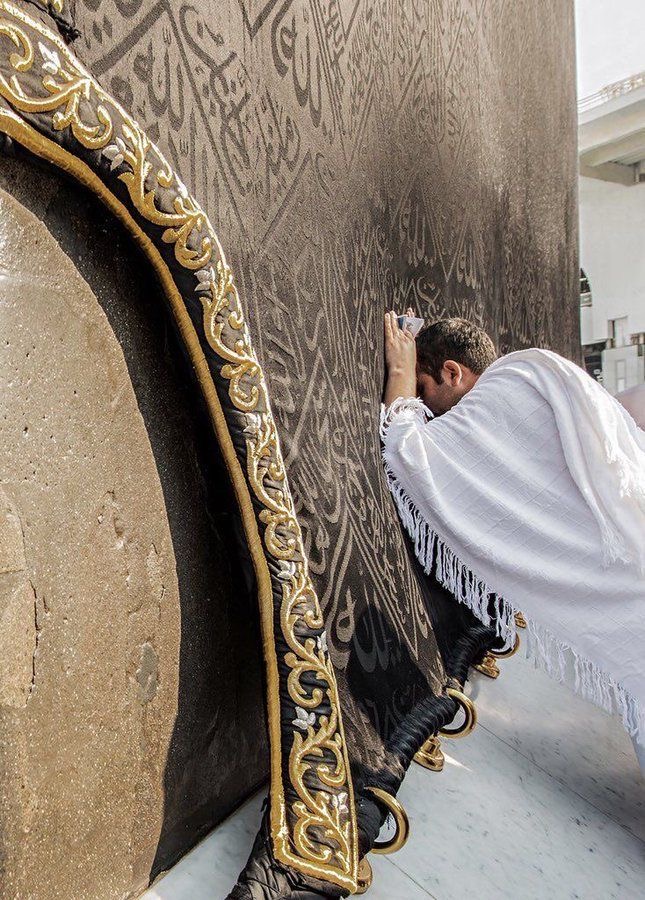
Umrah is one of the beautiful acts of worship through which a Muslim draws closer to Allah. It is a journey of faith, repentance, humility, and spiritual renewal. Every year, millions of Muslims travel to Makkah with the hope of receiving Allah’s mercy, having their sins forgiven, and returning home with hearts filled with faith.
However, beyond the journey, the Ihram garments, the circumambulation of the Ka’bah, and the Sa’i between Safa and Marwah, there is an essential matter that every pilgrim must consider: sincerity of intention, known in Islam as Ikhlas.
A person may spend a great deal of money preparing for Umrah, travel thousands of kilometres, and perform its rituals carefully. Yet, a Muslim must always examine the intention behind these actions and ask: Am I performing this act of worship solely for Allah, or am I seeking the praise and admiration of people?
Ikhlas is the foundation of accepted worship. It means directing one’s worship sincerely to Allah alone, seeking His pleasure and reward without associating other motives with the act of devotion.
This article explores the meaning of Ikhlas, its importance in Umrah, how to purify one’s intention, common challenges pilgrims face, and practical ways to maintain sincerity throughout the journey.
1. What Is Ikhlas in Islam?
The Arabic word Ikhlas means sincerity, purity, and freedom from anything that contaminates an intention.
In Islamic worship, Ikhlas means performing acts of devotion for the sake of Allah alone, seeking His pleasure and reward rather than the approval of people.
A sincere Muslim does not pray merely to be regarded as religious, give charity to receive public recognition, or perform Umrah to earn admiration from family and friends. Instead, the believer seeks the pleasure of Allah and hopes for His acceptance.
Allah says in the Qur’an:
“Indeed, We have sent down to you the Book in truth. So worship Allah, [being] sincere to Him in religion.” (Qur’an 39:2)
Allah also says:
“And they were not commanded except to worship Allah, [being] sincere to Him in religion, inclining to truth…” (Qur’an 98:5)
These verses establish an important principle: worship must be directed sincerely to Allah.
Therefore, when preparing for Umrah, a Muslim should make a conscious effort to ensure that the journey is an act of devotion rather than a means of obtaining worldly recognition.
2. Why Is Sincerity Important in Umrah?
Sincerity gives worship its spiritual purpose. It reminds the believer that the ultimate goal of Umrah is not merely to visit a sacred place but to worship the Lord of that place.
A. Sincerity is essential for the acceptance of deeds
The Prophet Muhammad (peace and blessings be upon him) taught that actions are judged according to intentions.
The famous hadith narrated by Umar ibn al-Khattab (may Allah be pleased with him) states:
“Actions are but by intentions, and every man shall have only that which he intended.”
Source: Sahih al-Bukhari, Hadith 1; Sahih Muslim, Hadith 1907.
This hadith reminds Muslims that intention matters in every act of worship, including Umrah. A person should not focus exclusively on the outward performance of the rituals while neglecting the state of the heart.
B. Sincerity protects against showing off
Showing off in worship is known as Riya’. It occurs when someone performs or displays an act of worship to gain people’s admiration or praise.
For example, a pilgrim might become more concerned about how others perceive their Umrah than about worshipping Allah. They may constantly publicise their devotion to appear especially pious or feel disappointed when nobody praises them.
Sharing photographs or discussing one’s Umrah is not automatically showing off. The important question is whether the person is seeking a permissible benefit or allowing the desire for recognition to corrupt their intention.
A sincere pilgrim continually brings the heart back to Allah.
C. Sincerity encourages humility
Umrah brings together people from different nations, languages, social classes, and economic backgrounds. In the state of Ihram, worldly distinctions become less important.
The wealthy and the poor stand before Allah as servants in need of His mercy.
Ikhlas teaches a pilgrim not to consider themselves superior because they have performed Umrah more than once, travelled with an expensive package, or completed the journey at a young age.
Instead, the pilgrim recognises that the opportunity to worship Allah is a blessing that calls for gratitude and humility.
D. Sincerity helps a Muslim seek lasting transformation
The purpose of Umrah should extend beyond the days spent in Makkah. A sincere pilgrim hopes to return with stronger faith, greater concern for other people, and a deeper commitment to obedience to Allah.
The true benefit of the journey is reflected in the effort to maintain prayer, avoid sinful behaviour, fulfil responsibilities, and treat others with kindness after returning home.
3. How to Purify Your Intention Before Umrah
Purifying one’s intention begins before leaving home. It involves examining the heart, correcting one’s motives, and preparing for worship with a sincere desire to please Allah.
A. Ask yourself why you are going
Before travelling, take time for honest reflection.
Ask yourself:
- Am I going to Umrah to worship Allah and seek His pleasure?
- Do I sincerely hope for His forgiveness and mercy?
- Am I overly concerned about receiving praise from people?
- Would I still want to perform Umrah if nobody knew I had gone?
- Am I prepared to observe the requirements of worship even when doing so is difficult?
These questions are not meant to create unnecessary anxiety. They are tools for self-examination.
If you discover mixed or worldly motives, do not despair. Renew your intention and strive to make Allah’s pleasure your primary goal.
B. Make your intention for Allah alone
A Muslim should approach Umrah with the sincere desire to obey Allah and worship Him.
When entering Ihram, the pilgrim makes the intention for Umrah and begins the prescribed rites. The intention is fundamentally an act of the heart; a special verbal formula is not required to make the intention valid.
The pilgrim may say the prescribed Talbiyah:
Labbayk Allahumma Umrah.
Meaning: “Here I am, O Allah, for Umrah.”
The intention should be directed towards Allah, not towards obtaining a reputation as a righteous person.
C. Remember that Allah knows what is in your heart
People see outward actions, but Allah knows the hidden intentions behind them.
You may receive no praise from your family, friends, or fellow pilgrims. You may experience difficulties that others never notice. Nevertheless, nothing done sincerely for Allah is hidden from Him.
Allah says:
“Say, ‘Indeed, my prayer, my rites of sacrifice, my living and my dying are for Allah, Lord of the worlds.’” (Qur’an 6:162)
This verse reminds the believer that worship and devotion belong to Allah.
D. Avoid comparing your Umrah with that of others
Some pilgrims may travel with greater comfort, stay in hotels closer to the Haram, or have opportunities to perform Umrah more frequently.
Do not allow these differences to distract you from your own worship.
The value of your journey is not measured by the cost of your accommodation, the number of photographs you take, or how frequently you tell people about your experience.
Focus instead on fulfilling the rites correctly, maintaining good character, and seeking Allah’s acceptance.
4. Maintaining Ikhlas During the Rituals of Umrah
Sincerity is not only important before departure. It must be cultivated throughout the journey.
A. During Ihram
Ihram marks the beginning of the prescribed rites of Umrah and involves specific rules that pilgrims must observe.
As you enter this state, remind yourself that you are responding to Allah’s call. Observe the relevant restrictions, avoid arguments and misconduct, and exercise patience when circumstances become uncomfortable.
Allah says:
“…and do not dispute during Hajj…” (Qur’an 2:197).
Although this verse addresses Hajj, its emphasis on avoiding disputes during pilgrimage also offers a valuable lesson for Umrah pilgrims: sacred journeys should be approached with patience, discipline, and good conduct.
B. During Tawaf
Tawaf involves circumambulating the Ka’bah seven times, beginning from the area of the Black Stone.
As you perform Tawaf, remember that you are worshipping Allah, not the physical structure of the Ka’bah. The Ka’bah is the sacred House of Allah and the direction of Muslim prayer, but worship belongs to Allah alone.
Avoid becoming so distracted by crowds, conversations, or photographs that you neglect remembrance of Allah.
You may make du’a in any language and engage in permissible remembrance. There is no single obligatory supplication for each circuit of Tawaf.
Between the Yemeni Corner and the Black Stone, the following supplication is established in the Qur’an:
Rabbana atina fid-dunya hasanatan wa fil-akhirati hasanatan wa qina adhaban-nar.
Meaning: “Our Lord, give us good in this world and good in the Hereafter, and protect us from the punishment of the Fire.” (Qur’an 2:201)
The goal is not simply to complete seven circuits but to perform the ritual in accordance with Islamic guidance while remembering Allah with a sincere heart.
C. During Sa’i between Safa and Marwah
Sa’i commemorates the effort of Hajar (may Allah be pleased with her) as she sought water for her son Ismail (peace be upon him).
Her story teaches reliance upon Allah, perseverance, and taking practical steps while trusting in His provision.
As you walk between Safa and Marwah, reflect on her faith and determination. Do not assume that sincerity requires the absence of hardship or that every difficulty means your worship is failing.
A sincere servant continues to seek Allah’s help while fulfilling the prescribed rites.
D. During supplication
Many pilgrims arrive in Makkah with personal needs and heartfelt hopes. They may pray for forgiveness, health, children, employment, family unity, guidance, or relief from hardship.
There is nothing wrong with asking Allah for these things. A sincere servant brings both worldly and spiritual needs before Him.
However, do not allow your entire journey to become a list of personal requests. Ask Allah for closeness to Him, steadfastness in faith, protection from sin, and a heart that loves obedience.
Pray for others as well, including your parents, relatives, friends, and the wider Muslim community.
E. When facing difficulties
Crowds, tiredness, delays, misunderstandings, and physical discomfort may test a pilgrim’s patience.
These moments provide opportunities to practise sincerity and good character.
Do not insult other pilgrims, push people unnecessarily, or argue over minor inconveniences. Remember that the people around you are also servants of Allah, each carrying their own concerns and difficulties.
A person who remains patient and respectful while seeking Allah’s pleasure is putting the lessons of worship into practice.
5. Common Threats to Sincerity During Umrah
Every believer should be aware of attitudes that can weaken sincerity.
A. Performing Umrah for recognition
Some people may feel pressured to perform Umrah because their friends or relatives have done so, or because they want to be regarded as religious.
There is a difference between being inspired by another person’s good example and worshipping primarily for social approval.
The solution is to renew your intention and remember that the ultimate audience for your worship is Allah, not people.
B. Excessive concern about photographs and social media
Photographs can preserve memories and help families share experiences. However, excessive attention to recording every ritual can distract from worship.
Before taking a photograph or posting an update, consider whether it is necessary and whether it will interfere with the rights, comfort, or privacy of other pilgrims.
Do not assume that every public post is insincere, and do not judge another person’s heart merely because they share photographs. Sincerity is a personal matter that requires honest self-examination.
C. Looking down on other pilgrims
A pilgrim may begin to feel superior because they know more supplications, have visited Makkah several times, or are familiar with the rituals.
This attitude contradicts the humility that worship should cultivate.
Do not mock those who are unfamiliar with Umrah. Help them when appropriate, correct mistakes gently, and remember that every Muslim is in need of Allah’s guidance and mercy.
D. Becoming discouraged by the fear of showing off
A person may become so afraid of Riya’ that they avoid good deeds whenever other people can see them.
This is not the proper solution. Obligatory and recommended acts of worship should not be abandoned merely because someone might see them.
Instead, correct your intention, perform the deed according to Islamic guidance, and ask Allah to protect you from showing off.
A passing unwanted thought does not automatically mean your worship is insincere. Respond by renewing your intention rather than becoming overwhelmed by doubt.
6. What Does the Qur’an and Sunnah Teach About Sincerity?
Islamic teachings repeatedly emphasise that worship must be directed towards Allah alone.
The Qur’an
Allah says:
“Indeed, We have sent down to you the Book in truth. So worship Allah, [being] sincere to Him in religion.” (Qur’an 39:2)
This verse establishes the central role of sincerity in worship.
Allah also says:
“Say, ‘I am only a man like you, to whom it has been revealed that your god is one God. So whoever would hope for the meeting with his Lord—let him do righteous work and not associate in the worship of his Lord anyone.’” (Qur’an 18:110)
This verse teaches that righteous deeds must be accompanied by devotion to Allah alone.
The Sunnah
The Prophet Muhammad (peace and blessings be upon him) said that Allah does not look at people’s bodies or appearances, but looks at their hearts and deeds.
Source: Sahih Muslim, Hadith 2564.
This teaching reminds Muslims that outward appearances alone do not determine a person’s standing before Allah. Both the heart and the deeds matter.
A pilgrim should therefore strive for correct outward practice and inward sincerity, following the Qur’an and the authentic Sunnah rather than relying on appearances or assumptions.
7. Practical Ways to Strengthen Sincerity During Umrah
The following practices can help pilgrims maintain a sincere heart.
1. Renew your intention regularly. Before beginning a ritual, remind yourself that you are doing it to worship Allah.
2. Learn the correct method of Umrah. Study the relevant rulings before travelling so that you can worship with knowledge and avoid preventable mistakes.
3. Increase your private worship. Make du’a quietly, remember Allah, and engage in acts of devotion without feeling the need to announce everything you do.
4. Practise gratitude. Recognise that the opportunity, health, resources, and circumstances that allow you to perform Umrah are blessings from Allah.
5. Serve others. Assist elderly pilgrims, offer directions when appropriate, and show kindness to those who need help, while respecting their comfort and safety.
6. Avoid unnecessary arguments. When faced with inconvenience, pause before reacting and choose patience whenever possible.
7. Seek forgiveness regularly. Ask Allah to forgive your shortcomings, purify your heart, and accept your worship.
8. Do not judge other people’s intentions. Concentrate on correcting yourself rather than assuming that someone else’s worship is motivated by pride or showing off.
9. Balance hope and fear. Hope in Allah’s mercy while remaining concerned about your shortcomings. Neither despair nor self-admiration helps the believer.
10. Plan to continue practising Islam after Umrah. Make a realistic commitment to maintain your prayers, improve your character, and avoid the sins you are trying to leave behind.
8. How Can You Know Whether Your Umrah Has Been Accepted?
No ordinary person can know with certainty whether a particular act of worship has been accepted by Allah. Acceptance belongs to Allah alone.
Nevertheless, a believer should have hope in Allah’s mercy while continuing to seek His acceptance.
One encouraging sign is a sincere effort to become more obedient to Allah after the journey. A pilgrim may become more consistent in prayer, more careful with their words, more patient with family members, and more willing to repent after mistakes.
These changes are reasons for hope, but they are not a guarantee of acceptance.
Do not become proud because you feel spiritually improved, and do not despair if personal struggles remain. Spiritual growth often involves continued effort, repentance, and learning.
Allah commands believers to turn to Him in repentance and to continue striving in righteousness.
The correct attitude is to perform Umrah sincerely, follow its prescribed requirements, hope for Allah’s reward, and ask Him to accept the deed.
A useful supplication is:
Rabbana taqabbal minna innaka Antas-Sami’ul-‘Alim.
Meaning: “Our Lord, accept from us. Indeed, You are the All-Hearing, the All-Knowing.” (Qur’an 2:127)
Although this supplication appears in the context of Ibrahim and Ismail (peace be upon them) raising the foundations of the Ka’bah, it is also a beautiful prayer for anyone asking Allah to accept their good deeds.
9. Preserving Sincerity After Returning from Umrah
The journey does not end spiritually when the pilgrim leaves Makkah. Returning home presents another opportunity to demonstrate the lessons learnt.
A sincere pilgrim should strive to preserve the benefits of Umrah through consistent worship and good conduct.
- Maintain the five daily prayers.
- Read the Qur’an regularly and reflect on its teachings.
- Repent sincerely when you fall into sin.
- Fulfil the rights of parents, spouses, children, neighbours, and other people.
- Avoid dishonesty, backbiting, arrogance, and injustice.
- Continue making du’a and remembering Allah.
- Use the lessons of patience and humility learnt during Umrah in everyday life.
Do not make Umrah a memory that you revisit only through photographs. Let it become a reason to strengthen your relationship with Allah.
The most meaningful outcome is not simply being able to say, “I have performed Umrah,” but striving to live as a Muslim who continues to worship Allah sincerely.
10. A Du’a for Sincerity and Acceptance
A Muslim can ask Allah for sincerity, protection from showing off, and acceptance of good deeds using supplications whose meanings are sound.
One well-known supplication taught in a narration from Abu Bakr (may Allah be pleased with him) is:
Allahumma inni a’udhu bika an ushrika bika wa ana a’lam, wa astaghfiruka lima la a’lam.
Meaning: “O Allah, I seek refuge in You from knowingly associating anything with You, and I seek Your forgiveness for what I do unknowingly.”
Source: Al-Adab al-Mufrad, Hadith 716, narrated by Ahmad in a related report. The grading of individual narrations and their chains should be checked when citing them in formal teaching.
A pilgrim can also make a simple personal supplication:
“O Allah, purify my intention, make my worship sincere for Your sake alone, protect me from showing off and pride, forgive my sins, accept my Umrah, and allow me to return home with stronger faith and a heart that remains obedient to You. Ameen.”
Conclusion
Sincerity is one of the most important foundations of a Muslim’s journey to Allah. Umrah is not simply a physical journey to Makkah; it is an opportunity to renew one’s faith, seek forgiveness, practise humility, and strengthen one’s devotion to the Creator.
A sincere pilgrim strives to ensure that every stage of Umrah is performed according to Islamic guidance and with a heart seeking Allah’s pleasure.
Do not allow the desire for recognition, competition, social pressure, or excessive concern about appearances to distract you from the true purpose of worship.
Instead, prepare your heart before travelling, remember Allah during the rituals, treat fellow pilgrims with kindness, and continue practising what you have learnt after returning home.
Above all, remember that the goal is not to convince people that your Umrah was beautiful or spiritually successful. The goal is to worship Allah sincerely and hope for His acceptance.
May Allah grant us sincerity in all our acts of worship, protect us from showing off and arrogance, accept the Umrah of all pilgrims, forgive our shortcomings, and make us steadfast in faith until our final breath.
Ameen.
