


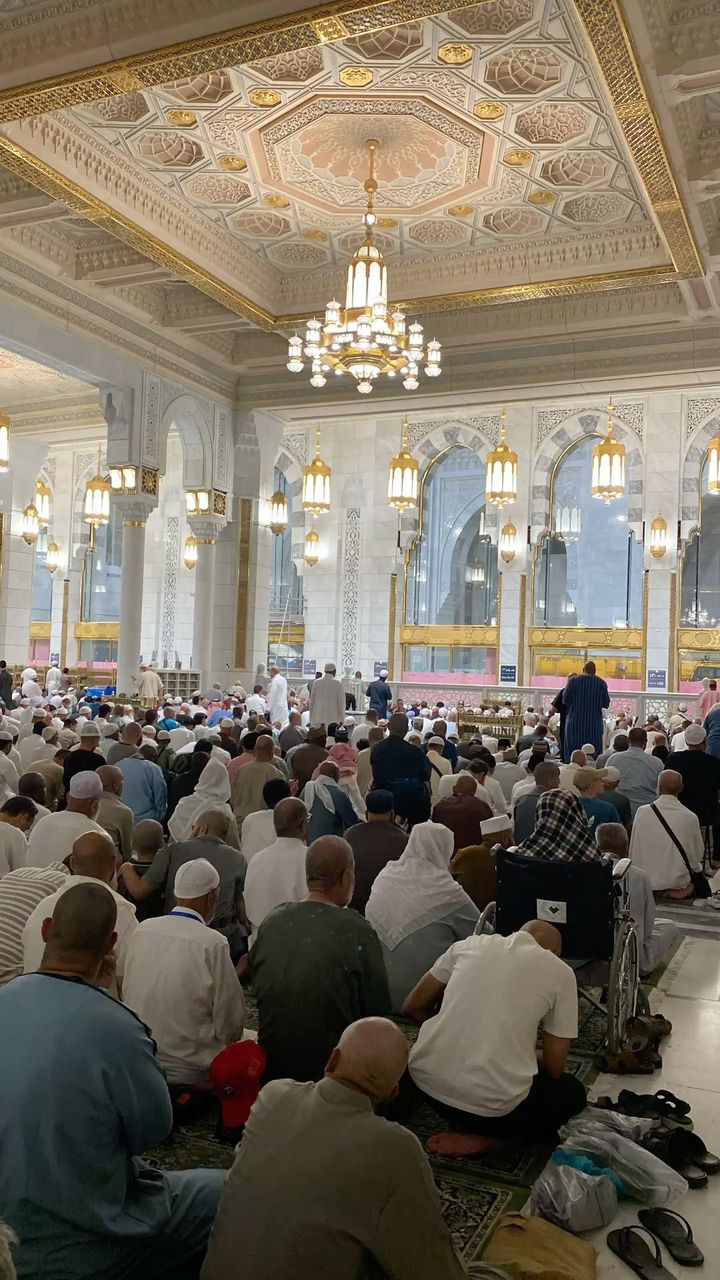
Every Friday, Muslims gather in their local mosques to answer the call of Allah. It is a day unlike any other a day of worship, reflection, forgiveness, and renewal. While many Muslims understand the importance of Jumu’ah, few take the time to reflect on how the Companions of the Prophet Muhammad (SAW) approached this blessed day.
The Companions were the best generation of Muslims. They learned directly from the Prophet (SAW), witnessed the revelation of the Qur’an, and implemented Islam in every aspect of their lives. Their attitude towards Jumu’ah provides valuable lessons for Muslims seeking to strengthen their faith today.
The Friday prayer was not merely a weekly obligation to them. It was a spiritual gathering they eagerly anticipated. It was an opportunity to reconnect with Allah, learn from the reminders delivered in the khutbah, and strengthen the bonds of brotherhood within the Muslim community.
One of the greatest lessons from the Companions is their eagerness to answer the call of Allah. When the adhan for Jumu’ah was announced, worldly affairs immediately became secondary. Trade, business, farming, and personal matters were set aside.
Allah says:
“O you who have believed, when the call is proclaimed for the prayer on the day of Jumu’ah, then proceed to the remembrance of Allah and leave trade. That is better for you, if only you knew.” (Qur’an 62:9)
The Companions embodied this command perfectly. Their businesses could wait. Their customers could wait. Their worldly concerns could wait. The remembrance of Allah came first.
This is a powerful reminder in today’s world where many people struggle to disconnect from work, phones, social media, and daily responsibilities. The Companions understood that success is not found in chasing the dunya at the expense of worship. Real success lies in responding to Allah’s call without hesitation.
Another lesson is their preparation for Jumu’ah. The Companions took Friday seriously long before they arrived at the mosque. They would perform ghusl, wear clean clothes, apply perfume when available, and ensure they presented themselves in the best manner.
The Prophet (SAW) encouraged these practices, and the Companions followed them diligently. They understood that Jumu’ah was a weekly celebration for the believers and that appearing before Allah’s congregation deserved special preparation.
Today, many Muslims rush into the mosque moments before the prayer begins, sometimes distracted and unprepared. The example of the Companions teaches us to approach Jumu’ah with dignity, cleanliness, and reverence.
The Companions also valued punctuality. They did not treat Jumu’ah as an event to attend at the last minute. Rather, they competed in arriving early.
The Prophet (SAW) taught that those who arrive earliest for Jumu’ah receive greater rewards. The Companions understood this and made considerable efforts to be among the first attendees.
Their early arrival allowed them to engage in voluntary prayers, recitation of the Qur’an, remembrance of Allah, and personal supplications before the khutbah began.
In contrast, many Muslims today enter the mosque after the imam has already started speaking. While they may still fulfill the obligation, they miss tremendous opportunities for reward and spiritual growth.
A further lesson from the Companions is their attentiveness during the khutbah. They listened carefully and respectfully. They did not engage in side conversations or distractions.
The khutbah was a source of guidance, education, and spiritual development. Every word mattered because it reminded them of Allah, the Hereafter, and their responsibilities as believers.
The Prophet (SAW) warned against speaking during the khutbah, and the Companions adhered strictly to this instruction. Their focus demonstrates the importance of respecting the sacred nature of the Friday sermon.
The Companions also viewed Jumu’ah as a day of learning. Every sermon offered lessons that could transform lives. They did not attend merely out of habit. They attended with open hearts and minds, eager to benefit from reminders.
This attitude is particularly important today. In an age of constant information, genuine spiritual reminders can easily be overlooked. The khutbah remains one of the most effective means of renewing faith and correcting one’s course.
Another beautiful lesson is their concern for the Muslim community. Jumu’ah brought believers together regardless of social status, wealth, ethnicity, or occupation.
The wealthy stood beside the poor. Leaders stood beside ordinary citizens. Everyone faced the same qiblah and worshipped the same Lord.
The Companions understood that Islam creates unity. Jumu’ah was not only a prayer gathering but also a weekly demonstration of brotherhood and equality.
This lesson is desperately needed in a time when divisions and conflicts often weaken Muslim communities. Friday reminds believers that their shared faith is greater than their differences.
The Companions also made abundant du’a on Fridays. They were aware that there is a special hour during which supplications are accepted by Allah.
Because of this, they increased their remembrance, repentance, and requests for Allah’s mercy. They used Friday as an opportunity to seek forgiveness for their shortcomings and ask Allah for goodness in this world and the next.
Many Muslims today focus only on attending the prayer itself and forget the immense spiritual opportunities that exist throughout the day. The example of the Companions encourages believers to fill Friday with du’a, dhikr, Qur’an recitation, and reflection.
The Companions were also known for their love of sending blessings upon the Prophet (SAW). Friday was a special occasion for increasing salawat.
The Prophet (SAW) said that among the best of days is Friday, so believers should send abundant blessings upon him on that day.
The Companions embraced this teaching wholeheartedly. Their love for the Messenger of Allah (SAW) was evident in their actions, words, and devotion.
Perhaps the greatest lesson from the Companions is that they never viewed Jumu’ah as an isolated act of worship. Instead, they allowed the lessons of Friday to influence the rest of their week.
The reminders they heard shaped their conduct. The advice they received affected their decisions. The spiritual energy they gained carried them through the days ahead.
For them, Jumu’ah was not the end of worship; it was the beginning of a renewed commitment to Allah.
As Muslims gather each Friday, reflecting on the example of the Companions can transform the experience from a routine obligation into a powerful source of guidance and renewal. Their dedication, preparation, humility, attentiveness, and eagerness for reward offer timeless lessons for every generation.
May Allah allow us to honour Jumu’ah as the Companions honoured it, to benefit from its blessings, and to make it a means of drawing closer to Him. Ameen.
