


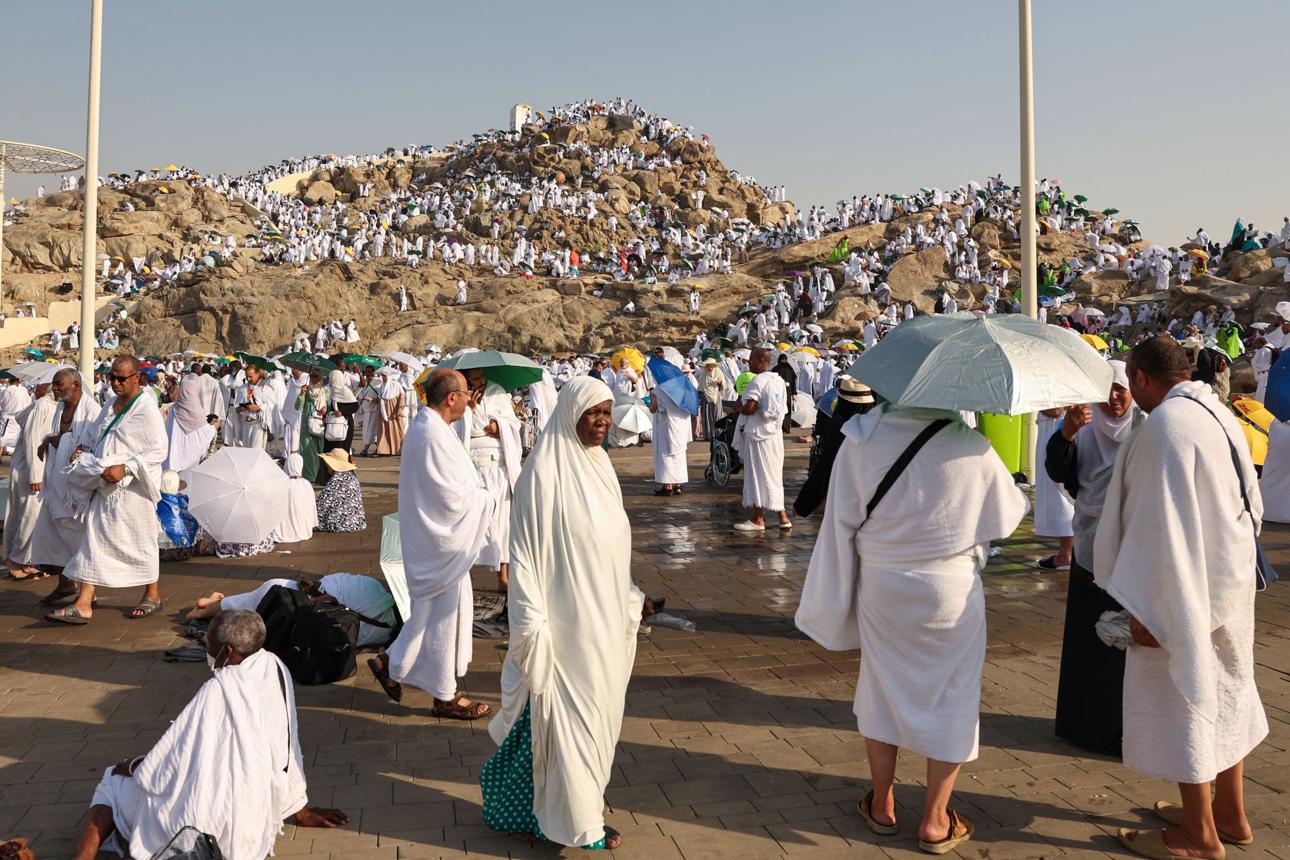
The Day of Arafah is one of the greatest days in Islam. It falls on the 9th day of Dhul Hijjah, the day when millions of pilgrims stand on the plain of Mount Arafat in complete humility before Allah. For pilgrims, standing at Arafah is the central pillar of Hajj. The Prophet ﷺ said that “Hajj is Arafah,” emphasizing its immense significance.
But while pilgrims gather in Arafah, Muslims across the world are also given a tremendous opportunity to gain Allah’s mercy and rewards from wherever they are.
The Day of Arafah is not just another date on the Islamic calendar. It is a day filled with forgiveness, answered prayers, mercy and liberation from the Hellfire. Allah opens doors of blessings that many people may not witness on ordinary days.
One of the greatest moments associated with this day was when Allah completed the religion for the Ummah. Allah says in the Qur’an:
“Today I have perfected for you your religion and completed My favor upon you and have approved for you Islam as religion.” (Surah Al-Ma’idah 5:3)
This verse was revealed on the Day of Arafah during the Prophet’s Farewell Pilgrimage. Imagine the honor attached to a day chosen for such a monumental event in Islamic history.
For pilgrims in Arafah, the day is spent in worship, repentance and du’a. They raise their hands to Allah, seeking forgiveness and asking for His mercy. It is a scene of complete submission: rich and poor, leaders and ordinary people, all standing in the same garments and calling upon the same Lord.
For Muslims who are not performing Hajj, one of the greatest acts of worship on this day is fasting.
The Prophet ﷺ said:
“Fasting on the Day of Arafah expiates the sins of the previous year and the coming year.”
This is an extraordinary gift from Allah. Through a single day of sincere fasting, a believer may have minor sins forgiven from two years one year behind and one year ahead.
However, scholars mention that this fasting recommendation applies to those who are not performing Hajj. Pilgrims at Arafah are generally encouraged to focus on strength for worship and supplication rather than fasting.
Another important aspect of the Day of Arafah is du’a. The Prophet ﷺ said:
“The best supplication is the supplication of the Day of Arafah.”
This teaches us that the day is not only for fasting but also for turning to Allah with sincere hearts. It is a day to ask for forgiveness, guidance, provision, ease in difficulties and success in this life and the next.
Some things Muslims can do on the Day of Arafah include:
* Fast if not performing Hajj
* Increase du’a
* Seek forgiveness frequently
* Read and reflect upon the Qur’an
* Increase dhikr and remembrance of Allah
* Send salutations upon the Prophet ﷺ
* Make du’a for family, the Ummah and personal needs
* Increase good deeds and charity
Many people prepare lists of du’as before the day begins so they do not forget important things they wish to ask Allah. Among the greatest things to ask for are sincerity, steadfastness, righteous children, beneficial knowledge, halal provision and Jannah.
The Day of Arafah also reminds us of a powerful reality: one day every human being will stand before Allah just as pilgrims stand at Arafah. The gathering of Hajj resembles the gathering on the Day of Judgment where every soul will stand and account for its deeds.
Tomorrow is therefore not a day to pass casually. It is a day to maximize worship and seek Allah’s mercy. Opportunities like this do not come every day, and none of us knows whether we will witness another Day of Arafah again.
May Allah accept the worship of the pilgrims, forgive our sins, answer our supplications and allow us to witness many more blessed days in goodness and faith. Ameen.
