


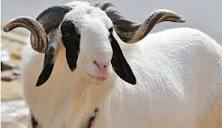
Every year, as Eid al-Adha approaches, Muslims around the world begin preparing for Ileya. Animals are purchased, families make plans, and communities prepare for one of the biggest celebrations in the Islamic calendar. For many people, Eid al-Adha immediately brings to mind the sacrifice of a ram and the sharing of meat among relatives, neighbors, and those in need.
While these are important parts of the occasion, the meaning of sacrifice in Islam goes much deeper than the act itself.
Eid al-Adha is built upon one of the most powerful stories of faith and obedience. It reminds Muslims of the remarkable test given to Prophet Ibrahim. After years of waiting for a child, Ibrahim (AS) was blessed with his son, Prophet Ismail. Then came a difficult command from Allah.
This was not an ordinary test.
It was a test involving love, trust, and complete submission.
Ibrahim (AS) could have questioned the command. He could have delayed it. He could have allowed emotions to overcome obedience. Instead, he submitted to Allah completely.
What makes the story even more remarkable is the response of Ismail (AS). He did not react with rebellion or anger. He showed trust in Allah and patience in the face of difficulty.
At the end of the test, Allah replaced Ismail with a sacrifice and demonstrated that the purpose was never about taking a life. The purpose was to reveal the depth of faith and obedience.
That lesson remains relevant today.
Many people think sacrifice only means giving up something valuable once a year during Eid. But every Muslim faces different forms of sacrifice throughout life.
Sometimes sacrifice means waking up for Fajr when sleep feels easier.
Sometimes sacrifice means leaving a sinful habit even when the temptation is strong.
Sometimes sacrifice means choosing honesty when dishonesty appears more profitable.
Sometimes sacrifice means lowering one’s ego during disagreements and repairing relationships.
Sometimes sacrifice means giving charity while personally facing financial challenges.
Sometimes sacrifice means placing obedience to Allah above personal desires.
These sacrifices may not involve animals, but they are still real sacrifices.
One of the dangers of modern celebrations is focusing heavily on the outward parts of Eid while overlooking the inner lessons. People may become occupied with clothing, food, social gatherings, and entertainment, while forgetting the spiritual message behind the season.
Allah does not need the meat of the sacrificed animal, nor does He need its blood. What matters is sincerity and taqwa.
This means two people can perform the same act outwardly while receiving completely different rewards based on what exists within their hearts.
As Ileya approaches, every Muslim should ask a personal question:
What am I willing to sacrifice for the sake of Allah?
For one person, it may be pride.
For another, it may be bad company.
For another, it may be a harmful habit.
For another, it may be negligence in worship.
The answer may differ, but the principle remains the same.
Eid al-Adha teaches us that true sacrifice is not measured by the size of an animal or the amount of money spent. It is measured by sincerity, obedience, and willingness to put Allah before everything else.
May Allah accept our acts of worship, strengthen our faith, and make us among those who understand and live by the true lessons of sacrifice.
