


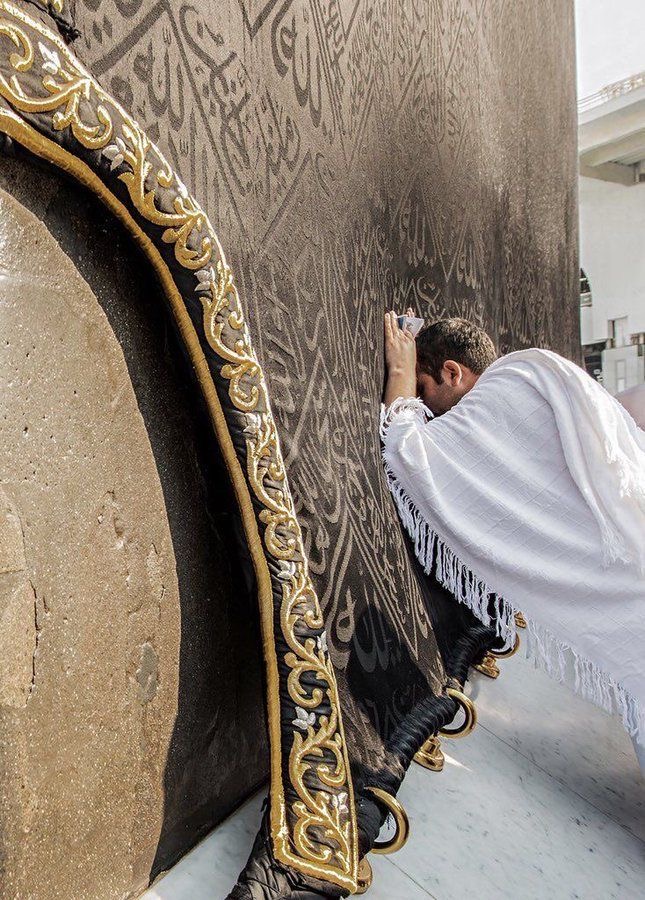
Every year, millions of Muslims travel to Makkah with the hope of performing Hajj or Umrah and standing before the Kaaba. For many, it is a journey they planned for years. Some save money for a long time, some make continuous dua for the opportunity, and others wait patiently until Allah opens the door for them.
However, there is an important reality that pilgrims should think about: not everyone who visits Makkah truly experiences Makkah.
Two people can travel on the same journey, stay in the same hotel, pray in the same mosque, perform the same rituals, and return with completely different outcomes.
One may return with memories.
Another may return with transformation.
One may remember the buildings, crowds, and photographs.
Another may remember the lessons, the worship, and the change within the heart.
The difference often lies in how a person approaches the journey.
VISITING MAKKAH IS PHYSICAL, EXPERIENCING MAKKAH IS SPIRITUAL
Anyone can physically arrive in Makkah.
A person can board a flight, complete the journey, enter Masjid al-Haram, and perform the required actions.
But experiencing Makkah involves something deeper.
It means allowing the surroundings, the worship, and the moments to affect the heart.
Many people move from place to place while remaining mentally occupied with everyday distractions.
Their body enters Makkah, but their attention remains somewhere else.
They continue thinking about business matters, social media, messages, problems back home, or things unrelated to the purpose of the journey.
Experiencing Makkah requires presence.
It requires awareness.
It requires intention.
SOME PEOPLE SEE THE KAABA, OTHERS REFLECT ON IT
Millions of eyes look at the Kaaba every year.
But people do not always see it in the same way.
Some look at it briefly and continue moving.
Others pause and reflect.
They think about the generations of believers who faced this direction in prayer.
They think about Prophet Ibrahim and the history connected to the Sacred House.
They think about the blessing of standing in a place they once only imagined.
Reflection transforms a sight into an experience.
WITHOUT REFLECTION, RITUALS CAN BECOME ROUTINE
Tawaf can become seven circles of walking.
Sa’i can become movement between two points.
Prayer can become repeated actions.
But understanding and reflection change these acts.
Tawaf becomes a reminder that Allah should remain the center of life.
Sa’i becomes a lesson about trust and effort.
Prayer becomes a moment of connection.
When reflection disappears, people may complete actions physically while missing deeper lessons.
DISTRACTIONS CAN REDUCE THE EXPERIENCE
Modern distractions can quietly affect pilgrimage.
Many pilgrims unintentionally lose valuable moments through:
* excessive phone use
* constant photos and recordings
* unnecessary conversations
* shopping beyond necessity
* comparing experiences with others
These things may appear small, but they can gradually shift focus away from worship.
Capturing memories is understandable.
However, constantly trying to record every moment can prevent a person from fully living the moment itself.
Not every experience needs to be shared immediately.
Some moments become more meaningful when they remain personal.
EXPERIENCING MAKKAH MEANS LETTING IT CHANGE YOU
The greatest sign that someone truly experienced Makkah is not the number of photos they took or stories they collected.
The greatest sign is change.
A person who truly experiences Makkah may return:
* more consistent in prayer
* more grateful
* more patient
* more aware of Allah
* more careful with sins
* more focused on improving character
Sacred places should leave lasting effects.
If a journey changes behavior and strengthens faith, then the experience continues even after returning home.
FINAL THOUGHTS
Visiting Makkah and experiencing Makkah are not always the same thing.
Many people reach the Sacred City physically, but the most successful pilgrims are those who allow the journey to reach their hearts.
Because at the end of the journey, people may forget certain details of flights, hotels, or schedules.
But they rarely forget the moments that changed them.
