


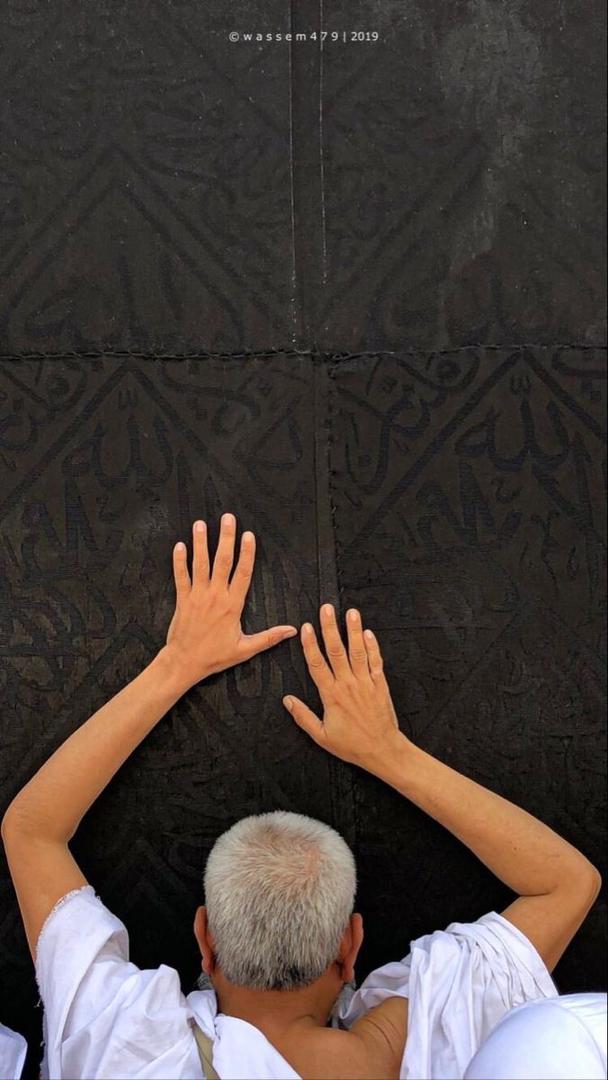
One of the most common scenes in Masjid al-Haram is seeing pilgrims become emotional when they first look at the Kaaba. Some begin crying immediately. Some stand silently with tears in their eyes. Others become overwhelmed and struggle to explain what they feel.
For first-time pilgrims, this often raises a question: Why does this happen?
Not every pilgrim reacts in the same way, but there are several reasons why the moment affects people so deeply.
YEARS OF LONGING FINALLY BECOME REALITY
For many Muslims, the desire to visit Makkah begins long before the journey itself.
Some grow up hearing stories about Hajj and Umrah from parents and grandparents. Some spend years watching pilgrims on television and imagining what it would feel like to stand before the Kaaba. Others make dua repeatedly in prayer, asking Allah to grant them the opportunity.
For many people, this longing continues for years or even decades.
When they finally stand in Masjid al-Haram and see the Kaaba in front of them, the reality of the moment suddenly arrives.
What was once a dream becomes something their eyes can actually see.
The emotional response can be natural and powerful.
THE HOUSE THEY FACED THEIR ENTIRE LIFE IS NOW BEFORE THEM
Muslims face the Kaaba every day during prayer.
Five times a day, believers turn toward the same direction regardless of where they live in the world.
For years, many people pray while imagining the Kaaba without ever seeing it physically.
Then suddenly they are standing in front of it.
This creates a unique experience.
The place they spent their entire lives facing in salah is no longer distant or imagined.
It is directly before them.
Many people find that realization difficult to process emotionally.
SOME ARRIVE CARRYING YEARS OF BURDENS
Not all tears are caused by happiness alone.
Many pilgrims arrive carrying personal struggles.
Some come with worries about family.
Some come with financial difficulties.
Some come with health concerns.
Others arrive carrying guilt over past mistakes or sins.
Pilgrimage often creates space for emotions that people may have buried for a long time.
Standing before the Kaaba can make a person feel close to Allah in a way they have not experienced before.
The result is sometimes tears of relief, repentance, gratitude, or hope.
THE ENVIRONMENT ITSELF AFFECTS THE HEART
Masjid al-Haram creates an atmosphere that many people are not accustomed to in daily life.
Pilgrims hear the adhan repeatedly.
They see thousands of people praying.
They hear Qur’an being recited.
They witness people making dua sincerely.
This environment can soften the heart.
People who normally feel distracted by daily responsibilities suddenly find themselves focused on worship and reflection.
That change itself can create a strong emotional reaction.
NOT EVERY PILGRIM CRIES
It is important to understand that crying is not a measure of faith or acceptance.
Some people cry immediately.
Others remain calm and reflective.
Some feel deep emotions internally without showing them outwardly.
Spiritual experiences vary from person to person.
No pilgrim should compare their reaction with someone else’s.
The important thing is sincerity.
WHAT MATTERS MOST IS WHAT HAPPENS AFTER THE TEARS
Crying itself is not the final goal.
The real question is whether the experience changes the heart.
Does the pilgrim return with stronger worship?
Does the pilgrim become more grateful?
Does the pilgrim leave behind harmful habits?
Does the pilgrim improve their relationship with Allah?
These are the changes that truly matter.
FINAL THOUGHTS
Many pilgrims cry when they see the Kaaba because the moment combines years of longing, gratitude, reflection, and hope.
For some, it becomes one of the most emotional moments of their lives.
Whether tears appear or not, every pilgrim should remember that the real purpose is not emotional display.
The real purpose is allowing the experience to bring the heart closer to Allah and returning home better than when you arrived.
