


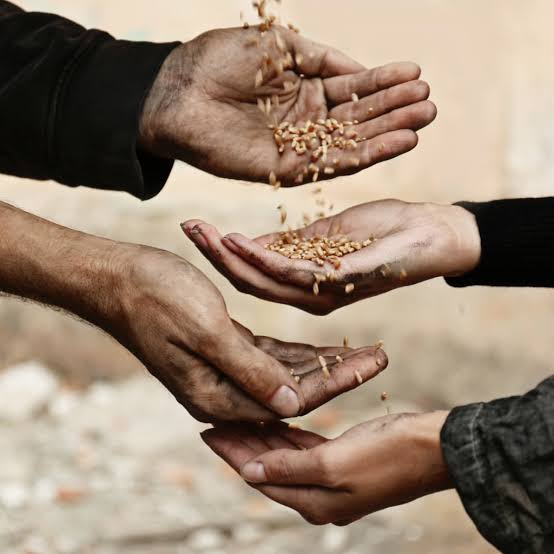
Ramadan is not only a season of fasting and night prayers. It is a month where faith must become visible. The true measure of iman is not found only in long recitations or extended qiyam, but in how we speak, how we respond, and how we treat people when we are tested.
Islam does not separate worship from character. Our relationship with Allah is reflected in our relationships with His creation.
The Messenger of Allah ﷺ said:
“The most complete of the believers in faith are those with the best character.” (Reported in Sunan al-Tirmidhi)
This hadith establishes a powerful reality: the strength of faith is directly connected to conduct. A person may fast and pray, but if their tongue is harsh and their behavior unjust, their faith is incomplete.
Ramadan as a Training Ground for Character
Fasting is not merely abstaining from food and drink. It is restraint. It is discipline. It is self-control.
The Prophet ﷺ said:
“Fasting is a shield…” (Reported in Sahih al-Bukhari)
A shield from what? From anger, vulgarity, arguments, and sinful reactions. He further instructed that if someone provokes a fasting person, they should respond by saying, “I am fasting.” This response is not weakness. It is strength. It is emotional intelligence rooted in taqwa.
Ramadan trains us to control hunger. But greater than that, it trains us to control the ego.
Faith at Home
The true test of good character is not in public gatherings or social media posts. It is at home.
How do we speak to our spouses when we are tired?
How do we respond to our children when they make mistakes?
How do we treat our parents when we disagree?
The Prophet ﷺ was described by Aisha (رضي الله عنها) as having the Qur’an as his character (reported in Sahih Muslim). Mercy, patience, justice, humility these were not abstract concepts for him. They were visible in his daily life.
Ramadan should soften the heart, not harden it.
If our worship increases but our harshness also increases, then we must pause and reassess.
Character in Business and Society
For those in business, leadership, or service roles, Ramadan is an opportunity to purify dealings.
Be transparent in transactions.
Fulfill contracts.
Avoid deception.
Pay workers fairly and on time.
Speak truth even when it is difficult.
Good character is da‘wah. Sometimes your honesty will preach louder than your words.
In communities, practice patience. Avoid unnecessary disputes. Reconcile between people when possible. Be the one who lowers tension, not the one who escalates it.
The Reward of Good Character
The Prophet ﷺ emphasized the immense weight of good character in the Hereafter. Acts of worship are multiplied in Ramadan — and so are deeds of kindness, patience, and forgiveness.
A smile can be charity.
A gentle word can heal a heart.
Forgiving someone can elevate your rank with Allah.
Ramadan is the ideal time to repair broken relationships. Call that relative. Apologize where necessary. Let go of grudges. Seeking Laylatul Qadr while holding resentment contradicts the spirit of the month.
Practical Steps for Ramadan 13
As we continue this blessed journey, choose one character trait to focus on intentionally:
Patience — especially before iftar.
Gentleness — especially in disagreement.
Gratitude — especially when things are not perfect.
Forgiveness — especially toward those who hurt you.
Humility — especially when you are right.
Make du‘a daily for Allah to beautify your character. Character refinement is not automatic; it requires conscious effort and sincere intention.
Conclusion
Ramadan is shaping us. The question is: into what?
Let our fasting produce humility.
Let our prayers produce compassion.
Let our Qur’an recitation produce sincerity.
When faith is strong, it flows naturally into our relationships. When iman is alive, people feel safe around us.
May Allah beautify our manners, purify our intentions, and make our Ramadan a transformation not only in worship but in character. Ameen.
