
BY: SHAYKH ABU NĀSIR (HAFIDHAHULLAH)
As Ramadan draws near, questions surrounding Zakah naturally increase. In response to the many enquiries received, Shaykh Abu Nāsir (hafidhahullah) dedicated today’s lesson to clarifying the rulings, seriousness, and correct distribution of Zakah a pillar of Islam that is often misunderstood and misapplied.
THE GRAVITY OF SINS AND THE STATUS OF ZAKAH
Sins are generally categorized into Al-Kabā’ir (major sins) and As-Sayy’āt (minor sins) often referred to as As-Saghā’ir. Although minor sins do not carry the same gravity as major sins, no sin should ever be belittled.
Among the major sins, the Prophet ﷺ warned against seven destructive acts, including shirk, sorcery, and disobedience to parents. These sins do not merely harm; they destroy those who engage in them.
From among the major sins is failing to pay Zakah. Some scholars even describe Zakah as the twin of Salah, due to how frequently Allah mentions them together in the Qur’an. Zakah is not optional generosity it is a divine obligation.
ZAKAH CAUSES WEALTH TO GROW
Allah makes it clear that wealth only truly increases through Zakah:
“That which you give as a gift, seeking increase from people’s wealth, does not increase with Allah. But that which you give as Zakah, seeking the Countenance of Allah those are the ones whose wealth will be multiplied.”
(Surah Ar-Rum 30:39)
Gifts exchanged for expectation of return have no reward with Allah. Zakah, however, is divinely multiplied.
Allah also issues a severe warning to those who hoard wealth without paying Zakah:
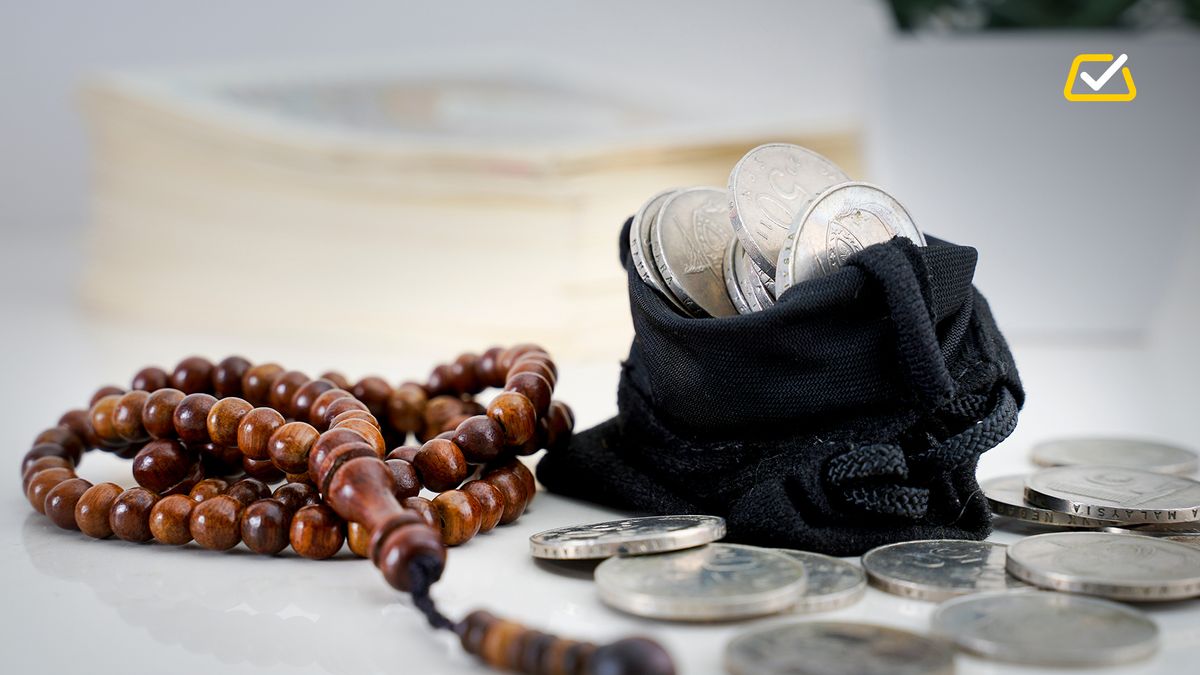
“…Those who hoard gold and silver and do not spend it in the Way of Allah announce to them a painful punishment…”
(Surah At-Tawbah 9:34–35)
ZAKAH IS NOT SADAQAH
It is incorrect to casually refer to Zakah as “charity.” Sadaqah is voluntary and flexible. Zakah is compulsory and regulated.
Zakah:
-
Has specific types of wealth it is taken from
-
Requires a minimum threshold (Nisab)
-
Has a fixed rate
-
Must be given after a specific period
-
Can only be given to specific categories of people
Your house, personal car, clothing, or personal items are not zakatable assets. You may give them as Sadaqah, but Zakah is strictly regulated by Allah.
Even wealth owned by an orphan is zakatable if it reaches the Nisab. Zakah is obligatory on the wealth, not on the person’s age or condition.
ZAKAH IS NOT YOUR PERSONAL MONEY TO DISPOSE FREELY
Zakah is not subject to personal preference. Just as Salah must be performed according to divine instruction, Zakah must be distributed exactly as Allah legislated.
Using Zakah money to:
-
Paint mosques
-
Organize Ramadan ifṭār
-
Fund scholarships
-
Run foundations indiscriminately
is invalid. Scholars have stated that Zakah wrongly given must be paid again.
WHO ARE THE LEGITIMATE BENEFICIARIES OF ZAKAH?
Allah clearly defines the recipients:
“Zakah is only for the poor, the needy, those employed to collect it, those whose hearts are to be reconciled, freeing captives, those in debt, for the cause of Allah, and the stranded traveler…”
(Surah At-Tawbah 9:60)
These are eight categories—no more, no less.
Allah emphasizes this ruling using:
-
“Innamā” (restriction)
-
Clear specification of recipients
-
Declaring it a legislated obligation
-
Ending the verse with Al-‘Alīm, Al-Hakīm
This is not a place for personal “wisdom” or innovation.
CLARIFICATION OF THE EIGHT CATEGORIES (SUMMARY)
1. Fuqarā’ (The Destitute):
Those with nothing no home, no sufficient clothing, no stable income.
2. Masākīn (The Needy):
Those who have something but not enough to sustain themselves and their families.
They are not to be given plates of food, but sufficient provision for an entire year, including:
-
Food
-
Clothing
-
Rent
-
Healthcare
-
Marriage support
-
Business tools for self-reliance
3. Zakah Administrators:
Only those officially appointed and unpaid may take from Zakah. Private foundations must pay their staff separately.
4. Those Whose Hearts Are to Be Reconciled:
New Muslims or influential figures whose acceptance benefits the Ummah.
5. Freeing Captives (Riqāb):
Includes freeing slaves or captives through legitimate means.
6. Debtors (Ghārimīn):
Those who incurred debt out of necessity not luxury or exploitation.
7. Fee Sabīlillāh:
Includes:
-
Legitimate jihad under Islamic authority
-
Sponsoring obligatory Hajj
-
Supporting scholars devoted full-time to preserving the Deen
It does not include building mosques, schools, bridges, or funding general projects.
8. Stranded Travelers:
Even wealthy individuals who are temporarily cut off from resources.
A FINAL ADMONITION
Zakah is the right of the poor, not a favor from the rich. Those who distribute it must fear Allah, verify recipients properly, and avoid misusing funds.
Ramadan flyers calling for Zakah without knowledge are dangerous. If people cannot hold you accountable, Allah will.
This Deen is a religion of knowledge. Let us return to the foundations, correct our practices, and honor the trust Allah placed in our wealth.
May Allah grant us understanding, sincerity, and acceptance. Āmīn.
