


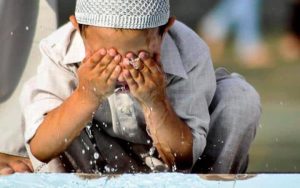
Cleanliness is not just a habit in Islam it is part of faith. When children learn this early, they grow up with a beautiful sense of responsibility, dignity, and respect for the blessings Allah has given them. Teaching them hygiene becomes more than just reminding them to wash their hands; it becomes a way of nurturing their iman.
Islamic cleanliness is both inward and outward. It shapes how a child appears, behaves, and even how they think about the world around them.
Cleanliness as Part of Faith
The Prophet ﷺ said, “Cleanliness is half of faith.” This simple statement is a powerful foundation to teach children. When they realise that staying clean earns Allah’s pleasure, hygiene becomes something they feel proud of rather than something they are forced to do.
Teaching Wudu: Their First Step Toward Worship
Learning wudu teaches a child much more than washing limbs. It teaches:
• Discipline
• Preparation
• Respect for prayer
• A sense of purity before meeting Allah
Children often enjoy copying adults, so letting them join in during wudu time creates routine and excitement. Gradually, it becomes part of their daily rhythm.
Keeping the Body Clean
Islam encourages basic hygiene in a very natural way for children. Simple habits include:
• Regular bathing
• Brushing teeth or using miswak
• Combing their hair
• Using clean clothes
• Keeping fingernails trimmed
When parents link these habits to prophetic teachings, children begin to see cleanliness as a sunnah they want to follow.
Teaching Bathroom Etiquette
Islamic manners in the bathroom help children understand modesty and gratitude. These include:
• Entering with the left foot
• Saying the appropriate dua
• Keeping the toilet area clean
• Using water properly
• Leaving with the right foot and saying the exiting dua
Small routines practiced consistently soon become second nature.
Looking After Their Environment
Children should learn that Islam encourages them to keep not only themselves clean, but also their surroundings. Teach them:
• Not to litter
• To tidy their toys
• To keep their room neat
• To respect shared spaces at school or the masjid
These habits create a sense of responsibility toward the community and the earth.
Why Teaching Cleanliness Matters
Cleanliness builds confidence, self-respect, and spiritual awareness. It teaches children that Islam shapes every part of their lives even how they take care of their bodies and their homes. Children who grow up with these values often become adults who respect others, protect their health, and approach worship with sincerity.
Making Learning Fun
Children learn best through joy. Turn cleanliness into a positive experience:
• Make wudu charts
• Reward good hygiene habits
• Tell stories from the seerah about cleanliness
• Demonstrate sunnahs together as a family
When learning feels like love, not pressure, the lessons last a lifetime.
A Foundation for Life
By teaching children Islamic hygiene practices early, we are giving them a lifelong gift. Cleanliness becomes part of their identity as young Muslims something they carry into adulthood with pride.
May Allah help us raise children who are pure in heart, pure in actions, and always eager to follow the path of the Prophet ﷺ.
