

The conversation around hair dye in Islam isn’t about colour alone; it’s about honesty, wisdom, and protecting the heart from illusions. Pure black dye has a unique ruling in the tradition, and understanding why gives a beautiful glimpse into the way Islam shapes character.
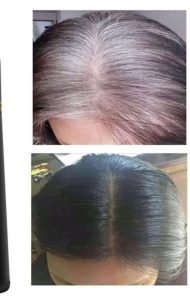
Dyeing the hair itself is allowed. The Prophet ﷺ even encouraged companions to use colour to cover grey hair, especially colours like henna or other tones that didn’t create an artificial look of youthful black. The issue arises only with jet-black dye, and it’s tied to two major principles.
The first is that Islam teaches us to be truthful in our appearance. Pure black dye gives the impression of youth, strength, and vitality traits that may no longer be accurate as one ages. Throughout the prophetic traditions, truthful representation is a subtle but important moral principle. Pretending to be something we are not, even externally, can plant the seeds of pride, deception, and misplaced confidence. The prohibition aims to guard a person’s humility and honesty, especially in matters where appearance influences other people’s expectations.
The second reason comes from the world of marriage and social dealings. Classical scholars explain that black dye in the context of seeking marriage could mislead someone into believing a person is younger than they are. Islamic law is sensitive to anything that can cause harm, manipulation, or unfair advantage especially in matters of the heart. So the ruling isn’t merely about colour; it’s about preventing deception.
This does not mean Islam wants everyone to look old or defeated. Far from it. Grooming, beauty, and looking presentable are all emphasised. But the faith protects the believer from falling into the trap of using appearance as a tool of illusion.
Scholars also mention an important exception: military contexts, where the use of black dye was permitted for psychological strength or appearance of readiness. This shows that the ruling is not rigid; it is purposeful. Where there is no deception, the colour isn’t a moral issue. Where deception could occur, the colour becomes problematic.
In a world obsessed with youth and outward image, this ruling becomes a subtle reminder. The believer’s dignity doesn’t depend on appearing young. Strength comes from sincerity, character, and a heart connected to Allah. As grey hairs appear, they are marks of experience, signs of mercy, and tokens of a journey lived.
The Islamic stance on dyeing hair pure black is less about restriction and more about protecting the heart from vanity, others from being misled, and the community from subtle forms of dishonesty. It’s a reminder that true beauty is not painted on it’s cultivated within.
