


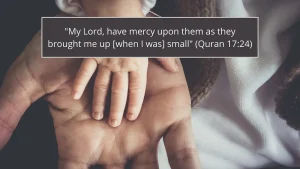
In a world that often measures worth by strength, status, or success, Islam reminds us that true greatness lies in compassion and respect. The Prophet Muhammad ﷺ built a community rooted in mutual love one where mercy was shown to the young and respect was given to the old. These values form the very foundation of a righteous and compassionate society.
A COMMUNITY BUILT ON COMPASSION
The Messenger of Allah ﷺ said:
“He is not one of us who does not show mercy to our young ones and respect to our elders.”
(Tirmidhi)
This profound hadith outlines two pillars of Islamic social ethics mercy and respect. The first strengthens the heart, and the second upholds dignity. When either is missing, society begins to lose its humanity.
Mercy (rahmah) is not weakness; it is the reflection of divine character. Allah is Ar-Rahman, The Most Merciful and He loves those who embody mercy in their interactions. The Prophet ﷺ was described by Allah Himself as:
“And We have not sent you, [O Muhammad], except as a mercy to the worlds.”
(Surah Al-Anbiya 21:107)
To show mercy to others especially the young and vulnerable is to follow the very example of the Prophet ﷺ.
MERCY TO THE YOUNG: NURTURING THE NEXT GENERATION
Children are not only a trust (amanah) but a reflection of our future. The Prophet ﷺ was known for his tenderness toward children — kissing them, playing with them, and showing affection in public, even when others found it strange.
Once, a man saw the Prophet ﷺ kiss his grandsons, Hasan and Husayn رضي الله عنهما, and said, “I have ten children and I have never kissed any of them.” The Prophet ﷺ replied:
“He who does not show mercy will not be shown mercy.”
(Bukhari and Muslim)
His compassion taught us that emotional care is as vital as physical provision. Children raised with mercy grow into adults who show mercy to others. They learn love, patience, and empathy qualities that strengthen families and communities.
Being merciful to the young also means guiding them correcting their mistakes gently, praying for them, and teaching them Islam with kindness, not harshness. The Prophet ﷺ led by love, not fear. His softness drew people to faith; his mercy built generations of believers.
RESPECT TO THE OLD: HONORING EXPERIENCE AND WISDOM
Respect (ikram) for elders is not merely a cultural tradition; it is a command rooted in Islam. Allah ﷻ says:
“And your Lord has decreed that you worship none but Him, and that you show kindness to parents.”
(Surah Al-Isra 17:23)
The elderly deserve honor because they have lived through years of service, struggle, and experience. Their gray hair is a badge of honor in the sight of Allah. The Prophet ﷺ said:
“Part of glorifying Allah is honoring the gray-haired Muslim, the one who carries the Qur’an (by memorization), and the just ruler.”
(Abu Dawood)
Respecting the old means listening to them, caring for them, and valuing their advice even when their pace slows or their memory fades. In a world that often discards the elderly, Islam reminds us that they are treasures of wisdom and a means to gain Allah’s pleasure.
When you help an elderly person walk, when you speak gently to them, or when you visit them in illness you are performing an act of worship. These small gestures carry immense spiritual weight.
BUILDING A BALANCED SOCIETY
A society that honors its elders and nurtures its young is one that stays alive and balanced. The young bring energy, creativity, and strength; the old bring wisdom, patience, and guidance. Together, they form a complete community one generation carrying another, united in faith and love.
The Prophet ﷺ built such a community one where the youth were empowered, not silenced, and the elders were respected, not forgotten. His leadership was a model of harmony between generations.
REVIVING THE PROPHETIC STANDARD TODAY
In today’s fast-paced, individualistic world, mercy and respect are fading values. The young sometimes dismiss the wisdom of elders as outdated, while the old may grow impatient with the energy of the youth. This disconnect breeds misunderstanding.
But Islam calls us back to balance to see each generation as essential. The young should listen with humility, and the old should guide with compassion. Mercy must meet wisdom, and respect must meet understanding.
If every Muslim home and community revived this prophetic principle mercy to the young, respect to the old our families would become softer, our hearts kinder, and our ummah stronger.
