

WHAT ISLAM TEACHES ABOUT INHERITANCE AND WEALTH DISTRIBUTION: AN ISLAMIC GUIDE TO SHARING WEALTH FAIRLY

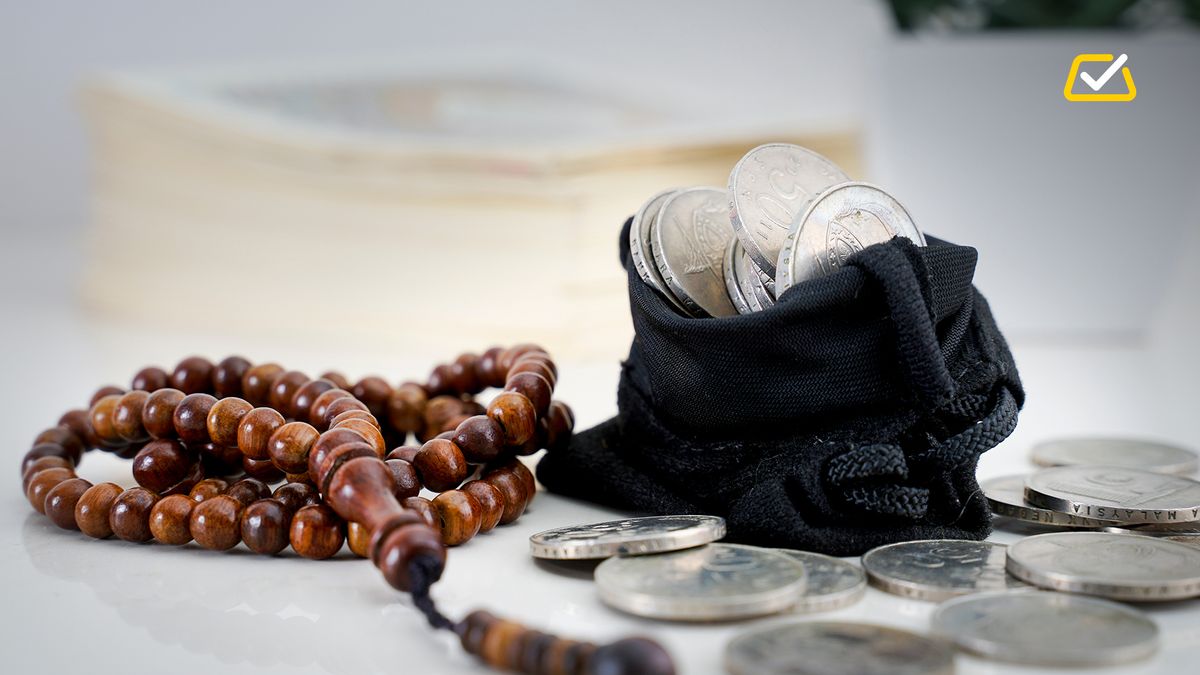
Inheritance and wealth distribution are important aspects of Islamic teachings. Islam provides clear guidelines on how a deceased person’s wealth should be distributed among eligible family members and rightful heirs. These guidelines are designed to promote justice, protect family rights, prevent unnecessary disputes, and ensure that wealth is distributed according to the commands of Allah.
In many families, inheritance can become a source of disagreement, bitterness, and division. Some relatives may claim more than their rightful share, while others, particularly women and younger family members, may be denied what Islam has granted them.
Islam addresses these issues by establishing specific inheritance rules that Muslims are expected to follow.
Unlike systems where a deceased person’s wealth may be distributed entirely according to personal wishes, Islamic inheritance law (Mirath or Fara’id) establishes fixed shares for certain heirs and rules for distributing the remaining estate.
Whether you are a parent, business owner, husband, wife, son, daughter, or family member, understanding Islamic inheritance is important.
In this article, we will explain what Islam teaches about inheritance, who is entitled to inherit, how wealth should be distributed, the rights of women and children, and common inheritance mistakes Muslims should avoid.
1. WHAT IS INHERITANCE IN ISLAM?
Inheritance in Islam refers to the transfer of a deceased person’s property, money, and other eligible assets to their rightful heirs according to Islamic law.
The Islamic system of inheritance is known as Ilm al-Fara’id, which deals with the prescribed shares of eligible heirs.
Allah has established these rules in the Qur’an, particularly in Surah An-Nisa (Chapter 4).
Allah says:
“For men is a share of what the parents and close relatives leave, and for women is a share of what the parents and close relatives leave, be it little or much – an obligatory share.” (Qur’an 4:7).
This verse establishes an important principle: both men and women have recognised inheritance rights.
Inheritance is not supposed to be distributed according to family pressure, personal preference, cultural traditions, or the wishes of powerful relatives. It must follow the principles established by Allah.
2. ALLAH HAS ESTABLISHED SPECIFIC SHARES FOR HEIRS
One of the most important lessons of Islamic inheritance is that the distribution of wealth is not left entirely to individual preferences.
Allah explains the inheritance shares of children, parents, spouses, and other relatives in Surah An-Nisa, particularly verses 11 and 12.
The main beneficiaries may include:
- Sons and daughters.
- Husbands and wives.
- Fathers and mothers.
- Certain siblings.
- Other eligible relatives, depending on the family circumstances.
The exact share of each person depends on which eligible heirs are alive at the time of death and the applicable rules of inheritance.
For example, a son and a daughter inheriting together generally receive shares in a ratio of two to one, respectively, subject to the full inheritance rules.
This does not mean that every man automatically receives twice the share of every woman. Different relatives have different prescribed shares depending on their relationship to the deceased and the presence of other heirs.
3. WHAT IS THE ISLAMIC INHERITANCE SHARE OF SONS AND DAUGHTERS?
Islam recognises the inheritance rights of both male and female children.
When a deceased person leaves behind sons and daughters, the general rule is that each son receives the share of two daughters.
Allah says in Surah An-Nisa (4:11):
“Allah instructs you concerning your children: for the male, what is equal to the share of two females.”
Example of inheritance distribution
Suppose a deceased father leaves behind:
- One son.
- One daughter.
- An inheritance estate of ₦9,000,000.
Under the general two-to-one rule:
- Son: ₦6,000,000.
- Daughter: ₦3,000,000.
This is a simplified illustration assuming these are the only eligible heirs and there are no prior estate obligations or other factors affecting the distribution.
It is important to understand that Islamic inheritance rules are based on a complete system of family rights and financial responsibilities. They should not be interpreted as a statement that women have less value or importance in Islam.
4. WHAT ARE THE INHERITANCE RIGHTS OF WOMEN IN ISLAM?
Islam granted women independent inheritance rights, including rights to receive and own wealth.
Before Islam, some societies denied women inheritance or treated them as part of inherited property. Islam established their right to receive an obligatory share.
Women who may inherit include:
- Daughters.
- Wives.
- Mothers.
- Sisters.
- Granddaughters in qualifying circumstances.
A woman has the right to receive her inheritance and manage her property independently.
Her husband, brother, father, or other relatives cannot simply take her inheritance without her free and valid consent.
For example, if a woman inherits money from her deceased father, that money belongs to her. She is not automatically required to give it to her husband or male relatives.
Islam also prohibits using intimidation, manipulation, or family pressure to prevent women from receiving their rightful inheritance.
5. HOW MUCH DOES A WIFE INHERIT FROM HER DECEASED HUSBAND?
Islam specifies the inheritance share of a wife based on whether her deceased husband left children or other qualifying descendants.
According to Surah An-Nisa (4:12):
- If the husband leaves no qualifying child or descendant, his wife or wives collectively receive one-quarter of the estate.
- If he leaves qualifying children or descendants, his wife or wives collectively receive one-eighth.
If a man leaves more than one wife, they share the prescribed portion collectively.
Example
A man dies leaving:
- A wife.
- Children.
- An eligible estate of ₦8,000,000.
The wife receives one-eighth:
₦8,000,000 × 1/8 = ₦1,000,000.
The remaining estate is distributed among the other eligible heirs according to Islamic inheritance rules.
This example assumes the estate has already been properly determined after relevant obligations and expenses.
6. HOW MUCH DO PARENTS INHERIT FROM THEIR CHILDREN?
Islam also establishes inheritance rights for the parents of a deceased person.
According to Surah An-Nisa (4:11):
- If the deceased leaves children, each parent generally receives one-sixth.
- If the deceased leaves no children and the parents are the relevant heirs, the mother generally receives one-third, with the father receiving the remainder.
- In certain circumstances involving siblings of the deceased, the mother’s share is reduced to one-sixth.
Other inheritance rules may affect these shares depending on the family structure.
This demonstrates that Islamic inheritance is a carefully organised system rather than a simple arrangement in which wealth is automatically given to children.
7. ISLAM REQUIRES DEBTS AND OTHER OBLIGATIONS TO BE SETTLED BEFORE INHERITANCE IS DISTRIBUTED
One of the most important Islamic inheritance principles is that the deceased person’s estate should not be distributed to heirs before the required obligations are addressed.
Before distributing inheritance, the estate must generally be used to cover:
- Reasonable funeral and burial expenses.
- Outstanding debts and financial obligations.
- Valid bequests (Wasiyyah), within Islamic limits.
- Distribution of the remaining estate among eligible heirs.
Allah mentions the distribution of inheritance after the fulfilment of bequests and debts in Surah An-Nisa (4:11–12).
Example
Suppose a man dies leaving an estate worth ₦15,000,000.
His obligations include:
- Funeral expenses: ₦500,000.
- Outstanding debts: ₦2,000,000.
- Valid bequest: ₦1,000,000.
The remaining estate is:
₦15,000,000 − ₦500,000 − ₦2,000,000 − ₦1,000,000 = ₦11,500,000.
The ₦11,500,000 is then distributed among the rightful heirs according to Islamic inheritance law.
The bequest is generally limited to one-third of the net estate after relevant obligations, and a bequest to an existing Qur’anic heir generally requires the consent of the other heirs after death. Details and exceptions should be checked with a qualified Islamic inheritance scholar.
8. CAN A MUSLIM GIVE AWAY ALL THEIR WEALTH BEFORE DEATH?
Islam allows Muslims to give gifts, donate to charity, and support their families during their lifetime.
However, a person should not use gifts or financial arrangements as a way to unfairly deprive rightful heirs of their inheritance.
A lifetime gift (Hibah) is different from an inheritance bequest (Wasiyyah).
A valid lifetime gift generally involves genuine transfer of ownership and possession according to the applicable rules.
Muslims should be particularly careful about transferring all their property to selected children while intentionally excluding others simply because of family disagreements or personal preferences.
The Prophet Muhammad (peace be upon him) instructed Muslims to be just when giving gifts to their children. This is reported in Sahih al-Bukhari and Sahih Muslim.
9. WHAT DOES ISLAM SAY ABOUT WRITING A WILL?
Writing a will is encouraged in Islam because it helps clarify a person’s obligations, debts, and permissible bequests.
The Prophet Muhammad (peace be upon him) taught that a Muslim who has something to bequeath should not allow two nights to pass without having their will written and kept with them. (Sahih al-Bukhari 2738).
A Muslim may use a will to:
- Record outstanding debts.
- Identify financial obligations.
- Make a valid charitable bequest.
- Clarify important matters concerning the estate.
- Document other permissible instructions.
However, a Muslim generally cannot use a will to freely change the Qur’anic inheritance shares.
A bequest to someone who is not already an entitled heir is generally limited to one-third of the net estate without the heirs’ consent.
10. IS IT HARAM TO DENY SOMEONE THEIR ISLAMIC INHERITANCE?
Yes. Deliberately preventing a rightful heir from receiving their inheritance is a serious injustice.
Some families deny daughters their inheritance because of cultural practices. Others prevent widows from receiving their rightful share or allow one powerful relative to take control of the entire family estate.
Such practices contradict Islamic inheritance principles.
No relative has the right to take another person’s inheritance simply because they are older, wealthier, male, or more influential.
Muslims should remember that inheritance is a right established by Allah, not a favour granted by family members.
If disagreements arise, families should seek guidance from qualified Islamic scholars and appropriate legal authorities.
11. CAN FAMILY MEMBERS AGREE TO SHARE INHERITANCE EQUALLY?
Islamic inheritance shares must first be determined and each heir’s entitlement established.
After the heirs have become entitled to their respective shares, an adult heir who is legally competent may voluntarily give, transfer, or relinquish some or all of their share, provided their consent is genuine and free from pressure.
For example, a daughter may voluntarily give part of her inheritance to her brother if she wishes.
However, she should never be forced, threatened, or emotionally manipulated into surrendering her rights.
The distinction between voluntary generosity and compulsory deprivation is extremely important.
12. HOW IS INHERITANCE DISTRIBUTED WHEN THERE ARE NO CHILDREN?
The distribution depends on the relatives who survive the deceased.
If a person dies without children, the surviving spouse, parents, siblings, and other eligible relatives may inherit depending on the circumstances.
For example, a husband whose wife dies without qualifying descendants generally receives one-half of her estate, while a husband whose deceased wife leaves qualifying descendants receives one-quarter.
Similarly, a wife receives one-quarter when her deceased husband leaves no qualifying descendants and one-eighth when he does.
The remaining estate is distributed according to the applicable inheritance rules.
Because different family combinations produce different results, it is important not to calculate inheritance using assumptions alone.
13. WHY IS ISLAMIC INHERITANCE IMPORTANT FOR FAMILY UNITY?
Inheritance is not only about distributing money and property. It is also about protecting justice and maintaining good relationships among family members.
When inheritance is handled properly:
- Family members understand their rights.
- Women and children are protected.
- Disputes over property can be reduced.
- The deceased person’s obligations are addressed.
- Wealth is distributed according to Islamic principles.
- Family relationships are less likely to be damaged by greed and injustice.
Muslims should not allow the desire for wealth to destroy family relationships.
Every heir should respect the rights of others and remember that worldly wealth is temporary.
14. COMMON MISTAKES MUSLIMS SHOULD AVOID IN INHERITANCE MATTERS
Many inheritance disputes arise because people follow cultural traditions instead of Islamic teachings.
Here are some common mistakes to avoid:
- Denying daughters their rightful inheritance.
- Giving all family property to male relatives.
- Allowing one person to control the entire estate.
- Distributing wealth before settling the deceased’s debts.
- Using a will to deliberately exclude rightful heirs.
- Forcing women to surrender their inheritance.
- Confusing lifetime gifts with inheritance.
- Ignoring the rights of surviving parents or spouses.
- Selling inherited property without the agreement of its rightful owners.
- Failing to consult knowledgeable Islamic scholars when the inheritance calculation is complicated.
Avoiding these mistakes helps protect the rights of every eligible heir.
CONCLUSION: WEALTH IS A TRUST, AND INHERITANCE IS A RIGHT
Islam teaches that wealth should be earned, managed, and distributed responsibly.
The Islamic inheritance system provides specific rules to protect the rights of family members and ensure that the wealth left behind by a deceased person is shared according to Allah’s commands.
Men and women both have recognised inheritance rights. Parents, children, spouses, and other eligible relatives may receive prescribed shares depending on the family circumstances.
Muslims must avoid greed, cultural discrimination, family pressure, and any attempt to deprive rightful heirs of their inheritance.
Remember that wealth is temporary, but accountability before Allah is certain.
As Muslims, we should ensure that our financial affairs are properly organised, our debts are settled, our wills comply with Islamic principles, and our inheritance is distributed fairly.
May Allah guide us to uphold justice, protect the rights of our families, and make us among those who obey His commandments in every aspect of life. Ameen.
FREQUENTLY ASKED QUESTIONS (FAQs)
1. Does a daughter have the right to inherit from her father in Islam?
Yes. Islam guarantees daughters an inheritance share. When sons and daughters inherit together, each son generally receives the share of two daughters, subject to the full inheritance rules.
2. Can a father give all his property to his sons before death?
A father should not use lifetime gifts to unfairly deprive his daughters or other children. Islam requires fairness when giving gifts to children.
3. What is the inheritance share of a wife in Islam?
A wife receives one-quarter if her deceased husband leaves no qualifying descendants and one-eighth if he leaves qualifying descendants. If there are multiple wives, they share that portion.
4. Can a Muslim leave more than one-third of their wealth in a will?
A bequest beyond one-third generally requires the consent of the heirs after the person’s death. A valid bequest to a non-heir is ordinarily limited to one-third.
5. Can a woman give her inheritance to her brother?
Yes. Once she has received her rightful share, she may voluntarily give some or all of it to her brother. Her decision must be free from pressure or coercion.
6. Is it compulsory to pay the deceased person’s debts before distributing inheritance?
Yes. Outstanding debts must be settled from the estate before the remaining wealth is distributed to heirs.
7. Who has the right to distribute a deceased person’s wealth?
The estate should be administered by a responsible executor or administrator in accordance with Islamic inheritance principles and applicable law. All eligible heirs’ rights must be respected.
8. What is the name of Islamic inheritance law?
Islamic inheritance law is commonly known as Ilm al-Fara’id or Mirath. It deals with the rules and prescribed shares of eligible heirs.
FINAL REMINDER: Never allow culture, greed, or family pressure to take away what Allah has given to another person. Respecting inheritance rights is part of respecting the commands of Allah.
