


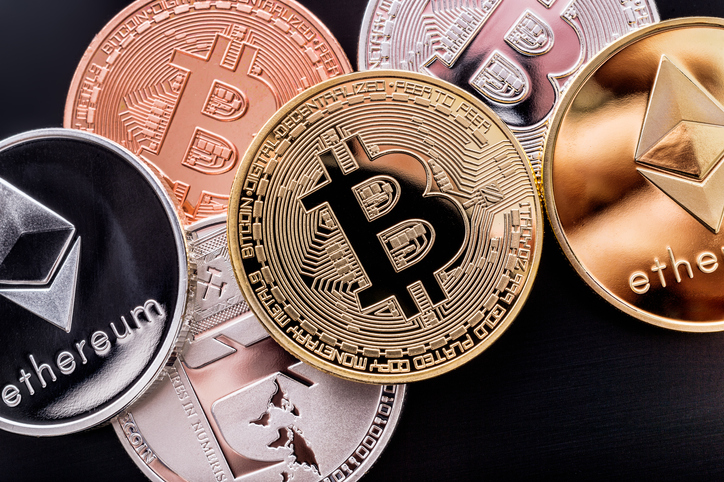
Cryptocurrency has become one of the most talked-about financial innovations in the world. From Bitcoin and Ethereum to other digital currencies, millions of people are investing, trading, and using cryptocurrencies for different purposes. However, for Muslims, an important question arises: Is cryptocurrency Halal or Haram in Islam?
Islam provides clear guidelines on financial transactions, business activities, investments, and wealth creation. Every Muslim is expected to earn, invest, and spend money in ways that agree with Islamic principles.
As cryptocurrency continues to grow in popularity, Muslims need to understand whether buying, selling, holding, or trading digital currencies is permissible under Islamic law.
In this article, we will explore what cryptocurrency means, what Islam says about digital assets, the arguments surrounding its permissibility, and what Muslims should consider before investing.
WHAT IS CRYPTOCURRENCY?
Cryptocurrency is a form of digital currency that uses cryptography to secure transactions. Unlike traditional money issued by governments and central banks, many cryptocurrencies operate on decentralised networks using blockchain technology.
Bitcoin, Ethereum, Litecoin, and other digital currencies allow people to send, receive, and store value electronically.
Cryptocurrency can be used for:
- Online payments and transfers.
- Investment and long-term savings.
- Trading and speculation.
- Decentralised financial services.
- Digital applications and blockchain-based projects.
Although cryptocurrency offers new financial opportunities, it also comes with risks, including price volatility, fraud, hacking, and regulatory uncertainty.
WHAT DOES ISLAM SAY ABOUT CRYPTOCURRENCY?
Islam does not specifically mention Bitcoin or modern cryptocurrencies because these technologies did not exist during the time of the Prophet Muhammad (peace be upon him).
However, Islamic scholars examine new financial products using established principles from the Qur’an, Sunnah, and Islamic jurisprudence.
Some important principles include:
1. Avoiding Riba (Interest)
Riba refers to prohibited interest or usury. Islam strictly forbids earning or paying interest in financial transactions.
Muslims should therefore be careful with cryptocurrency platforms that offer interest-based lending, borrowing, or guaranteed returns.
2. Avoiding Gharar (Excessive Uncertainty)
Gharar refers to excessive uncertainty or ambiguity in a transaction.
An investment involving unclear ownership, misleading information, unknown risks, or uncertain contractual obligations may raise serious Islamic concerns.
3. Avoiding Maysir (Gambling)
Maysir refers to gambling and games of chance.
Trading cryptocurrency purely through reckless speculation, betting on unpredictable price movements, or engaging in gambling-like activities may fall under prohibited practices.
4. Avoiding Fraud and Harm
Islam encourages honesty, fairness, transparency, and the protection of wealth.
Any cryptocurrency activity involving scams, market manipulation, deception, or exploitation is contrary to Islamic teachings.
IS CRYPTOCURRENCY HALAL OR HARAM?
There is no universal agreement among Islamic scholars regarding the permissibility of cryptocurrency.
Some scholars consider certain cryptocurrencies permissible, while others regard them as impermissible because of concerns about speculation, uncertainty, lack of regulation, and their suitability as money.
There are also scholars who adopt a conditional approach, meaning cryptocurrency may be permissible when specific Islamic requirements are satisfied.
The difference in opinion often comes from how scholars understand cryptocurrency’s value, ownership, use, risks, and financial structure.
Therefore, it would be inaccurate to claim that every cryptocurrency is automatically Halal or that every cryptocurrency is automatically Haram.
WHEN CAN CRYPTOCURRENCY BE CONSIDERED HALAL?
According to scholars who permit certain forms of cryptocurrency, the following conditions are important:
- Legitimate purpose: The cryptocurrency should have a lawful and beneficial use.
- Clear ownership: The buyer should genuinely own the digital asset and understand the rights attached to it.
- No Riba: The transaction should not involve prohibited interest.
- No gambling: The activity should not be based on gambling or reckless speculation.
- Transparency: Transactions should have clear terms and avoid deception.
- Avoiding fraud: The cryptocurrency project should not be involved in scams, manipulation, or illegal activities.
- Responsible investment: Investors should understand the risks and avoid exposing themselves or others to unnecessary financial harm.
Meeting these conditions does not automatically guarantee that every cryptocurrency is Halal. The particular asset and transaction must still be assessed.
CRYPTOCURRENCY ACTIVITIES MUSLIMS SHOULD BE CAREFUL ABOUT
Not every activity involving cryptocurrency has the same Islamic ruling.
Here are some activities that deserve special attention:
1. Buying and Holding Bitcoin
Some Islamic scholars permit buying and holding Bitcoin as a digital asset, provided the transaction meets the relevant Islamic requirements. Other scholars disagree because of concerns about its nature and risks.
2. Cryptocurrency Day Trading
Frequent buying and selling based on short-term price movements may raise concerns about speculation and gambling-like behaviour, particularly when it resembles betting rather than genuine investment.
3. Crypto Futures and Leveraged Trading
These activities often involve leverage, borrowing, interest-related charges, and contracts that may not involve actual ownership or delivery of the underlying asset. They can therefore raise significant Shariah concerns.
4. Staking and Crypto Lending
Some staking arrangements involve validating blockchain transactions and receiving network rewards, while others resemble lending or interest-bearing arrangements.
Their permissibility depends on the actual contract and how the rewards are generated.
5. Meme Coins and Unverified Projects
Many meme coins have little practical utility and are driven mainly by hype and speculation. Muslims should be particularly cautious about projects involving deception, manipulation, and pump-and-dump schemes.
WHAT SHOULD MUSLIMS CONSIDER BEFORE INVESTING IN CRYPTOCURRENCY?
Before putting money into any cryptocurrency, Muslims should ask themselves important questions:
- Do I understand how this cryptocurrency works?
- Is the project legitimate and transparent?
- Am I investing or simply gambling on price movements?
- Does the transaction involve interest or prohibited financial arrangements?
- Do I genuinely own the cryptocurrency?
- Can I afford the possibility of losing my investment?
- Have I sought guidance from a knowledgeable Islamic scholar?
These questions can help Muslims make more informed financial decisions while remaining conscious of their religious responsibilities.
THE IMPORTANCE OF SEEKING ISLAMIC SCHOLARLY GUIDANCE
Because cryptocurrency is a relatively new financial development, its Islamic ruling requires careful examination.
Muslims should not rely entirely on social media opinions, influencers, or cryptocurrency promoters when deciding whether an investment is Halal.
Instead, they should seek advice from qualified Islamic scholars who understand both Islamic commercial jurisprudence (Fiqh al-Mu’amalat) and modern financial technology.
It is also important to remember that a cryptocurrency being popular, profitable, or legally recognised in a country does not automatically make it Halal.
Islamic permissibility is determined by Shariah principles, not popularity or potential profit.
CONCLUSION: SHOULD MUSLIMS INVEST IN CRYPTOCURRENCY?
Cryptocurrency presents new opportunities in the digital financial world, but it also creates important questions for Muslims who want to manage their wealth according to Islamic teachings.
The question of whether cryptocurrency is Halal or Haram does not have one universally accepted answer. Different Islamic scholars have reached different conclusions based on their understanding of digital assets, financial transactions, uncertainty, speculation, and Islamic commercial principles.
Muslims should avoid interest-based transactions, gambling-like speculation, fraud, and investments they do not understand.
Before buying, selling, or trading cryptocurrency, it is wise to research the project, understand its risks, and consult a qualified Islamic scholar.
Ultimately, the goal of every Muslim should be to seek wealth through lawful means, avoid what Allah has prohibited, and ensure that financial success does not come at the expense of faith.
Remember: Earning money is important, but earning it in a Halal way is even more important.
FREQUENTLY ASKED QUESTIONS (FAQs)
1. Is Bitcoin Halal in Islam?
Islamic scholars have different opinions about Bitcoin. Some permit it under certain conditions, while others prohibit it because of concerns about uncertainty, speculation, and its monetary status.
2. Is cryptocurrency trading Halal?
It depends on the cryptocurrency, trading method, and contractual arrangement. Spot trading involving genuine ownership may be viewed differently from leveraged trading, futures, or gambling-like speculation.
3. Is Ethereum Halal?
Some scholars consider Ethereum potentially permissible because of its blockchain utility and applications. However, its permissibility depends on how it is acquired and used.
4. Is crypto staking Halal?
It depends on the staking structure, the source of rewards, and whether the arrangement involves interest, lending, or other prohibited elements.
5. Can Muslims invest in cryptocurrency?
Some scholars allow investment in certain cryptocurrencies under specific conditions, while others advise Muslims to avoid them. Muslims should seek qualified Shariah guidance before investing.
6. Is making money from cryptocurrency Haram?
Not necessarily. The Islamic ruling depends on the asset, the transaction, the investment method, and whether prohibited activities are involved.
Final Thought: Before investing in cryptocurrency, remember that protecting your faith and earning Halal wealth should always come before the desire to make quick profits.
