

THE DIFFERENCE BETWEEN HAJJ TAMATTU, QIRAN AND IFRAD: A COMPLETE GUIDE FOR EVERY MUSLIM PILGRIM

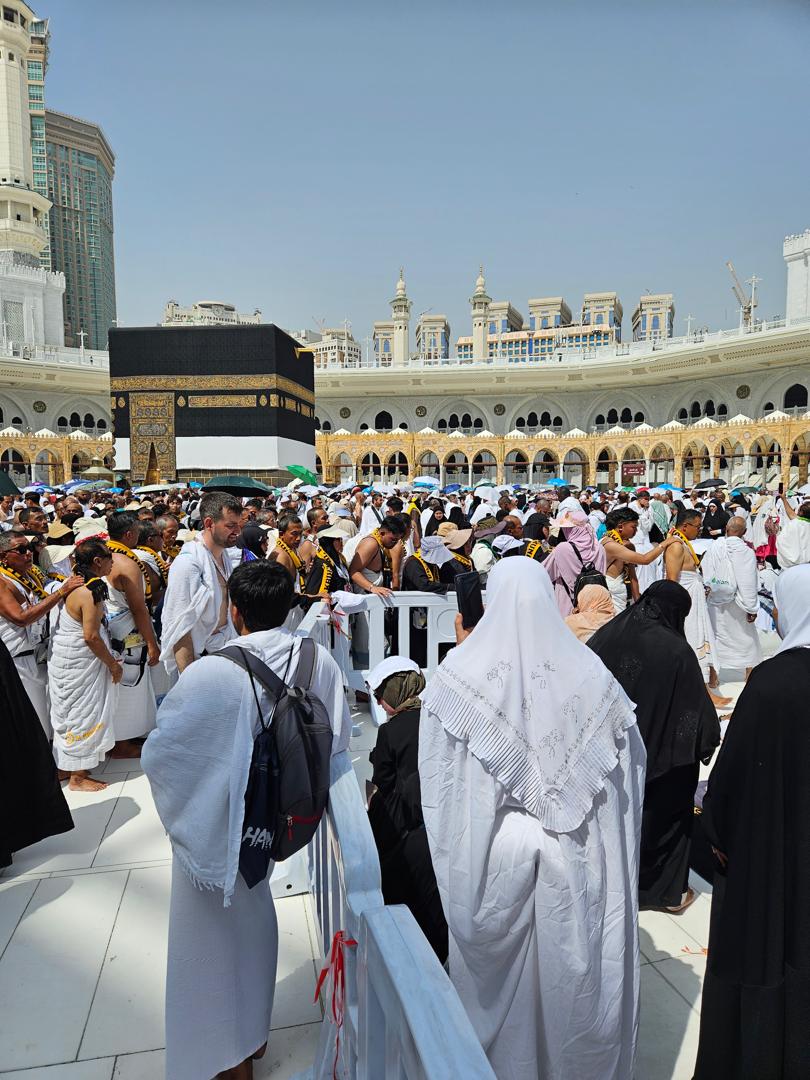
Hajj is one of the five pillars of Islam and a sacred journey that every Muslim who is physically and financially able isrequired to perform at least once in their lifetime.
However, before embarking on this beautiful journey, one important decision every intending pilgrim shouldunderstand is the type of Hajj they will perform.
There are three main types of Hajj in Islam: Hajj Tamattu, Hajj Qiran, and Hajj Ifrad.
Although all three forms involve travelling to Makkah and performing the essential Hajj rituals, they differ in how apilgrim enters Ihram, whether Umrah is performed alongside Hajj, when the pilgrim exits Ihram, and whether an animalsacrifice is required.
For first-time pilgrims, understanding these differences can sometimes be confusing. You may hear your travel agent,Islamic scholar, or fellow pilgrims mention Tamattu, Qiran, and Ifrad without fully understanding what each onemeans.
In this article, we will explain the three types of Hajj, their differences, their requirements, and what every Muslimshould know before choosing how to perform Hajj.
1. What Are the Three Types of Hajj?
The three recognised types of Hajj are:
-
Hajj Tamattu: Performing Umrah first during the months of Hajj, exiting Ihram, and then entering Ihram again forHajj.
-
Hajj Qiran: Combining Umrah and Hajj under one Ihram without exiting Ihram between the two.
-
Hajj Ifrad: Performing Hajj alone without combining it with Umrah.
All three are valid forms of performing Hajj.
The differences mainly concern the pilgrim’s intention, the sequence of rituals, and the requirements associated withsacrifice.
Let’s look at each one in detail.
2. Hajj Tamattu: Performing Umrah Before Hajj
Hajj Tamattu is a type of pilgrimage in which a Muslim performs Umrah first during the months of Hajj, exits the stateof Ihram, and later enters Ihram again to perform Hajj.
The word Tamattu refers to enjoying the period between Umrah and Hajj after being released from Ihram.
This means that a pilgrim can perform Umrah, complete the required rituals, and return to normal activities beforeentering Ihram again for Hajj.
How Does Hajj Tamattu Work?A pilgrim performing Hajj Tamattu follows these steps:
Step 1: Enter Ihram for Umrah
The pilgrim makes the intention to perform Umrah and enters the state of Ihram before crossing the Miqat.
Step 2: Perform Umrah
The pilgrim completes the Umrah rituals:
-
Tawaf around the Ka’bah seven times.
-
Sa’i between Safa and Marwah seven circuits.
-
Shaving or shortening the hair for men, and shortening the hair for women.
Step 3: Exit Ihram
After completing Umrah, the pilgrim exits Ihram and can resume normal activities that were restricted during Ihram.
Step 4: Enter Ihram for Hajj
On the 8th of Dhul-Hijjah, known as Yawm al-Tarwiyah, the pilgrim enters Ihram again with the intention ofperforming Hajj.
Step 5: Complete the Hajj rituals
The pilgrim proceeds with the Hajj rituals, including:
-
Travelling to Mina.
-
Standing at Arafat on the 9th of Dhul-Hijjah.
-
Spending the night at Muzdalifah.
-
Stoning the Jamarat.
-
Performing Tawaf al-Ifadah.
-
Completing the remaining Hajj requirements.
Is Sacrifice Required for Hajj Tamattu?Yes. A pilgrim performing Hajj Tamattu is generally required to offer a sacrifice known as Hady.
This sacrifice is usually an animal such as a sheep, goat, cow, or camel, subject to the relevant Islamic requirements.
If a pilgrim cannot afford the sacrifice, the Qur’an provides an alternative of fasting three days during Hajj and sevendays after returning home.
Allah says in Surah Al-Baqarah, verse 196:
“And when you are secure, then whoever performs Umrah [during the Hajj months] followed by Hajj, he must offerwhat can be obtained with ease of sacrificial animals…”
(Qur’an 2:196)
Who Can Perform Hajj Tamattu?
Hajj Tamattu is particularly suitable for pilgrims who arrive in Makkah before Hajj and want to perform Umrah beforethe main Hajj rituals begin.
It is commonly performed by international pilgrims who travel to Saudi Arabia several days or weeks before Hajj.
3. Hajj Qiran: Combining Umrah and Hajj
Hajj Qiran is a type of pilgrimage in which a Muslim combines Umrah and Hajj under one Ihram.
Unlike Hajj Tamattu, the pilgrim does not exit Ihram after completing the Umrah rituals.
Instead, the pilgrim remains in the state of Ihram until the Hajj sacrifice and the associated release from Ihram.
The word Qiran means combining or joining two things together.
How Does Hajj Qiran Work?
A pilgrim performing Hajj Qiran follows these steps:
Step 1: Enter Ihram
The pilgrim enters Ihram with the intention of performing both Umrah and Hajj.
This can be done by making the intention to combine the two acts of worship.
Step 2: Perform Umrah
The pilgrim performs Tawaf and Sa’i.
However, unlike Hajj Tamattu, the pilgrim does not shorten or shave the hair at this stage to exit Ihram.
Step 3: Remain in Ihram
The pilgrim remains in Ihram and continues observing its restrictions until the prescribed time for release during Hajj.
Step 4: Proceed with the Hajj rituals
The pilgrim completes the main Hajj rituals, including:
-
Travelling to Mina.
-
Standing at Arafat.
-
Spending the night at Muzdalifah.
-
Stoning the Jamarat.
-
Offering the required sacrifice.
-
Performing Tawaf al-Ifadah.
Step 5: Exit Ihram
The pilgrim exits Ihram after completing the relevant acts that permit release from Ihram.
Is Sacrifice Required for Hajj Qiran?
Yes. A pilgrim performing Hajj Qiran is generally required to offer Hady, just like someone performing Hajj Tamattu.
If the pilgrim cannot afford the sacrifice, the fasting alternative mentioned in Qur’an 2:196 applies.
Who Can Perform Hajj Qiran?
Hajj Qiran is an option for Muslims who wish to combine Umrah and Hajj without exiting Ihram between the two.
However, it requires remaining in Ihram for a longer period, which means pilgrims must be prepared to observe itsrestrictions throughout that period.
4. Hajj Ifrad: Performing Hajj Alone
Hajj Ifrad is the type of pilgrimage in which a Muslim performs Hajj without combining it with Umrah.
The word Ifrad means making something separate or performing it individually.
A pilgrim performing Hajj Ifrad enters Ihram with the intention of performing Hajj alone.
Unlike Tamattu and Qiran, Umrah is not included in this particular pilgrimage.
How Does Hajj Ifrad Work?
A pilgrim performing Hajj Ifrad follows these steps:
Step 1: Enter Ihram for Hajj
The pilgrim makes the intention to perform Hajj alone before crossing the Miqat.
Step 2: Travel to Makkah
Upon arriving in Makkah, the pilgrim may perform Tawaf al-Qudum (the arrival Tawaf), where applicable.
The pilgrim may also perform Sa’i before proceeding to the Hajj rituals, depending on the scholarly guidance followed.
Step 3: Remain in Ihram
The pilgrim continues observing the restrictions of Ihram until the appropriate time for release during Hajj.
Step 4: Complete the Hajj rituals
These include:
-
Travelling to Mina.
-
Standing at Arafat.
-
Spending the night at Muzdalifah.
-
Stoning the Jamarat.
-
Performing the required Hajj sacrifice if applicable under another obligation.
-
Performing Tawaf al-Ifadah.
-
Completing the remaining Hajj rites.
Is Sacrifice Required for Hajj Ifrad?
Unlike Hajj Tamattu and Qiran, the Hady sacrifice is not generally obligatory simply because someone is performingHajj Ifrad.
However, a pilgrim may still offer a voluntary sacrifice.
Other circumstances may also create a separate sacrifice obligation.
Who Can Perform Hajj Ifrad?
Hajj Ifrad may be suitable for pilgrims who intend to perform Hajj alone and do not wish to combine it with Umrahunder the same pilgrimage arrangement.
It is also important to understand that a person performing Ifrad may perform a separate Umrah if the circumstancesand applicable rules allow.
5. The Major Differences Between Hajj Tamattu, Qiran and Ifrad
Now that we have explained each type individually, let’s look at their differences side by side.
| Feature | Tamattu | Qiran | Ifrad |
|---|---|---|---|
| Umrah included? | Yes | Yes | No |
| Hajj included? | Yes | Yes | Yes |
| Number of Ihram entries | Two | One | One |
| Exits Ihram after Umrah? | Yes | No | Not applicable |
| Enters Ihram again for Hajj? | Yes | No | No |
| Hady sacrifice required? | Yes | Yes | Not generally |
| Umrah performed separately? | Yes, before Hajj | Combined with Hajj | Not included |
The easiest way to remember the difference:
-
Tamattu: Umrah first, exit Ihram, then Hajj.
-
Qiran: Umrah and Hajj together under one Ihram.
-
Ifrad: Hajj alone.
6. Which Type of Hajj Is Better?
Many intending pilgrims ask which of the three types of Hajj is the best.
There are differences among Islamic scholars regarding the preferred form of Hajj.
The Prophet Muhammad (peace and blessings be upon him) performed Hajj, and authentic narrations describe aspectsof his pilgrimage and the different intentions of his companions.
Scholars have discussed whether Tamattu, Qiran, or Ifrad is preferable based on the relevant Hadith and theirinterpretation of the evidence.
However, all three are recognised and valid forms of Hajj.
The choice may depend on:
-
Your travel arrangements.
-
When you arrive in Makkah.
-
Whether you intend to perform Umrah before Hajj.
-
Your ability to remain in Ihram for an extended period.
-
Your financial ability to offer Hady.
-
The Islamic school of thought and guidance you follow.
For many international pilgrims, Tamattu is a practical option because it allows them to complete Umrah and exit Ihrambefore the main Hajj days.
Nevertheless, consult a qualified Islamic scholar or knowledgeable Hajj guide before making your intention.
7. What Does the Qur’an Say About the Three Types of Hajj?
The Qur’an provides guidance concerning the pilgrimage and the combination of Umrah with Hajj.
In Surah Al-Baqarah, verse 196, Allah says:
“And complete the Hajj and Umrah for Allah…”
The verse also discusses the sacrifice required for those who perform Umrah followed by Hajj, as well as the alternativefasting arrangement for those unable to offer the sacrifice.
This verse is particularly important when understanding Hajj Tamattu and the obligation of Hady.
The details of Hajj Qiran and Ifrad are further explained through the Sunnah of Prophet Muhammad (peace andblessings be upon him), including narrations about the different intentions adopted by the companions during theFarewell Pilgrimage.
8. Important Things to Know Before Choosing Your Type of Hajj
Before selecting Tamattu, Qiran, or Ifrad, there are several things every intending pilgrim should understand.
Understand the Rules of Ihram
Ihram is not simply wearing two pieces of white clothing.
It is a sacred state of worship with specific restrictions.
Men and women have different clothing requirements, but both must observe the rules of Ihram.
Know When You Are Allowed to Exit Ihram
One of the biggest differences between the three types of Hajj is when the pilgrim exits Ihram.
-
Tamattu pilgrims exit Ihram after completing Umrah and enter it again for Hajj.
-
Qiran pilgrims remain in Ihram from the beginning of their combined Umrah and Hajj until the prescribedrelease.
-
Ifrad pilgrims remain in Ihram for Hajj alone until the prescribed release.
Prepare for the Hady Sacrifice
If you choose Tamattu or Qiran, make arrangements for the required sacrifice.
For pilgrims using organised Hajj packages, authorised arrangements may be available.
Ensure that any sacrifice arrangement complies with the applicable Islamic and Saudi regulations.
Follow Your Hajj Group’s Guidance
If you are travelling through an organised Hajj package, your group leader or religious guide can help you understandthe practical steps involved.
However, do not hesitate to ask questions whenever you are uncertain about a ritual.
Hajj is a major act of worship, and understanding its requirements is important.
9. Common Mistakes Pilgrims Make When Understanding the Types ofHajj
Here are some common misconceptions to avoid:
Mistake 1: Thinking all three types of Hajj are the same.
They are all valid forms of Hajj, but their intentions, Ihram arrangements, and sacrifice requirements differ.
Mistake 2: Thinking Qiran pilgrims exit Ihram after Umrah.
Unlike Tamattu pilgrims, Qiran pilgrims remain in Ihram after completing the Umrah rites.
Mistake 3: Thinking every pilgrim must offer Hady.
The obligatory Hady associated with Tamattu and Qiran does not automatically apply to Ifrad.
Mistake 4: Confusing Umrah with Hajj.
Although Umrah is included in Tamattu and Qiran, it is not part of Hajj Ifrad.
Mistake 5: Choosing a type of Hajj without understanding its requirements.
Always learn the differences and seek reliable Islamic guidance before making your intention.
10. Frequently Asked Questions About Hajj Tamattu, Qiran and Ifrad
Q1. What are the three types of Hajj in Islam?
The three types are Hajj Tamattu, Hajj Qiran, and Hajj Ifrad.
Q2. Which type of Hajj includes Umrah?
Both Hajj Tamattu and Hajj Qiran include Umrah. Hajj Ifrad involves performing Hajj alone.
Q3. Which type of Hajj requires two separate Ihram intentions?
Hajj Tamattu involves entering Ihram for Umrah first, exiting Ihram after completing Umrah, and entering Ihram againfor Hajj.
Q4. Which type of Hajj requires remaining in Ihram throughout Umrah and Hajj?
Hajj Qiran requires the pilgrim to remain in one continuous state of Ihram while combining Umrah and Hajj.
Q5. Is sacrifice compulsory for all three types of Hajj?
No. Hady is generally obligatory for Tamattu and Qiran, but not simply because someone performs Ifrad.
Q6. Can I perform Umrah before Hajj?
Yes. This is the basis of Hajj Tamattu, where Umrah is performed first, followed by Hajj after exiting and re-enteringIhram.
Q7. Can I perform Umrah after completing Hajj Ifrad?
A separate Umrah may be possible, subject to the applicable pilgrimage arrangements and regulations. Seek guidancefrom a qualified scholar.
Q8. Which type of Hajj is commonly performed by international pilgrims?
Hajj Tamattu is commonly performed by many international pilgrims because it allows them to perform Umrah beforeHajj and exit Ihram in between.
Q9. Can women perform all three types of Hajj?
Yes. Muslim women can perform Tamattu, Qiran, or Ifrad, following the relevant Islamic guidelines.
Q10. Are all three types of Hajj accepted in Islam?
All three are recognised and valid forms of Hajj when performed according to their requirements.
FINAL THOUGHTS
Understanding the difference between Hajj Tamattu, Qiran, and Ifrad is an important part of preparing for thepilgrimage.
Although all three forms lead to the completion of Hajj, they differ in how Umrah is incorporated, how long a pilgrimremains in Ihram, and whether an obligatory sacrifice is required.
To summarise:
-
Hajj Tamattu: Perform Umrah, exit Ihram, and later enter Ihram again for Hajj.
-
Hajj Qiran: Combine Umrah and Hajj under one Ihram.
-
Hajj Ifrad: Perform Hajj without combining it with Umrah.
Whichever type you choose, remember that the most important aspect of Hajj is sincerity, obedience to Allah, andfollowing the teachings of Prophet Muhammad (peace and blessings be upon him).
May Allah make the journey of Hajj easy for every intending pilgrim, accept our acts of worship, forgive ourshortcomings, and grant every Muslim the opportunity to visit His Sacred House.
May Allah grant us Hajj Mabroor and accept our عبادات. Ameen.
