


The weekend is often when people relax the most. After a busy week of work, school, business and responsibilities, Saturday and Sunday provide more freedom to go out, visit friends, attend events, travel, watch movies, sleep longer or simply enjoy life.
There is nothing wrong with having fun. Islam does not forbid Muslims from enjoying lawful things or spending time with family and friends. The problem begins when enjoyment becomes so important that Salah is pushed aside.
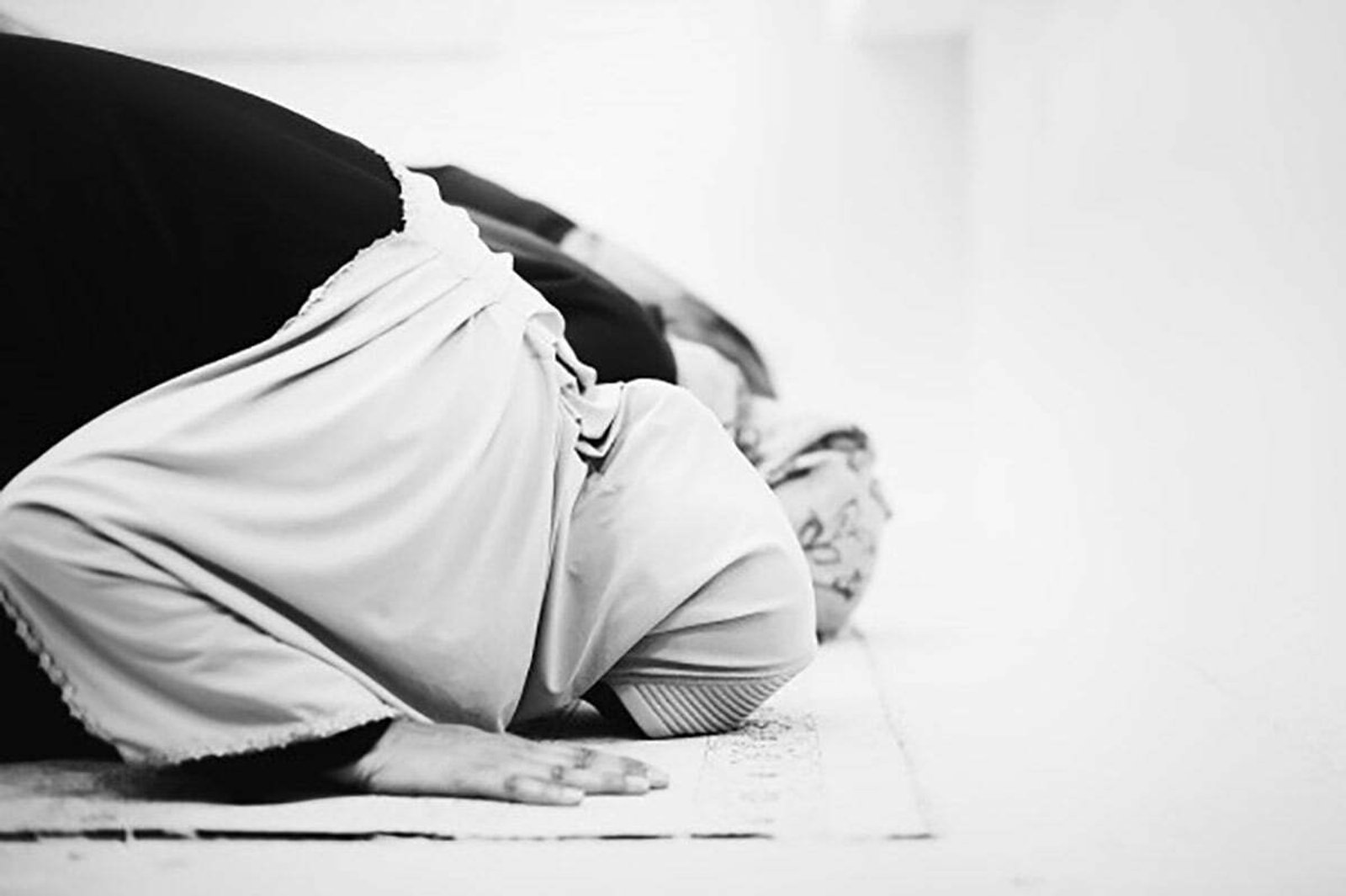
For a Muslim, Salah is not something that belongs only to the working week. It is not something we pray when our schedule is convenient. The five daily prayers remain an obligation whether we are at work, at home, travelling, attending an event or enjoying ourselves with friends.
Allah says:
“Indeed, prayer has been decreed upon the believers at specified times.”
Surah An-Nisa 4:103
Those specified times do not change because it is Saturday.
This is where the weekend can become a test of priorities. During the week, many Muslims have structured routines. They may have alarms, work breaks, school schedules and other reminders that naturally create space for Salah. Once the weekend arrives, that structure disappears.
A person may sleep late and miss Fajr. They may spend hours outside and realise that Asr has almost ended. They may attend an event and decide that they will pray later, only for the day to become busy. Before they realise it, the prayer has been delayed or missed.
The problem is not necessarily that the person does not believe Salah is important. Sometimes the problem is that they have allowed everything else to become more important in the moment.
That is something every Muslim should take seriously.
Salah is one of the clearest expressions of our relationship with Allah. It is where we stand before Him five times every day. It is where we pause whatever we are doing and remember that our lives are not only about work, money, entertainment and social activities.
The weekend should not remove that pause.
In fact, having more freedom can give us a better opportunity to pray with greater concentration.
You do not have to rush through Salah because you are trying to get somewhere. You can prepare properly. You can make wudu calmly. You can arrive at the mosque. You can pray without constantly checking the time because of another appointment.
The question is whether we use that freedom wisely.
There is also a lesson about planning.
If you already know that you are going out for several hours, check the prayer times before leaving. Think about where you will be when Salah is due. If necessary, identify a nearby mosque or a clean and suitable place where you can pray.
Do not make Salah something you will “figure out later.”
Plan your day around your prayers instead of trying to fit your prayers into whatever remains of your day.
This does not mean that every weekend activity must revolve around the mosque. It means that Salah remains a fixed part of your day regardless of what else you are doing.
Your friends should understand that you need to pray.
Your family should understand that you need to pray.
Your plans should accommodate Salah.
And if an activity makes it repeatedly difficult for you to pray on time, it is worth asking whether that activity is worth the cost.
This is particularly important for young Muslims.
There can be pressure to stay out late, attend parties, spend hours with friends or remain constantly connected to social activities. Sometimes saying, “I need to pray,” can make someone feel different from the group.
But being different is not a problem when you are doing what is right.
You should not be ashamed of Salah.
You should not hide your prayer because you are worried about what people will think.
You should not allow embarrassment to become a reason for neglecting an obligation.
At the same time, Islam teaches wisdom and good manners. You can excuse yourself politely, find an appropriate place and return without turning your worship into an argument with everyone around you.
Salah does not prevent you from enjoying life.
It helps put enjoyment in its proper place.
You can have dinner with your friends and pray. You can attend a family gathering and pray. You can go shopping and pray. You can travel and pray. You can play sports and pray.
The day does not need to stop because you are Muslim.
Rather, your worship should remain part of the day wherever you are.
There is also a deeper issue to consider. Sometimes people postpone Salah because they believe they will have more time later.
But later is not guaranteed.
The prayer time passes.
The opportunity disappears.
And a person may eventually become so accustomed to delaying Salah that it becomes a pattern.
That is why the best time to pray is when the prayer time arrives and you are able to fulfil it properly.
Do not let “I’m having fun” become a permanent excuse.
Do not let “I’m busy” become your normal relationship with Salah.
Do not let the weekend become the time when your commitment to Allah becomes weakest.
Instead, let the weekend show that your relationship with Allah is not dependent on your schedule.
Enjoy yourself. Rest. Meet people. Go out. Laugh. Eat. Travel. Have a good time within what Allah has made permissible.
But when the time for Salah comes, remember why you are here.
Put the phone down.
Pause the conversation.
Step away from the activity.
Make wudu.
Stand before Allah.
Then return to your day.
That short interruption may actually be one of the most important moments of your entire weekend.
Because the goal is not to choose between enjoying life and worshipping Allah.
The goal is to learn how to enjoy the blessings of life without allowing them to make you forget the One who gave them to you.
