


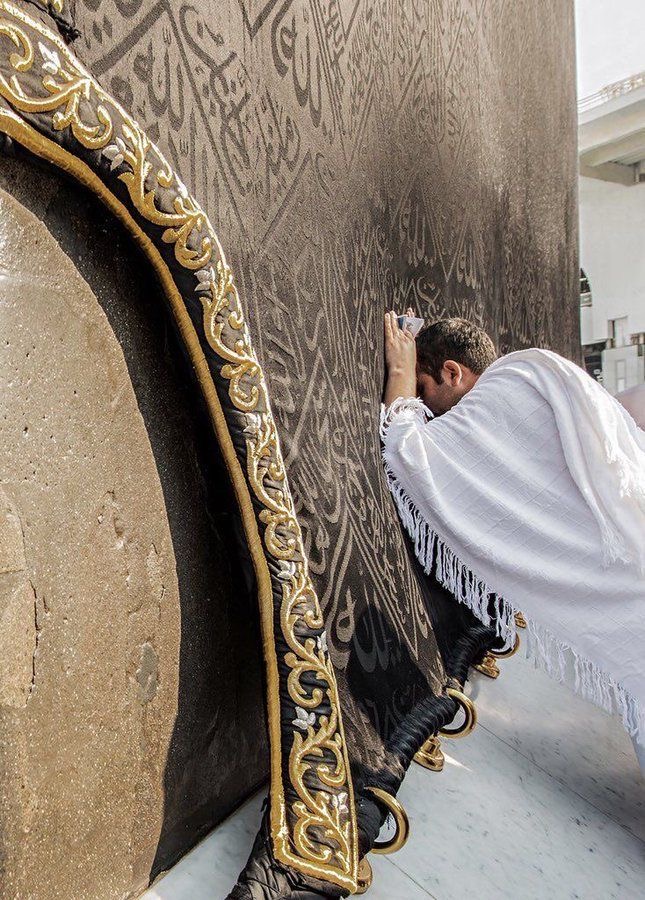
Love is one of the strongest forces in the human heart. It influences what we pursue, what we sacrifice for, what we remember and what we are willing to do for someone or something. Islam does not ask a believer to worship Allah out of fear alone. It teaches the Muslim to know Allah, fear Him, hope in His mercy and, above all, develop a sincere love for Him.
Loving Allah is not simply saying that we love Him. It is a condition of the heart that eventually becomes visible in a person’s choices, priorities and behaviour. When a person genuinely loves Allah, obedience is no longer viewed only as a list of obligations. Salah becomes a meeting with the One they love. The Qur’an becomes a source of guidance and connection. Dua becomes an opportunity to speak to their Lord. Avoiding sin becomes an expression of loyalty rather than merely fear of punishment.
Allah says, “But those who believe are stronger in love for Allah.” (Qur’an 2:165). This verse points to something important about the believer’s heart. Muslims may love their parents, spouses, children, friends, careers and other blessings, but none of these loves should compete with the love owed to Allah. Everything else exists because Allah created it.
One of the first ways to develop love for Allah is to know Him. It is difficult to deeply love someone we know very little about. The same applies to our relationship with Allah. The more a Muslim learns about His names, attributes, mercy, wisdom, forgiveness, justice and generosity, the more the heart begins to appreciate who Allah is.
Think about how many blessings a person receives without even asking for them. We wake up with another day of life. We breathe without having to consciously command every breath. We see, hear, think, eat, walk and communicate. We experience family, friendship, opportunities, shelter and countless other blessings. Most of these things become so familiar that we stop noticing them.
Yet every blessing ultimately comes from Allah.
Allah says, “And whatever blessing you have is from Allah.” (Qur’an 16:53). Recognising this changes the way a believer looks at everyday life. A meal is no longer simply food. It becomes a blessing. Good health is not something to take for granted. It is a blessing. The ability to earn a living is a blessing. Having someone who genuinely cares about you is a blessing.
Gratitude naturally strengthens love. The more a person recognises what Allah has given them, the more their heart becomes attached to the Giver.
Love for Allah is also demonstrated through obedience. A person can claim to love someone, but genuine love eventually affects behaviour. If someone says they love Allah but deliberately ignores His commands whenever those commands become inconvenient, there is a contradiction that needs to be addressed.
Allah says, “Say, if you should love Allah, then follow me, so Allah will love you and forgive you your sins.” (Qur’an 3:31). The verse connects love for Allah with following the Messenger ﷺ. This means that love is not merely an emotion. It produces action.
This is why Salah is so important. A Muslim may have a busy schedule, many responsibilities and countless distractions, but when the time for Salah arrives, they respond to the call of Allah. The act itself becomes an expression of love and submission.
The same applies to leaving something haram. Sometimes a person wants something very badly but knows that obtaining it would require disobeying Allah. Choosing Allah over that desire is one of the clearest expressions of love. You are effectively saying through your action that pleasing Allah matters more to you than getting what you want.
This can be difficult because the heart naturally becomes attached to things. A person may love money, status, relationships, popularity or pleasure. Islam does not require Muslims to stop enjoying the permissible blessings of life. Rather, it teaches them not to allow these things to become greater in their hearts than Allah.
When something created becomes the centre of a person’s life, losing it can destroy them emotionally. But when Allah remains at the centre, a believer can appreciate blessings without becoming completely dependent upon them.
Love for Allah also changes how a Muslim responds when life becomes difficult. This does not mean that a believer enjoys hardship or never feels sadness. Rather, they continue to trust Allah even when they do not understand what is happening.
A person who loves Allah may still ask, “Why is this happening to me?” They may cry, feel exhausted and wish their situation were different. But beneath all of that, there remains a foundation of trust: Allah knows what I do not know, and His wisdom is greater than mine.
This is where love connects with patience, hope and tawakkul. A believer who knows Allah’s mercy does not immediately interpret every difficulty as abandonment. They continue turning towards Him because their relationship with Allah is not based only on receiving exactly what they want.
There is another important sign of loving Allah: enjoying being alone with Him.
A person who loves someone often looks forward to spending time with them. The same principle can exist spiritually. A Muslim begins to appreciate moments when they can pray without distraction, read the Qur’an quietly, make dua privately or remember Allah when nobody else is around.
This is why private worship can be so powerful. When nobody is watching, there is no audience to impress. The act is simply between the servant and Allah. A few sincere moments in private can reveal something about the state of a person’s heart that public religious behaviour cannot.
The Qur’an should also occupy an important place in developing love for Allah. It is not simply a book to be recited for reward. It is guidance from Allah. When a Muslim reads it with reflection, they begin to understand what Allah loves, what He dislikes, what He commands, what He warns against and what He promises.
The more a person engages with the Qur’an, the more their relationship with Allah can become personal and meaningful. They begin to recognise their own struggles in its guidance. They find warnings when they need correction and encouragement when they need strength.
Love for Allah also means loving what Allah loves. This includes loving righteousness, truthfulness, mercy, justice, modesty, generosity and obedience. It also means respecting the things Allah has made sacred.
A person cannot claim that their love for Allah has no effect on their treatment of other people. The way we speak to people, deal with family, conduct business, keep promises and handle disagreements all become part of our relationship with Allah.
When love for Allah becomes stronger, sin begins to feel different. It is no longer merely about breaking a rule. The believer begins to feel that disobedience damages something precious between them and their Creator. This does not mean they will never sin. Human beings are weak and make mistakes. But when they fall, their heart wants to return.
That is why sincere repentance is itself an expression of love. The person who has distanced themselves from Allah does not remain away simply because they are ashamed. They return, ask for forgiveness and begin again.
Developing love for Allah is therefore not something that happens overnight. It grows through knowledge, worship, gratitude, remembrance, obedience, reflection and sincere dua. The more a person knows Allah, the more they appreciate Him. The more they appreciate Him, the more they remember Him. The more they remember Him, the more connected their heart becomes to Him.
A Muslim should regularly ask themselves what occupies the greatest place in their heart. Is it money? Career? Relationships? Social media? Recognition? Appearance? Success? Or is Allah truly at the centre of their life?
The answer is not always found in what we say. It is often found in what we prioritise when our desires conflict with our faith.
Loving Allah does not mean withdrawing from the world or abandoning the people and responsibilities Allah has given us. It means putting everything in its proper place. We love our families because Allah commands us to care for them. We appreciate wealth because Allah has allowed us to benefit from it. We enjoy life because its blessings come from Him. But our ultimate attachment remains with the One who gave us all of these things.
The heart that loves Allah is not necessarily a heart that never struggles. It is a heart that knows where to return when it struggles.
May Allah make His love the greatest love in our hearts, make obedience beloved to us, make sin detestable to us, and allow us to know Him in a way that transforms the way we live. May He grant us the kind of love that is reflected not only in our words, but in our Salah, our character, our choices, our private lives and our relationship with everyone around us.
