

THE MUSLIM CHARACTER: RESPECTING PARENTS BEYOND OBEDIENCE
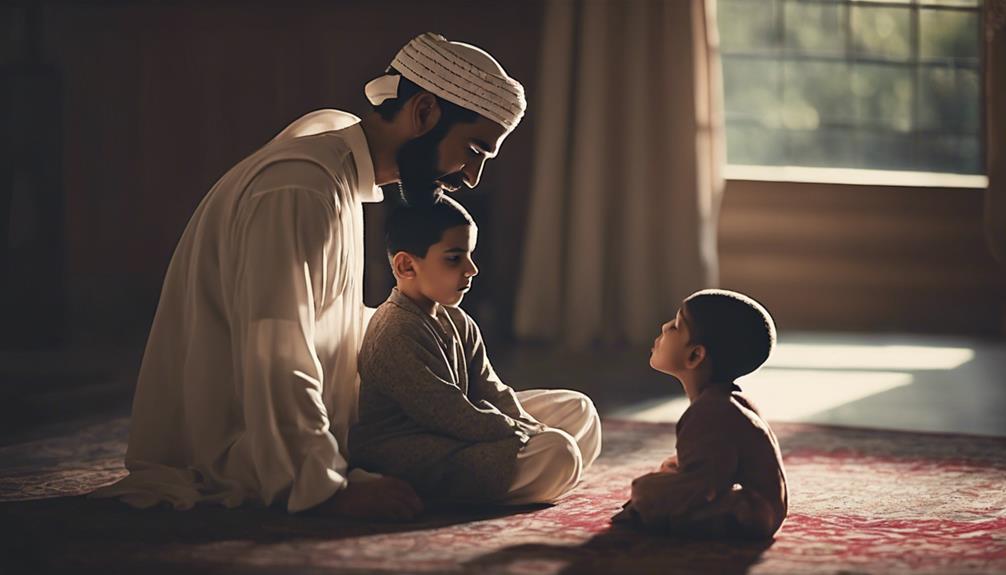
Your Lord has decreed that you worship none but Him, and that you show excellence to your parents. If one or both of them reach old age with you, do not even say to them, 'uff,' nor repel them, but speak to them with gracious words. Lower to them the wing of humility out of mercy and say: 'My Lord, have mercy upon them as they raised me when I was small.'" — Qur'an 17:23–24

Introduction
Respect for parents occupies one of the highest positions in Islamic ethics. Throughout the Qur’an, Allah repeatedly pairs the command to worship Him alone with the command to treat parents with kindness. This unique pairing demonstrates the significance of parental rights and highlights their importance in the life of every Muslim.
In many societies today, relationships between parents and children are being challenged by changing lifestyles, generational differences, and increasing individualism. Elderly parents are sometimes neglected, while younger generations may view parental guidance as interference rather than concern. Islam addresses these challenges by establishing principles that encourage gratitude, compassion, patience, and lifelong respect.
Respecting parents in Islam goes far beyond simple obedience. It involves recognising their sacrifices, protecting their dignity, caring for them during old age, speaking to them with kindness, and maintaining strong family ties even when disagreements arise.
The Status of Parents in the Qur’an
The Qur’an consistently emphasises the elevated status of parents. After commanding believers to worship Him alone, Allah says:
“And We have commanded man to be good to his parents. His mother carried him with hardship and gave birth to him with hardship, and his gestation and weaning is thirty months.”
— Qur’an 46:15
The Qur’an reminds believers that their existence is the result of years of sacrifice made by their parents, particularly their mothers. Pregnancy, childbirth, sleepless nights, financial responsibility, emotional support, and continuous care are all part of the debt children owe to their parents.
Although no child can fully repay these sacrifices, Islam encourages gratitude through words, actions, and consistent care.
Why Parents Hold Such a High Position
Parents are among the greatest means through which Allah blesses a person’s life.
They provide care before a child is capable of recognising it.
They make sacrifices that often go unnoticed.
They worry about their children’s future long after the children have become adults.
Many parents willingly place their children’s needs above their own comfort, wealth, and ambitions.
Islam acknowledges these sacrifices and teaches believers never to take them for granted.
The Prophet Muhammad ﷺ was asked:
“Who is most deserving of my good companionship?”
He replied:
“Your mother.”
The man asked again.
The Prophet ﷺ replied:
“Your mother.”
He asked a third time.
The Prophet ﷺ again replied:
“Your mother.”
When he asked a fourth time, the Prophet ﷺ said:
“Then your father.”
(Sahih al-Bukhari and Sahih Muslim)
This famous hadith highlights the extraordinary status of mothers while also affirming the important rights of fathers.
Respect Is More Than Obedience
Many people assume that respecting parents simply means obeying their instructions.
While obedience is important in matters that do not involve disobedience to Allah, Islamic teachings go much further.
Respect includes speaking politely.
Listening attentively.
Showing appreciation.
Being patient during disagreements.
Avoiding harsh language.
Protecting their honour.
Making time for them despite busy schedules.
Supporting them emotionally and financially when needed.
Even facial expressions and tone of voice matter.
This is why Allah specifically prohibits saying even the smallest expression of annoyance, “uff,” to one’s parents.
If a simple expression of frustration is forbidden, then insults, shouting, and disrespectful behaviour are far more serious.
Caring for Parents in Old Age
One of the greatest tests of character occurs when parents become elderly.
As people age, they may become physically weaker, emotionally sensitive, or increasingly dependent on others.
The roles often reverse.
Parents who once cared for their children now require care themselves.
Islam teaches that this period should be met with patience rather than frustration.
Allah specifically mentions old age in the Qur’an because it is often the stage when parents need the greatest support.
Visiting them regularly, assisting with medical care, helping with daily responsibilities, and ensuring they do not feel abandoned are all acts of worship.
Serving elderly parents is among the greatest opportunities to earn Allah’s pleasure.
When Parents Are Not Perfect
Islam recognises that parents, like all human beings, can make mistakes.
Some may have shortcomings.
Others may be strict, emotional, or difficult to understand.
Despite this, believers are instructed to maintain respectful conduct.
Respect does not require agreeing with every opinion.
It does require preserving dignity and avoiding disrespect.
Even when correcting parents or discussing sensitive issues, Muslims should do so with wisdom, gentleness, and sincere concern.
When Parents Ask for Something Wrong
Islam establishes a balanced approach.
If parents instruct their children to commit an act that clearly contradicts the commands of Allah, the believer must respectfully decline.
Allah says:
“But if they strive to make you associate with Me that of which you have no knowledge, then do not obey them, but accompany them in this world with kindness.”
— Qur’an 31:15
This verse teaches two important principles.
First, obedience to Allah takes priority over obedience to any human being.
Second, even when a parent’s request cannot be followed, kindness and respect must never be abandoned.
Disagreement does not justify harshness.
Remembering Parents After Their Death
The responsibility towards parents does not end with their passing.
The Prophet ﷺ taught that one of the greatest ways to honour deceased parents is through continuous acts of goodness.
Children should regularly make dua for them.
Seek Allah’s forgiveness on their behalf.
Give charity in their memory.
Maintain the family ties they valued.
Honour their friends and relatives.
Fulfilling these responsibilities benefits both the deceased and the living while strengthening family bonds across generations.
Challenges in Modern Society
Busy careers, migration, and changing lifestyles have created new challenges for family relationships.
Some children live far from their parents.
Others become so occupied with work and technology that meaningful communication becomes rare.
A short phone call, a visit, assistance with errands, or simply spending quality time together can make a significant difference.
Islam encourages believers to prioritise family relationships despite the demands of modern life.
Respect should never be limited to special occasions such as Eid or family celebrations.
It should become part of everyday life.
Practical Ways to Honour Parents
There are many practical ways Muslims can strengthen their relationship with their parents.
Speak respectfully, even during disagreements.
Express gratitude for their sacrifices.
Visit or contact them regularly.
Offer financial support if they are in need.
Pray for them after every salah.
Seek their advice and involve them in important life decisions.
Be patient with their weaknesses as they were patient with yours during childhood.
Never embarrass or humiliate them in public or private.
These actions reflect the teachings of the Qur’an and Sunnah and contribute to stronger families.
Lessons for Every Muslim
Respecting parents is not a cultural tradition.
It is a religious obligation.
The way Muslims treat their parents reflects their understanding of gratitude, mercy, and responsibility.
Strong families are built upon mutual respect across generations.
Children who honour their parents often become parents who are honoured by their own children.
The values promoted by Islam create homes based on compassion rather than conflict.
Conclusion
The rights of parents are among the greatest rights established by Allah after His own right to be worshipped alone.
Islam calls believers to move beyond basic obedience and develop relationships characterised by gratitude, kindness, patience, and lifelong care.
Whether parents are young or elderly, healthy or ill, living nearby or far away, Muslims should strive to maintain strong ties and fulfil their responsibilities towards them.
In doing so, believers not only strengthen their families but also fulfil one of the greatest acts of worship taught by the Qur’an and the Sunnah.
May Allah grant us the ability to honour our parents, forgive their shortcomings, reward them abundantly for their sacrifices, and unite believing families in this life and the Hereafter. Ameen.
About the “The Muslim Character” Series
The Muslim Character is a 3SixtyIslam educational series that examines the ethical teachings of Islam and their practical application in everyday life. Drawing upon the Qur’an and the authentic Sunnah, each article explores timeless values that help Muslims develop sound character and contribute positively to society.
Travel with 3SixtyIslam
When it comes to Hajj and Umrah, experience and trust matter. 3SixtyIslam provides reliable packages, proper guidance, and full support from departure to return. We handle the journey so you can focus on your ibadah. Choose a travel partner that understands the responsibility of serving the guests of Allah.
Follow @3SixtyIslam for trusted Hajj and Umrah guidance, authentic Islamic knowledge, inspiring Muslim news, and practical lessons for everyday Muslim living.
