
THE MUSLIM CHARACTER: WHY GOOD MANNERS ARE AN ACT OF WORSHIP
Indeed, in the Messenger of Allah you have an excellent example for whoever has hope in Allah and the Last Day and remembers Allah often." — Qur'an 33:21

![]()
Introduction
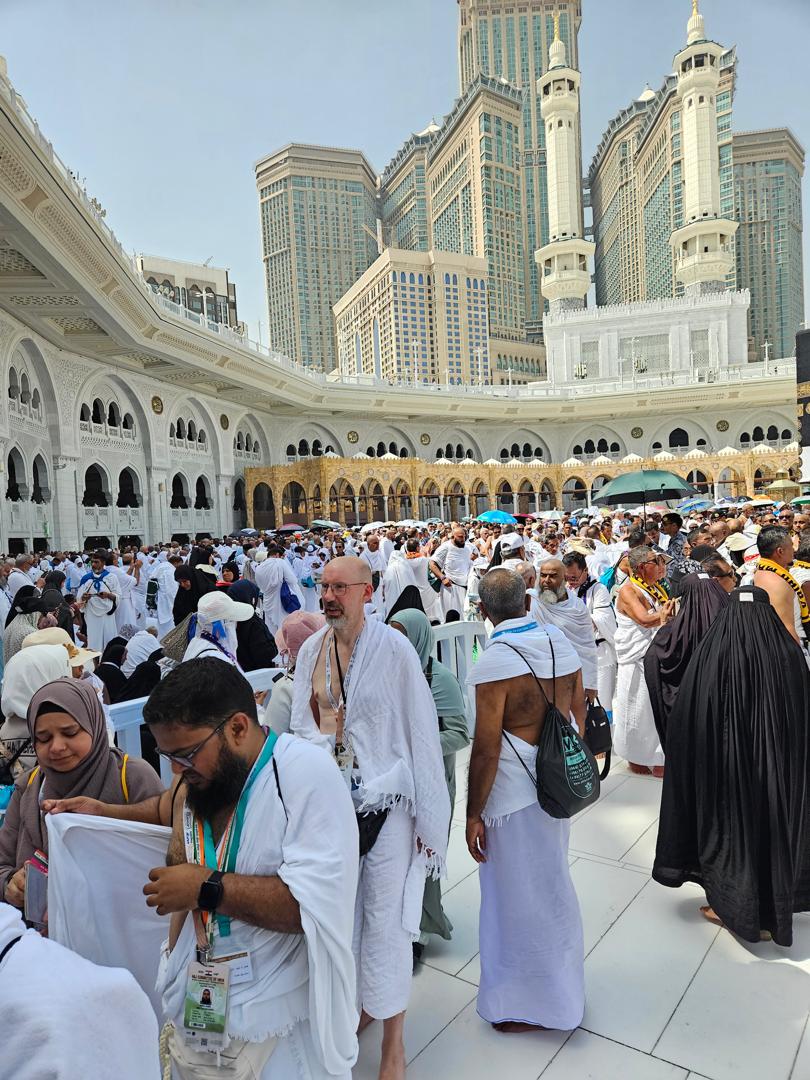
When many people think about Islam, they immediately think of prayer, fasting, zakah, or Hajj. While these are fundamental pillars of the religion, Islam is much more than acts of worship performed at specific times. It is a complete way of life that shapes how a believer thinks, speaks, behaves, and interacts with others.
One of the greatest misconceptions is that a person can be deeply religious while neglecting their character. In reality, Islam does not separate worship from behaviour. A Muslim’s relationship with Allah should be reflected in the way they treat His creation.
The Prophet Muhammad ﷺ was not only sent to teach people how to worship Allah; he was sent to perfect human character.
He said:
“I was only sent to perfect noble character.”
(Musnad Ahmad)
This profound statement reminds us that good manners are not simply social etiquette. They are an essential part of faith and a means of drawing closer to Allah.
What Is Good Character in Islam?
Good character, known in Arabic as Husn al-Khuluq, refers to the qualities that make a person pleasant, trustworthy, compassionate, and just.
It includes honesty, patience, humility, kindness, generosity, forgiveness, respect, sincerity, and fairness.
Good character is not limited to how we behave in the mosque. It is demonstrated in our homes, workplaces, schools, businesses, and even in our interactions with strangers.
The true measure of a believer is not how they behave when everything is going well, but how they conduct themselves when faced with difficulty, disagreement, or temptation.
The Prophet Muhammad ﷺ: The Greatest Example of Character
If anyone wishes to understand the highest standard of character, they need only study the life of the Prophet Muhammad ﷺ.
Allah Himself praised his character, saying:
“And indeed, you are of an exalted standard of character.”
— Qur’an 68:4
Before he received revelation, the people of Makkah already knew him as Al-Amin, meaning “the Trustworthy.”
He was honest in business, gentle with children, respectful towards women, compassionate to the poor, forgiving towards his enemies, and humble despite being the leader of the Muslim community.
When he conquered Makkah after years of persecution, he did not seek revenge. Instead, he forgave those who had harmed him and declared:
“Go, for you are free.”
His mercy and humility remain among the greatest examples of leadership in human history.
Why Does Islam Give So Much Importance to Character?
A person’s character reflects the sincerity of their faith.
Prayer should make a believer more disciplined.
Fasting should make them more patient.
Charity should make them more compassionate.
If acts of worship do not improve a person’s behaviour, then something is missing from their understanding of worship.
The Prophet ﷺ said:
“The most complete of the believers in faith are those with the best character.”
(Jami’ at-Tirmidhi)
Notice that he did not say the strongest believers are those who perform the most voluntary acts of worship. Instead, he connected complete faith with excellent character.
This teaches us that how we treat people is an important measure of our relationship with Allah.
Good Manners Are a Form of Worship
Every kind word, every smile, every act of patience, and every display of honesty can become an act of worship when done sincerely for the sake of Allah.
Helping a neighbour.
Speaking respectfully to parents.
Being patient with a spouse.
Showing kindness to children.
Keeping a promise.
Returning something that was lost.
Forgiving someone who wronged you.
All of these simple actions carry great reward when performed with the intention of pleasing Allah.
This is one of the beauties of Islam.
A believer can earn reward throughout the day without being inside a mosque.
Character Begins at Home
It is easy to appear kind in public.
The true test of character often begins behind closed doors.
How do we speak to our parents?
How do we treat our spouses?
How patient are we with our children?
How respectful are we towards our siblings?
The Prophet ﷺ said:
“The best of you are those who are best to their families, and I am the best among you to my family.”
(Jami’ at-Tirmidhi)
Islam teaches that the people closest to us deserve our best manners, not the leftovers after we have been polite to everyone else.
Good Character in the Digital Age
Today’s world has created new opportunities to demonstrate good character—and new ways to neglect it.
Many people who would never insult someone face-to-face feel comfortable using offensive language online.
False information spreads rapidly because people share content without verifying it.
Arguments become abusive, and disagreements turn into personal attacks.
Islamic character does not disappear when we log onto social media.
A Muslim should be as truthful, respectful, and responsible online as they are in person.
Before posting or sharing anything, a believer should ask:
Is it true?
Is it beneficial?
Will it please Allah?
If the answer is no, it is often better to remain silent.
The Small Manners That Make a Big Difference
Sometimes people think good character requires grand acts of kindness.
In reality, Islam places great value on simple everyday actions.
Greeting others with Salam.
Smiling sincerely.
Listening without interrupting.
Thanking people for their efforts.
Being punctual.
Keeping promises.
Speaking gently.
Removing something harmful from a pathway.
Respecting queues.
Making excuses for people’s mistakes rather than rushing to judge them.
These seemingly small actions build stronger families, healthier communities, and more compassionate societies.
The Reward for Good Character
Few qualities carry as much reward as excellent manners.
The Prophet ﷺ said:
“Nothing will be heavier on the believer’s scale on the Day of Resurrection than good character.”
(Jami’ at-Tirmidhi)
Imagine standing before Allah and finding that years of kindness, honesty, patience, and compassion weigh heavily in your favour.
Good character is not only appreciated in this world; it is an investment for the Hereafter.
How Can We Improve Our Character?
Developing good character is a lifelong process.
Begin by asking Allah to improve your manners, just as the Prophet ﷺ would supplicate for beautiful character.
Reflect on your behaviour at the end of each day.
Ask yourself:
Did I speak kindly today?
Did I control my anger?
Did I fulfil my promises?
Did I treat others fairly?
Study the life of the Prophet ﷺ and try to imitate one aspect of his character each week.
Surround yourself with people whose manners inspire you.
Remember that every improvement, no matter how small, brings you closer to Allah.
Lessons We Can Take Away
Islam is not only about performing acts of worship.
It is about becoming the kind of person whose actions reflect the beauty of the faith.
A believer’s honesty should inspire trust.
Their kindness should comfort others.
Their patience should bring peace.
Their humility should attract hearts.
The greatest form of da’wah is often not a speech or a lecture it is the example set by a person of outstanding character.
Conclusion
The Prophet Muhammad ﷺ left behind more than teachings; he left behind a living example of how Muslims should treat every person they encounter.
Good manners are not optional qualities reserved for exceptionally pious people. They are an obligation upon every believer and one of the clearest signs of genuine faith.
In a world where harshness, selfishness, and division are becoming increasingly common, Muslims have an opportunity to stand out through honesty, compassion, patience, and mercy.
Every smile, every kind word, every act of forgiveness, and every display of integrity brings us closer to the character that Allah loves.
May Allah beautify our character, purify our hearts, make us among those who follow the example of His Messenger ﷺ, and allow our manners to become a source of guidance for others. Ameen.
About the “The Muslim Character” Series
The Muslim Character is a 3SixtyIslam educational series that explores the values, manners, and ethics taught by Islam. Through authentic teachings from the Qur’an and Sunnah, this series provides practical guidance on how Muslims can develop noble character and reflect the beauty of Islam in their daily lives.
Travel with 3SixtyIslam
When it comes to Hajj and Umrah, experience and trust matter. 3SixtyIslam provides reliable packages, proper guidance, and full support from departure to return. We handle the journey so you can focus on your ibadah. Choose a travel partner that understands the responsibility of serving the guests of Allah.
Follow @3SixtyIslam for trusted Hajj and Umrah guidance, authentic Islamic knowledge, inspiring Muslim news, and practical lessons for everyday life.
