


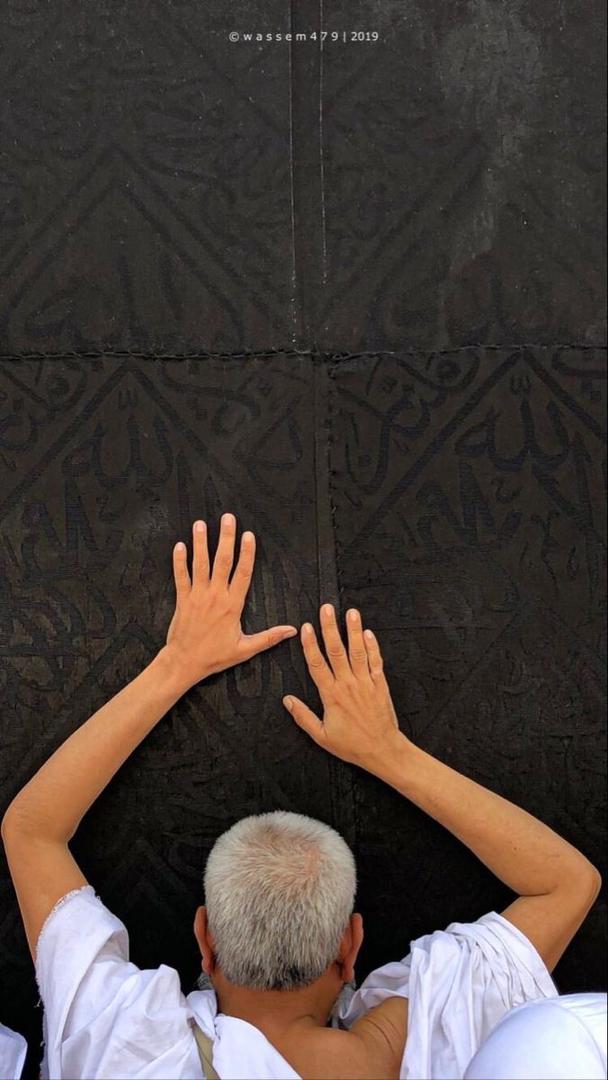
Prayer is the most important act of worship after the declaration of faith. It is performed five times daily and serves as a direct connection between a Muslim and Allah. Yet many people admit that despite praying regularly, they still feel spiritually disconnected.
This can be confusing. If prayer is meant to bring peace and strengthen faith, why do some people continue to feel empty?
The answer is often not that prayer is ineffective. Rather, it is that certain factors reduce its impact.
One common issue is performing prayer as a routine rather than an act of worship. When a person becomes overly familiar with an action, it can become mechanical. The movements are completed correctly, but the mind is occupied elsewhere. The prayer is performed, but little attention is given to its meaning.
Like any important relationship, connection requires engagement. A conversation in which one party is distracted rarely produces closeness. Similarly, prayer requires attention, reflection, and presence.
Another factor is rushing through prayer. Many people view salah as an obligation to complete rather than an opportunity to benefit from. As a result, they move quickly from one position to another without pausing long enough to reflect on what they are reciting.
The Prophet ﷺ prayed with calmness and composure. His prayer was not rushed. Each movement was given its proper attention. This approach helps transform prayer from a task into a meaningful experience.
A lack of understanding can also affect spiritual benefit. Some Muslims recite Qur’anic verses and supplications daily without knowing their meanings. While the reward for recitation remains, understanding adds another dimension. Knowing what is being said allows the heart and mind to engage more deeply.
Spiritual emptiness can also result from what happens outside prayer.
A person may pray regularly but spend the rest of the day neglecting Islamic values. Dishonesty, harmful speech, unresolved grudges, and persistent sinful habits can weaken spiritual growth. Worship does not exist in isolation. Character and conduct influence the overall state of a believer.
Another issue is inconsistency in other forms of worship. Prayer is central, but spiritual health is strengthened through a combination of actions such as reading the Qur’an, making dhikr, giving charity, seeking knowledge, and making dua. When prayer becomes the only spiritual activity in a person’s life, growth can become limited.
Modern distractions also play a role. Constant exposure to social media, entertainment, and information leaves little room for reflection. Many people spend hours consuming content but only a few minutes engaging in worship. Over time, this imbalance affects focus and spiritual awareness.
It is also important to understand that faith naturally fluctuates. Every believer experiences periods of strength and weakness. Feeling spiritually low at times does not necessarily indicate failure. The concern should arise when a person becomes comfortable with that condition and makes no effort to improve it.
For those who feel disconnected, small changes often produce significant results. Learning the meanings of what is recited in prayer, reducing distractions before salah, arriving early for prayer, increasing Qur’an recitation, and making sincere dua for guidance can gradually improve spiritual engagement.
Spiritual fulfilment is not usually achieved through dramatic changes overnight. It develops through consistent effort, reflection, and a genuine desire to strengthen one’s relationship with Allah.
Prayer remains one of the greatest opportunities a Muslim has each day. The challenge is not merely to perform it, but to engage with it in a way that allows its benefits to reach the heart.
