


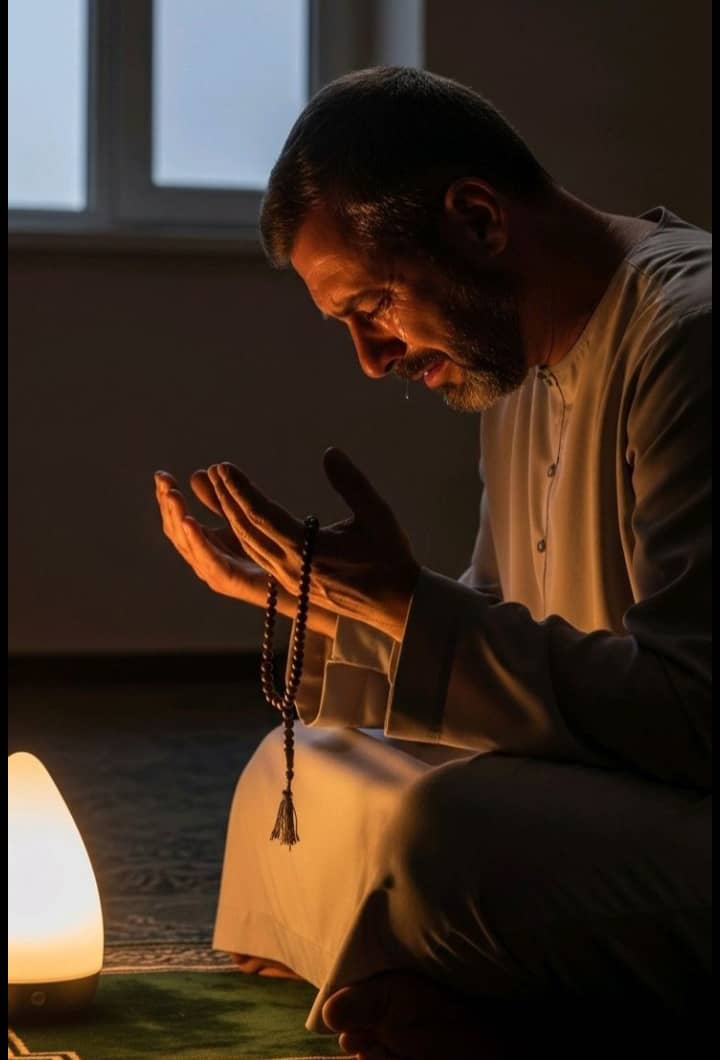
During Ramadan, many believers increase their acts of worship: more salah, more Qur’an, more dua. Yet there is a powerful act of devotion that requires little time but carries immense reward and protection the morning and evening adhkar.
These daily remembrances create spiritual rhythm. They anchor the heart at the beginning and end of each day. They protect the believer from harm, strengthen tawakkul (reliance on Allah), and keep the tongue moist with dhikr.
Allah says in the Qur’an:
“And remember your Lord within yourself in humility and fear, without loudness in words, in the mornings and in the evenings…”
Surah Al-A‘raf 7:205
The Prophet ﷺ was consistent in observing these adhkar. They were not optional extras in his life they were foundational.
Among the well-known supplications he taught:
“Whoever says in the morning and evening: ‘Bismillāhilladhī lā yaḍurru ma‘asmihi shay’un fil-arḍi wa lā fis-samā’, wa Huwa as-Samī‘ul-‘Alīm’ (In the name of Allah with whose name nothing in the earth or the heaven can cause harm, and He is the All-Hearing, All-Knowing) three times, nothing will harm him.”
Sunan Abu Dawud 5088; At-Tirmidhi 3388
Another powerful dhikr:
“Hasbiyallāhu lā ilāha illa Huwa, ‘alayhi tawakkaltu wa Huwa Rabbul-‘Arshil-‘Aẓīm” (Allah is sufficient for me; there is no deity except Him. Upon Him I rely, and He is Lord of the Mighty Throne) seven times in the morning and evening.”
Sunan Abu Dawud 5081
These are not long recitations. They take minutes. But their impact lasts the entire day.
Why are morning and evening adhkar especially important in Ramadan?
First, Ramadan is a season of spiritual vulnerability and elevation at the same time. We are striving, fasting, praying late at night. Shaytan seeks to distract and weaken that effort. These adhkar serve as a shield.
Second, consistency matters. Ramadan is not only about intense bursts of worship; it is about disciplined, sustainable devotion. When you establish morning and evening adhkar in Ramadan, you build a habit that can continue beyond it.
Third, they cultivate awareness of Allah at transitional moments when the day begins and when it closes. This awareness refines intentions and purifies actions.
As believers, we should not overlook simple acts that carry immense barakah. Five to ten minutes after Fajr. Five to ten minutes after Asr or Maghrib. That is enough to transform the spiritual tone of your entire day.
Let this Ramadan not only be about extra worship at night, but about structured remembrance at the edges of your day.
Start tomorrow morning. End tonight with dhikr. Maintain the rhythm.
May Allah make our tongues firm in His remembrance and grant us protection through His words.
