


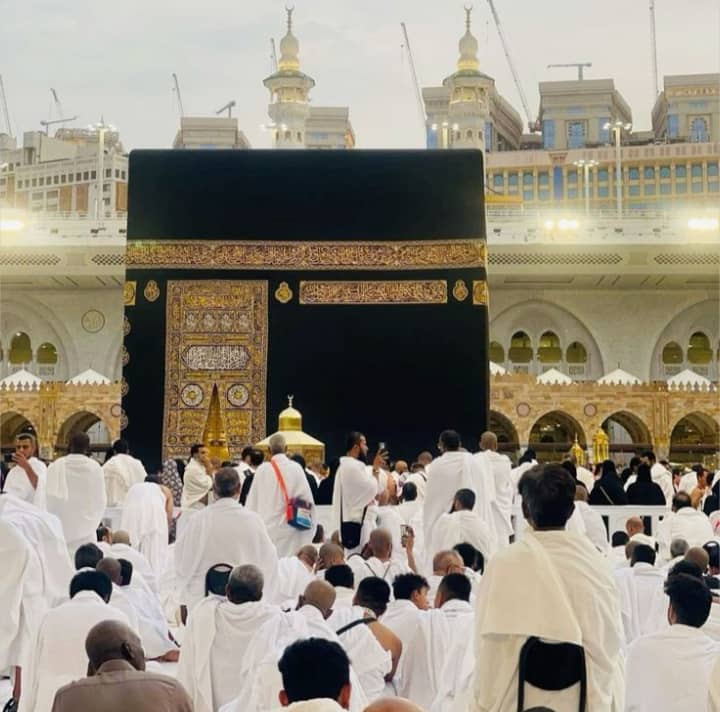
Hajj is not a journey measured in miles, but in surrender. It is the moment when a believer steps out of routine life and walks into a divine invitation. The Prophet Muhammad ﷺ stated with clarity and promise: “An accepted Hajj has no reward except Paradise.” Few statements carry such weight, and fewer acts of worship carry such hope.
An accepted Hajj—Hajj Mabroor—is not defined by perfection of movement alone, but by sincerity of heart and transformation of character. Its signs appear after the pilgrim returns home: softened speech, renewed honesty, humility in behavior, and a deeper awareness of Allah in daily life. The rituals may end in Makkah, but the effect is meant to continue until the final breath.
Historically, Hajj has always been a great equalizer. Kings and laborers, scholars and shepherds, all stand in the same garments, answering the same call. This stripping away of status reflects the reality of the Hereafter, where no title remains only deeds. In this sense, Hajj rehearses the Day of Meeting, reminding the believer that salvation is found in obedience, not identity.
The promise of Paradise for an accepted Hajj does not suggest ease. Hajj demands patience, sacrifice, discipline, and restraint. The pilgrim is commanded to avoid argument, obscenity, and harm, even when tested by crowds, fatigue, and discomfort. Every difficulty becomes part of the purification process, polishing the soul through endurance.
Spiritually, Hajj resets the believer. Sins are erased, not as an escape from responsibility, but as a rebirth into accountability. The pilgrim returns as one newly aware of life’s direction, carrying the memory of standing on ʿArafah a place where duʿa pours out freely and mercy descends without measure.
Paradise is the reward because Hajj aligns the servant fully with submission. It gathers belief, action, patience, generosity, and humility into a single act of devotion. When all of these are accepted by Allah, nothing less than Jannah befits the outcome.
The promise stands as an open invitation. For those preparing to go, it is motivation to purify intention. For those who have returned, it is a reminder to protect what was gained. And for those still longing, it is hope written in certainty: when Hajj is accepted, the destination is already decided.
