


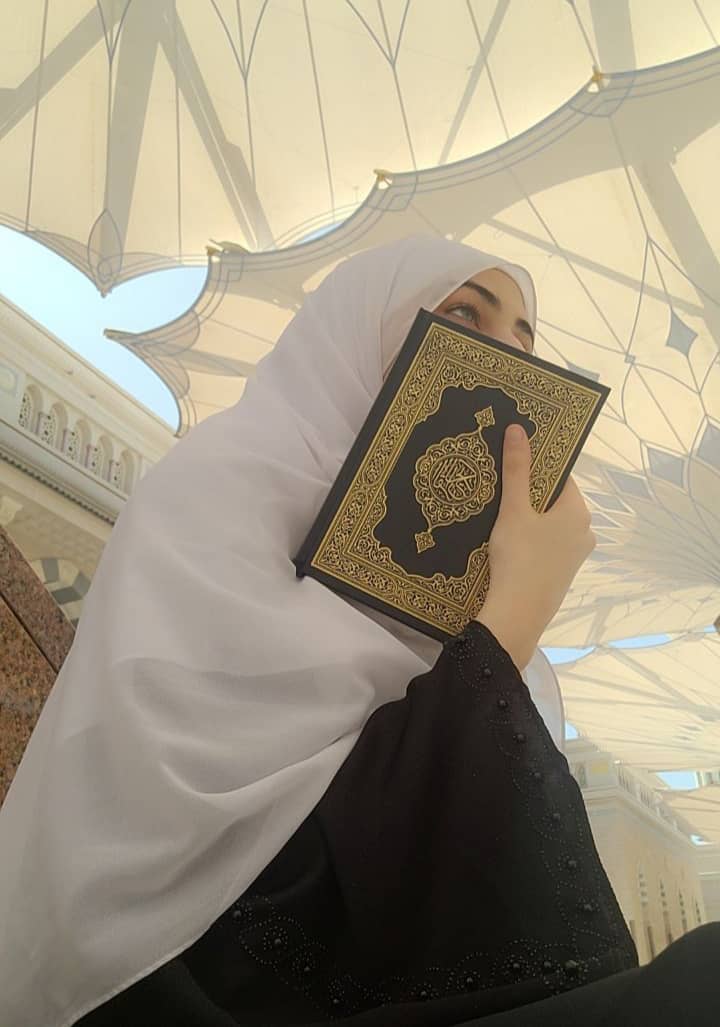
Ramadan often arrives with high expectations. Many intend to read the entire Qur’an, pray every night, give generously, and transform overnight. While noble, these ambitions can sometimes overwhelm the heart. Ramadan’s true power, however, often hides in small deeds done consistently, quietly shaping the soul day by day.
Islam teaches that Allah loves actions that are steady, even if they seem small. A few verses of Qur’an read daily with reflection can outweigh long recitations rushed without presence. Two units of prayer prayed with focus can be heavier on the scale than many performed mechanically. Ramadan trains believers to value sincerity over quantity.
Consistency builds spiritual momentum. When worship becomes part of a daily rhythm after suḥūr, between prayers, before sleep—it stops feeling like an extra burden. It becomes nourishment. This rhythm also protects against the mid-Ramadan fatigue many experience when early enthusiasm fades. Small, realistic goals help the heart remain engaged until the very end.
Ramadan is also a test of character in ordinary moments. Lowering the gaze, holding back anger, smiling at others, and forgiving quietly are acts often overlooked. Yet these moments define the spiritual quality of a fast. Hunger alone does not purify; intention and conduct do. In this way, Ramadan reshapes not only what we do, but who we are.
Charity in Ramadan follows the same principle. Not everyone can give large amounts, but everyone can give something time, attention, kindness, or resources. A meal shared, a debt eased, or a sincere duʿāʾ for someone else carries weight when done for Allah alone. These small acts ripple outward, strengthening the bonds of the Ummah.
As Ramadan 2026 unfolds, remember that transformation rarely arrives dramatically. It comes quietly, through repeated choices made for Allah. Small deeds, done with love and consistency, have a way of changing hearts often more deeply than we ever expect.
