


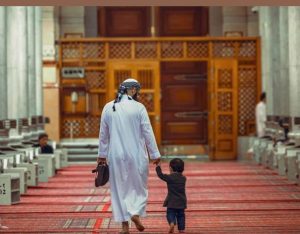
Raising a child in Islam is a journey filled with small, sacred moments. Among the most important of these moments is introducing a child to Salah. Prayer is the spine of a Muslim’s life, and helping a child build that spine early shapes who they become spiritually, emotionally, and morally. The question many parents ask is simple: When should we begin?The answer, in the Islamic tradition, is both practical and deeply nurturing.
Children can be introduced to Salah long before they understand what prayer means. Toddlers often mimic the adults around them. When they see their parents bow, stand, whisper Qur’an, or make sujood, they eagerly try to copy those motions with pure innocence. At this early stage two, three, four years old the goal is not correctness. It’s comfort. Children who grow up seeing prayer as a peaceful part of daily life start to associate Salah with safety, calm, and closeness. Those early impressions settle deep into their hearts.
By the time a child reaches age seven, the prophetic instruction becomes clear: this is the moment to teach them Salah consciously. Seven is a tender age where understanding meets curiosity. Children begin to take pride in doing things “properly.” They love learning step-by-step routines, they appreciate praise, and they want to feel responsible. Teaching Salah at this age means walking them through the movements, helping them memorize the words, explaining the times of prayer, and showing them how to stand before Allah with humility and focus. This stage is about building familiarity and joy, not pressure.
Then comes age ten, a turning point in Islamic upbringing. The Prophet ﷺ instructed parents to reinforce Salah firmly at this stage. It’s not about anger or force; it is about seriousness and consistency. A ten-year-old can understand responsibility and the importance of discipline. This age is when parents help children realize that Salah is not optional it is a foundational pillar of a believer’s life. With gentle firmness, parents guide children to pray on time, maintain the routine, and understand the weight of this act of worship.
The beauty of this gradual approach is that it mirrors the way a child’s heart and mind develop. Islam never expects a child to leap into obligations suddenly. It respects their capacity, stages of growth, and natural curiosity. First they imitate, then they learn, then they commit. This rhythm allows Salah to grow with them rather than be forced upon them.
Parents who nurture Salah early often witness something extraordinary: Children begin to see prayer not as a burden, but as a refuge. When they are sad, they instinctively turn to sujood. When they are scared, they remember du’a. When life overwhelms them even as teenagers or adults they return to the anchor planted in their early years.
Teaching Salah isn’t only about movements and words. It is about helping a child discover that Allah is always near, always listening, always responding. When that connection starts early, the heart learns where to return long before the world becomes heavy.
A home where Salah is visible, loving, and consistent becomes a place where faith grows naturally. From toddler imitation to childhood learning to early responsibility, each stage opens a door to a lifelong bond with Allah.
