


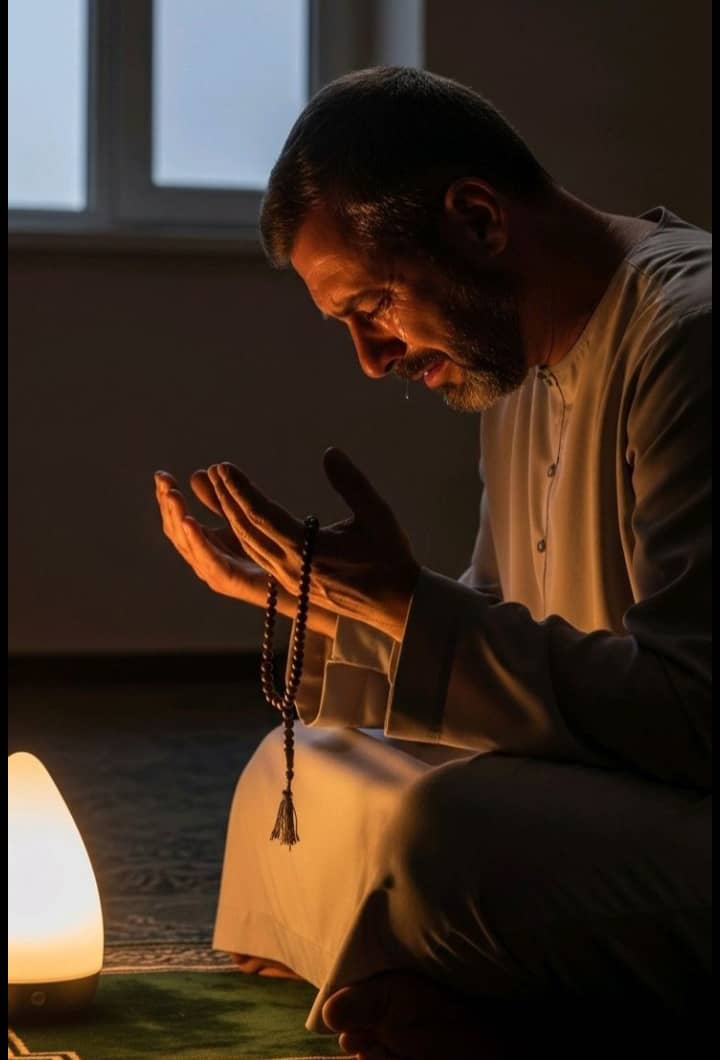
There are moments when life becomes so busy that a person can go through an entire day without consciously remembering Allah. They wake up, check their phone, rush through their responsibilities, communicate with friends, study, work, eat, scroll through social media and eventually go to sleep. Allah may be mentioned during Salah, but outside those moments, the heart can become distracted by everything else.
This is why dhikr is so important.
Dhikr means remembering Allah. It includes praising Him, glorifying Him, thanking Him, seeking His forgiveness and mentioning Him with words that He has taught us. But dhikr is more than repeating phrases with the tongue. It is a way of keeping Allah present in your consciousness throughout your daily life.
Allah says, “So remember Me; I will remember you. And be grateful to Me and do not deny Me.” (Qur’an 2:152).
There is something deeply powerful about that promise. A human being can spend years trying to be noticed by other people, trying to gain followers, seeking approval and worrying about what others think. Yet Allah tells His servants that when they remember Him, He remembers them.
What greater honour could a believer seek?
Dhikr also gives the heart something it desperately needs: connection with its Creator. Allah says, “Verily, in the remembrance of Allah do hearts find rest.” (Qur’an 13:28).
This does not mean that a Muslim who remembers Allah will never experience sadness, anxiety, disappointment or difficult circumstances. Life will still contain tests. The difference is that the believer does not have to face those experiences while feeling completely disconnected from Allah.
Dhikr reminds the heart that Allah is near.
For a young Muslim, this can be especially important. Youth can come with uncertainty about education, relationships, friendships, money, identity and the future. There may be pressure to succeed and pressure to fit in. Sometimes the mind becomes overwhelmed by questions about what will happen next.
Dhikr can bring the heart back to what matters most.
Instead of allowing the mind to constantly race from one worry to another, a Muslim can pause and remember Allah.
SubhanAllah.
Alhamdulillah.
Allahu Akbar.
La ilaha illallah.
Astaghfirullah.
These are not merely words. They are reminders of who Allah is and where the believer’s heart should remain connected.
When you say SubhanAllah, you glorify Allah and recognise His perfection.
When you say Alhamdulillah, you acknowledge His blessings.
When you say Allahu Akbar, you remind yourself that Allah is greater than whatever is worrying you.
When you say La ilaha illallah, you renew the foundation of your faith: that none deserves worship except Allah.
When you say Astaghfirullah, you recognise your mistakes and turn back to your Lord.
The beauty of dhikr is that it does not require a special location.
You can remember Allah while walking.
You can remember Allah while travelling.
You can remember Allah while waiting for an appointment.
You can remember Allah after finishing your work.
You can remember Allah before sleeping.
You can remember Allah when something good happens.
You can remember Allah when something goes wrong.
A young person does not need to abandon their normal life to become someone who remembers Allah frequently. Rather, they can bring the remembrance of Allah into their normal life.
Imagine the difference between reaching for your phone every time you have a spare minute and occasionally using that moment to remember Allah.
Imagine sitting in traffic and instead of spending the entire journey complaining, using part of the time for dhikr.
Imagine walking somewhere with your earphones out and quietly remembering Allah.
Small moments can become opportunities for worship.
The Prophet Muhammad ﷺ encouraged his companions to keep their tongues moist with the remembrance of Allah. This shows that dhikr was not intended to be an occasional activity. It was meant to become part of the believer’s life.
But there is another important side to dhikr: consistency.
Many people become enthusiastic about worship for a few days and then stop. They may decide to recite hundreds of adhkar every day, maintain the routine for a short period and then become overwhelmed.
A better approach is to begin with something manageable.
Build a routine that you can maintain.
Perhaps you make a habit of saying the morning and evening adhkar. Perhaps you consistently say Astaghfirullah during quiet moments. Perhaps you make it a habit to praise Allah after receiving something good. Perhaps you remember Allah before sleeping.
The goal is not simply to do a large amount once.
The goal is to develop a heart that remembers Allah regularly.
Dhikr can also change the way a person behaves.
When Allah is frequently remembered, a Muslim becomes more conscious of Him. Before speaking harshly, they may remember that Allah hears them. Before cheating, they may remember that Allah sees them. Before looking at something forbidden, they may remember that Allah knows what they are doing.
This is where dhikr connects with taqwa.
The more a person remembers Allah, the harder it becomes to treat obedience as something separate from everyday life.
Dhikr is therefore not meant to remain on the tongue while the rest of a person’s behaviour goes in the opposite direction.
If someone spends an hour making dhikr and then deliberately uses their tongue to destroy someone’s reputation, they need to understand that remembrance should influence character.
If someone remembers Allah frequently but continues to cheat people, lie or mistreat others without concern, something needs to change.
True remembrance should gradually affect the heart.
This is why dhikr is one of the simplest yet most powerful forms of worship. It does not require wealth. It does not require a particular age. It does not require a special talent. It simply requires a believer to remember the One who created them.
And perhaps that is exactly what many people need in a world filled with distraction.
We remember celebrities.
We remember influencers.
We remember footballers.
We remember brands.
We remember trending sounds.
We remember what people said about us.
But how often do we deliberately remember Allah?
The heart cannot remain empty. Something will occupy it. If we constantly fill it with people, entertainment, status and worldly concerns, there may be little space left for remembrance of Allah.
Dhikr helps put everything back into perspective.
It reminds us that our problems are not bigger than Allah.
Our ambitions are not more important than Allah.
Our possessions do not define us.
Other people’s opinions do not determine our worth.
And the future, which we spend so much time worrying about, is already known to Allah.
So make dhikr part of your life.
Do not wait until you are old.
Do not wait until you become more religious.
Do not wait until life becomes difficult.
Start now.
Remember Allah when you are happy. Remember Him when you are worried. Remember Him when you are alone. Remember Him when everything is going well.
Because the person who trains their tongue to remember Allah throughout ordinary moments is also training their heart to remain connected to Him.
And when the heart remembers Allah, the believer begins to see life differently.
The world is still the world.
The problems are still there.
The responsibilities are still there.
But the heart knows that it is not facing them alone.
