


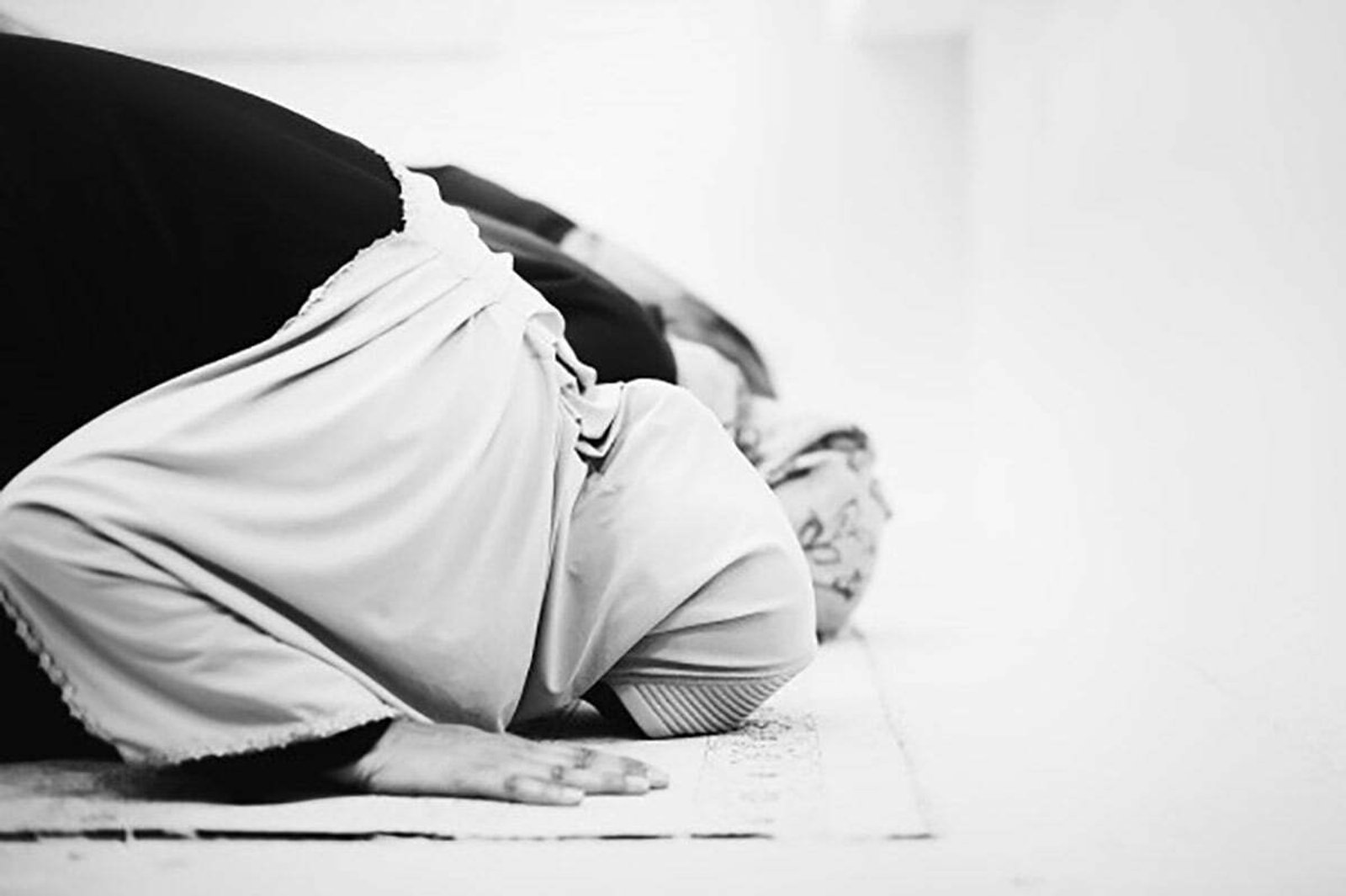
One of the clearest signs of sincere faith is what a person does when there is no audience. When nobody is watching, nobody is praising them and nobody would ever know what they chose to do, the heart is left alone with its relationship with Allah.
This is where sincerity becomes real.
It is easy to behave well when people are watching. We naturally become more conscious of our words and actions when we know someone is observing us. We may appear more generous, more disciplined and more religious because we know others can see what we are doing. But Islam teaches the Muslim to develop something deeper: an awareness that Allah sees what people see and what they never see.
Allah says in the Qur’an, “He knows the secret and what is even more hidden.” (Qur’an 20:7). Nothing about a person’s private life is outside His knowledge.
That awareness can completely change the way a Muslim lives.
A person who understands that Allah sees them does not need an audience before doing what is right. They do not need people to know that they gave charity. They do not need recognition for waking up to pray. They do not need to announce every good deed. Their relationship with Allah can exist in places where nobody else has access.
There is something particularly powerful about private acts of worship. A quiet du‘a made when nobody knows what you are going through, a few verses of Qur’an read alone, a secret act of charity, helping someone without telling anyone or walking away from a sin simply because you know Allah would not be pleased with it—these moments reveal something about the heart.
The Prophet Muhammad ﷺ warned about showing off in worship, teaching Muslims to be careful about seeking people’s admiration instead of Allah’s pleasure. The problem is not that people see a good deed. The problem is when being seen becomes the reason for doing it.
This is especially relevant today because modern life makes it incredibly easy to display almost everything.
A person can photograph their meal, their journey, their achievements, their charity, their worship-related activities and their lifestyle and share them with hundreds or thousands of people within seconds. Social media is not automatically wrong, but it creates a new challenge for sincerity: learning to keep some things between yourself and Allah.
Not everything meaningful needs to be displayed.
There should be parts of your relationship with Allah that nobody else knows about.
Perhaps there is a du‘a you make every day that nobody has heard. Perhaps you regularly help someone without telling anyone. Perhaps there is a sin you once struggled with but quietly left for Allah’s sake. Perhaps you wake up before Fajr and nobody in your household knows. Perhaps you make istighfar while travelling to work.
These private moments can become precious because they are not dependent on applause.
Obeying Allah privately also means resisting sins when you believe you can get away with them.
This can be one of the hardest forms of self-discipline. When there are no consequences from people, no embarrassment and no fear of being exposed, what stops a person from doing something wrong?
For the believer, the answer is consciousness of Allah.
That does not mean a Muslim never struggles with temptation. It means that the awareness of Allah becomes stronger than the desire to satisfy every impulse.
A person may have the opportunity to lie and benefit from it, but chooses honesty. They may find money that does not belong to them, but return it. They may have access to someone’s private information, but refuse to misuse it. They may be able to insult someone online anonymously, but remain silent. They may encounter something sinful when nobody else is around, but turn away.
Nobody may ever know what they chose.
But Allah knows.
This is why taqwa is such a powerful concept in Islam. It is not merely fear. It is a conscious awareness of Allah that influences how a person behaves. It gives the believer an internal moral compass.
When that awareness becomes strong, a person does not need someone standing over them every moment telling them what is right and wrong.
They begin to regulate themselves.
This principle also applies to responsibilities that seem small. Returning a borrowed item, keeping a promise, completing work honestly, avoiding unnecessary gossip, respecting someone’s privacy and refusing to take advantage of another person’s weakness may never attract public attention. Yet these ordinary choices matter.
A person’s private behaviour eventually shapes their public character.
The goal is therefore not to create a religious image. It is to become a person whose private and public lives are both guided by the same consciousness of Allah.
There may be things you do publicly because they are beneficial for others. There may also be things you should deliberately keep private because they are between you and your Lord. Finding that balance is part of protecting sincerity.
The beautiful thing about private obedience is that it does not require a large platform, wealth, influence or recognition. Anyone can practise it.
A young Muslim can do it.
A parent can do it.
A student can do it.
A business owner can do it.
Someone with thousands of followers can do it, and someone with none can do it.
It begins with a simple understanding: Allah is present in every part of your life, including the parts nobody else sees.
When that understanding becomes deeply rooted, obedience stops being a performance for people and becomes a response to the One who created you.
And perhaps some of the most important moments in your journey with Allah will be the moments nobody else ever sees.
