


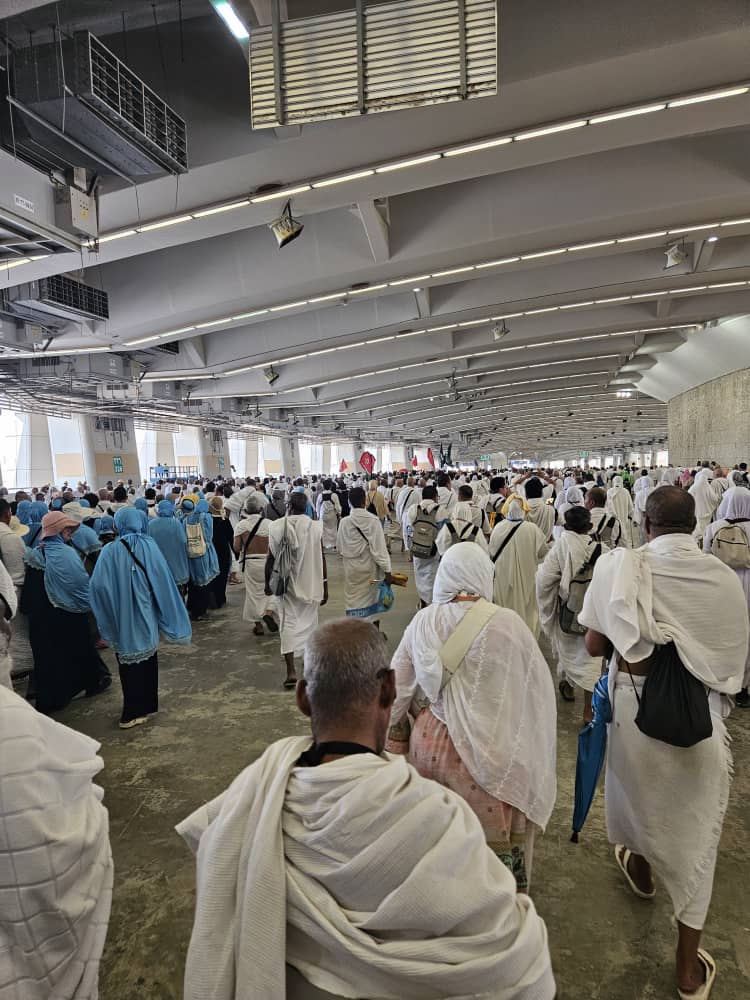
For every Muslim who is granted the opportunity to perform Umrah, the time spent in Makkah and Madinah is among the most valuable days of their life. It is not an ordinary trip, and it should not be treated casually. Every hour in the Haramain carries potential for immense reward.
However, many pilgrims return home feeling that they could have used their time better. The difference often lies in how intentionally the journey is approached.
Making the most of every moment begins with understanding that time in the holy cities is limited. A pilgrim may stay for a few days or a few weeks, but once the journey ends, that opportunity does not return in the same form. This awareness should influence how each day is planned.
One of the most important priorities is the five daily prayers in congregation. Performing Salah in Masjid al-Haram or Masjid an-Nabawi carries immense reward, and pilgrims should ensure that their schedule revolves around prayer times. Other activities should be planned around them, not the other way around.
In addition to the obligatory prayers, voluntary worship should be increased. This includes extra prayers, recitation of the Qur’an, dhikr, and frequent supplication. The environment of the Haramain naturally encourages worship, and pilgrims should take advantage of this spiritual atmosphere.
Another important aspect is maintaining focus during worship. It is easy to become distracted by crowds, noise, or personal concerns. However, a pilgrim should try to remain mentally present during prayer and make sincere effort in their supplications. Even small moments of focused worship can have lasting impact.
Time management is also essential. Without planning, days can pass quickly with little structure. Some pilgrims spend excessive time on shopping, sightseeing, or resting, leaving limited time for acts of worship. While rest and necessary activities are important, they should not dominate the schedule.
A balanced daily routine can help ensure that worship remains the priority. Allocating specific periods for prayer, Qur’an recitation, rest, meals, and other activities helps maintain focus and prevents unnecessary time loss.
Another key point is reducing distractions, particularly mobile phone usage. While phones are useful for communication and guidance, excessive use for social media, photography, or entertainment can significantly reduce the spiritual benefit of the journey. Pilgrims should be mindful of how much time they spend on devices.
Acts of kindness and good character also play an important role. Helping fellow pilgrims, showing patience in crowded situations, speaking politely, and avoiding arguments all contribute to the quality of the journey. These behaviours are part of worship and should not be overlooked.
In Madinah, pilgrims should also spend time sending salutations upon the Prophet ﷺ and reflecting on his life and teachings. The peaceful environment of the Prophet’s Mosque provides a valuable opportunity for reflection and spiritual connection.
Making sincere dua is another essential use of time. Makkah and Madinah are among the best places for supplication. Pilgrims should take time to make personal duas, pray for their families, the Muslim Ummah, and ask Allah for guidance, forgiveness, and a good ending.
It is also beneficial to reflect on personal life during the journey. Being away from daily routines provides space for self-evaluation. A pilgrim can think about their habits, relationships, and level of commitment to Islam, and consider what needs to change after returning home.
Ultimately, making the most of time in the Haramain is about intention and awareness. A pilgrim who consciously values each moment is more likely to benefit spiritually than someone who allows the journey to pass without reflection.
When the journey is approached with sincerity, discipline, and focus, even ordinary moments become meaningful. The time spent in Makkah and Madinah then becomes not just a memory, but a lasting source of spiritual transformation.
