


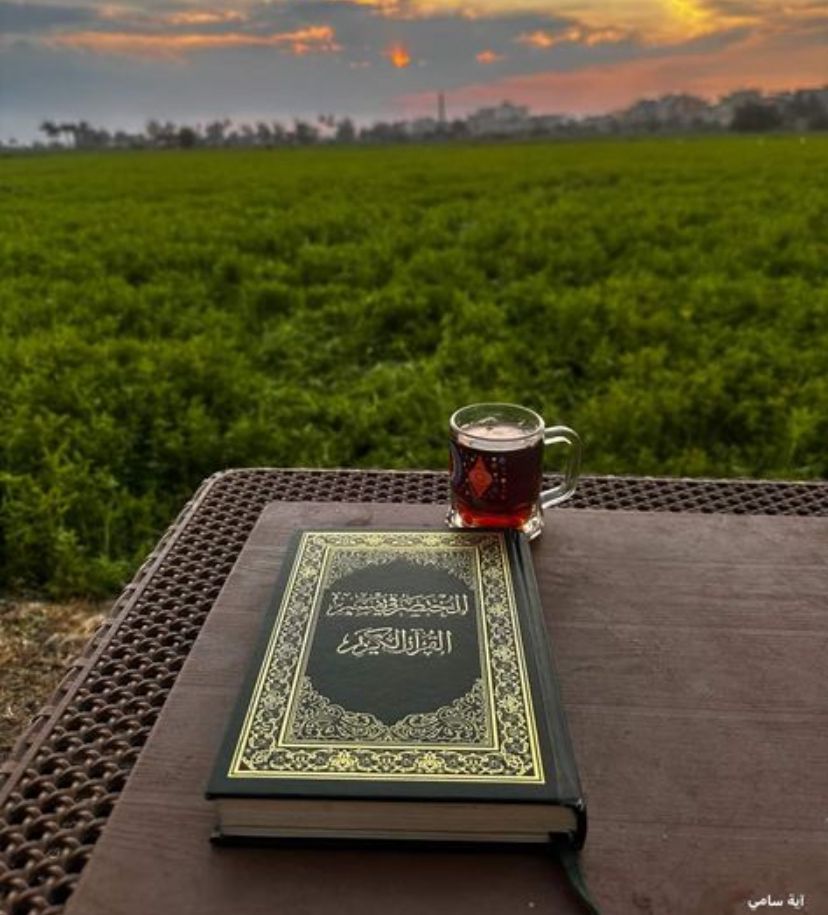
Time is one of the greatest blessings that Allah has bestowed upon mankind. Every individual is given the same twenty-four hours each day, regardless of wealth, social status, or occupation. What distinguishes people is not the amount of time they possess but how they choose to use it.
Islam places great emphasis on the proper use of time because it is a resource that can never be recovered. Wealth that is lost may be earned again, and opportunities that are missed may sometimes return, but every minute that passes is gone forever. For this reason, Muslims are encouraged to value time and use it in ways that benefit both their worldly lives and their Hereafter.
One of the greatest challenges facing Muslims today is the increasing number of distractions competing for their attention. Mobile phones, social media platforms, streaming services, online games, and endless entertainment consume several hours of many people’s lives each day. While these technologies have beneficial uses, they often become tools that encourage excessive leisure at the expense of worship, family responsibilities, education, and productive work.
Many people do not intentionally decide to waste an entire day. Instead, they postpone important tasks by telling themselves they will spend only a few minutes browsing social media or watching videos. Those few minutes often become hours, leaving little time for meaningful activities. This pattern, when repeated daily, results in weeks, months, and even years being spent with little personal or spiritual progress.
Another way people waste time is through unnecessary arguments and discussions. Modern communication platforms have made it easy for individuals to spend hours debating issues that produce no practical benefit. Islam encourages believers to speak when there is benefit in speaking and to avoid idle conversation that leads to conflict, backbiting, or division.
Procrastination is another major cause of wasted time. Some people delay repentance, assuming they will return to Allah later in life. Others postpone seeking Islamic knowledge, improving their character, or repairing damaged relationships. The reality is that no one knows how much time Allah has allotted to them. Delaying good deeds is a dangerous habit because tomorrow is never guaranteed.
A productive Muslim understands that every day presents opportunities to earn reward. Reading the Qur’an, performing prayers on time, helping family members, earning a lawful income, seeking beneficial knowledge, visiting relatives, and assisting those in need are all meaningful ways to invest time. These activities not only improve a person’s life in this world but also contribute to their success in the Hereafter.
Regular self-assessment is essential in managing time effectively. A Muslim should periodically ask themselves whether they are spending more time on activities that benefit them or on those that merely entertain them. Honest reflection can help identify habits that need to change before they become deeply rooted.
Parents also have an important responsibility to teach children the value of time. Young people who are encouraged to develop healthy routines, balance recreation with responsibility, and understand the importance of worship are more likely to become disciplined adults.
Making good use of time does not mean eliminating rest or recreation. Islam encourages balance and recognises the need for relaxation. However, leisure should remain within reasonable limits and should not interfere with religious obligations, family responsibilities, or personal development.
Every day that Allah grants a believer is an opportunity to increase in knowledge, worship, and good deeds. A wise Muslim understands that time is a trust from Allah and strives to use it responsibly. Those who value their time are more likely to achieve success in this life while also preparing for the life to come.
