
QURBANI FAQ: EVERYTHING YOU NEED TO KNOW ABOUT THE RITUAL OF SACRIFICE IN ISLAM

Qurbani, also known as Udhiyah, is a topic of great importance and frequent discussion within the Muslim community—especially as the festival of Eid-ul-Adha 2025 approaches. As Muslims, it’s vital to understand our religious obligations and take the initiative to educate ourselves on sacred practices such as Qurbani, which offer profound spiritual lessons rooted in obedience, humility, and compassion.
At Muslim Aid, our mission is to keep our community informed—from the most basic questions to the deeper elements of faith. If you’re wondering about the rules, requirements, or significance of Qurbani in Islam, this comprehensive guide will provide clarity.
WHAT IS QURBANI IN ISLAM?
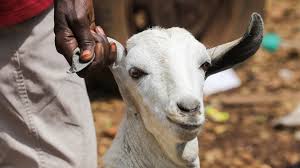
Qurbani is the ritual sacrifice of an animal, performed during Eid-ul-Adha. The sacrifice typically involves a goat, sheep, cow, or camel, and is carried out to commemorate the story of Prophet Ibrahim (AS). In a moment of immense faith, Ibrahim was prepared to sacrifice his son Ismail (AS) in obedience to Allah’s command. Allah, in His mercy, replaced Ismail with a ram—signifying the acceptance of Ibrahim’s devotion.
Qurbani is more than a ritual—it is an act of gratitude, submission, and charity. The sacrificed meat is divided into three parts: one-third for the family, one-third for relatives and friends, and one-third for the poor and needy—ensuring that the joy of Eid reaches all corners of the community.
IS QURBANI MANDATORY IN ISLAM?
The obligation of Qurbani depends on the Islamic school of thought:
According to the Hanafi school, Qurbani is wajib (necessary) for every adult Muslim who possesses wealth equal to or above the Nisab threshold.
In other schools, Qurbani is considered Sunnah Mu’akkadah, a highly recommended and emphasized act of worship practiced by the Prophet Muhammad (PBUH).
Regardless of the ruling, Qurbani carries immense spiritual reward and is a cherished way to draw closer to Allah.
HOW MUCH IS QURBANI PER PERSON?
The cost of Qurbani varies based on the animal chosen and the region where the sacrifice is performed.
One sheep or goat fulfills the obligation for one person.
Cows or camels can be divided into seven shares, making them suitable for group Qurbanis.
WHO SHOULD GIVE QURBANI?
Every sane, adult Muslim who meets the Nisab financial threshold is expected to offer Qurbani. This applies to both men and women. If you are eligible to pay Zakat, you are generally eligible to perform Qurbani.
More than a personal act of devotion, Qurbani is a communal act of generosity that can uplift families and transform lives—especially in regions where meat is a rare luxury.
WHEN IS QURBANI PERFORMED?
Qurbani is carried out during Eid-ul-Adha, specifically from the 10th to the 12th of Dhul Hijjah.
The sacrifice must take place after the Eid prayer on the first day and can continue until sunset on the third day.
If you choose to donate your Qurbani through Muslim Aid, rest assured that all sacrifices are performed within the correct timeframe and in accordance with Islamic guidelines.
CAN YOU GIVE QURBANI FOR A CHILD?
Children are not required to perform Qurbani as they are not considered mukallaf (accountable under Islamic law). However, parents may offer Qurbani on their behalf as a voluntary act of charity. This thoughtful gesture can help instil values of giving and compassion from an early age.
CAN YOU GIVE QURBANI FOR THE DECEASED?
Yes, it is permissible to offer Qurbani on behalf of deceased loved ones. Many scholars view this as a form of Sadaqah Jariyah (ongoing charity), especially if the person regularly performed Qurbani during their lifetime or expressed the wish to do so.
Families often perform extra Qurbanis in the name of deceased parents or grandparents as a tribute of remembrance and mercy.
WHY DO MUSLIMS PERFORM QURBANI?
Muslims perform Qurbani to honour the devotion and sacrifice of Prophet Ibrahim (AS) and to demonstrate their own obedience to Allah. It is a deeply spiritual act that promotes values such as generosity, compassion, and community care.
By distributing the meat of the sacrificed animal, Muslims ensure that the spirit of Eid reaches everyone—especially those most in need. It is a powerful reflection of faith in action and a revival of the Sunnah of Prophet Muhammad (PBUH).
