

SAUDI ARABIA REJECTS NIGERIA’S REQUEST FOR ADDITIONAL 2027 HAJJ SLOTS, NAHCON URGES COMPLIANCE WITH REGISTRATION DEADLINE

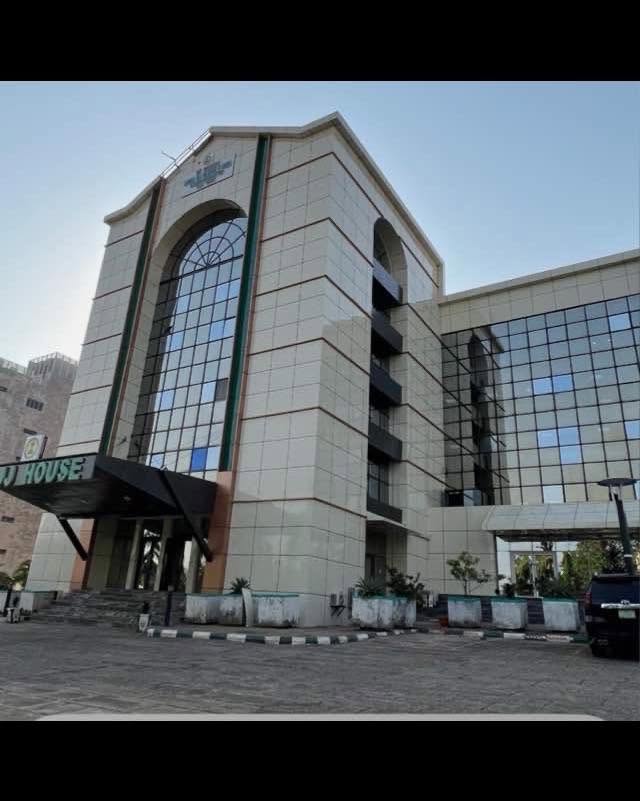
The National Hajj Commission of Nigeria (NAHCON) has announced that Saudi Arabia has declined Nigeria’s request for an increase in its allocation for the 2027 Hajj, leaving the country’s approved quota unchanged at 50,000 pilgrims.
NAHCON said it had formally engaged the Saudi Ministry of Hajj and Umrah to seek additional pilgrimage slots in response to the growing demand from intending Nigerian pilgrims and requests from several State Pilgrims Welfare Boards for increased allocations.
However, the Saudi authorities reportedly communicated their inability to approve the request, citing capacity limitations, structural constraints at the holy sites and the Kingdom’s policy of maintaining approved country quotas under the current Hajj operational framework.
Under the existing allocation, Nigeria will have 35,000 slots for government-sponsored pilgrims and 15,000 slots for pilgrims travelling through licensed tour operators, bringing the total approved allocation for the country to 50,000 pilgrims.
Commenting on the development, the Chairman and Chief Executive Officer of NAHCON, Ambassador Ismail Abba Yusuf, acknowledged the disappointment the decision may cause intending pilgrims, state pilgrim boards and other stakeholders who had anticipated an increase in the quota.
He said the Commission had explored available diplomatic and operational channels in an effort to secure additional slots but would respect the final decision of the Saudi authorities.
“We appreciate the deep spiritual desire of many Nigerian Muslims to perform Hajj and understand the expectations of states and stakeholders seeking additional slots. While every effort was made to secure an upward review, the Saudi authorities have communicated their final position based on operational realities and capacity considerations,” Ambassador Yusuf stated.
The NAHCON Chairman consequently urged State Pilgrims Welfare Boards, agencies and licensed tour operators to make judicious and transparent use of their approved allocations and ensure full compliance with all registration and data-submission requirements.
He specifically reminded stakeholders that the deadline for uploading the details of all prospective pilgrims for the 2027 Hajj remains September 26, 2026.
According to him, the deadline is final and no extension will be granted.
“Kindly note that the deadline for uploading prospective pilgrims’ data remains September 26, 2026. We urge all partners, state pilgrim boards, tour operators and representatives to ensure that all required information is submitted before this date, as no extensions will be granted,” he said.
Ambassador Yusuf also urged Muslims who may be unable to secure a place under the 2027 allocation not to lose hope, noting that preparations for the following Hajj season have already commenced.
He disclosed that registration for the 2028 Hajj has officially opened, allowing individuals who are unable to secure a 2027 slot to begin preparations for the subsequent pilgrimage season.
“Individuals who were unable to secure a slot for the upcoming Hajj are encouraged to register for the 2028 Hajj. The Commission has officially opened the registration portal for this period, and applications are now being accepted,” he added.
The NAHCON Chairman reaffirmed the Commission’s commitment to transparency, equity and the welfare of Nigerian pilgrims, while assuring stakeholders that preparations for the 2027 Hajj are progressing.
He further disclosed that additional information on operational guidelines and the implementation of the new business-to-business framework for the 2027 Hajj would be communicated through official NAHCON channels.
The Commission appealed to State Pilgrims Welfare Boards, licensed tour operators, prospective pilgrims and other stakeholders to cooperate with the established registration timelines and quota arrangements.
NAHCON explained that adherence to the Saudi-approved quota system is a requirement applicable to participating countries and is intended to support effective planning, crowd management and the smooth conduct of the annual pilgrimage.
