


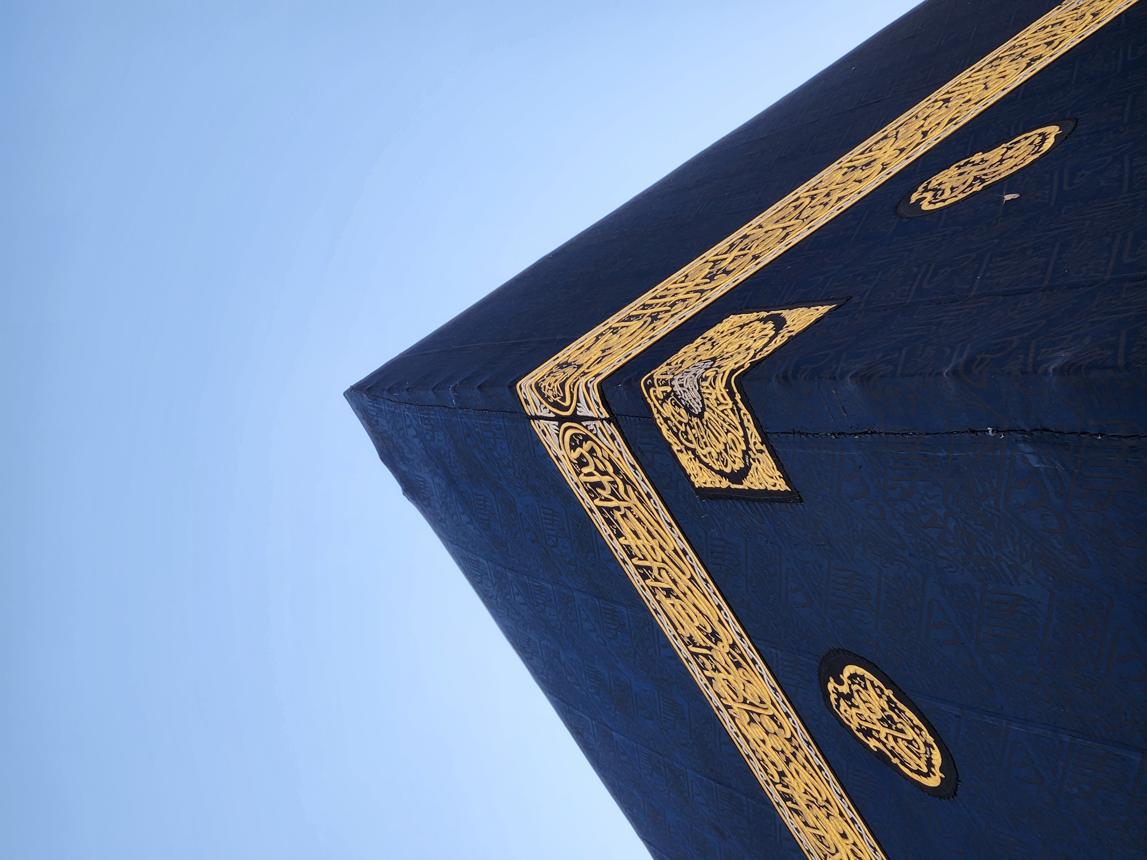
Many Muslims dream of visiting the Sacred House of Allah in Makkah, but not everyone fully understands the difference between Hajj and Umrah. Because both pilgrimages involve the Ka’bah, Ihram, Tawaf, and Sa’i, they are sometimes assumed to be the same act of worship.
In reality, Hajj and Umrah are two distinct forms of worship. While they share some similarities, they differ in their ruling, timing, rituals, and significance.
Understanding these differences helps Muslims appreciate the unique place each pilgrimage holds in Islam and prepare correctly for the journey they intend to undertake.
WHAT IS UMRAH?
Umrah is often referred to as the “lesser pilgrimage.” It is an act of worship performed by visiting the Sacred Mosque in Makkah and carrying out specific rites prescribed by Allah and His Messenger ﷺ.
The essential rites of Umrah include:
- Entering the state of Ihram from the Miqat.
- Making the intention for Umrah.
- Reciting the Talbiyah.
- Performing Tawaf around the Ka’bah.
- Performing Sa’i between Safa and Marwah.
- Shaving or trimming the hair.
Although shorter than Hajj, Umrah is a highly rewarding act of worship that offers an opportunity for spiritual renewal and forgiveness.
WHAT IS HAJJ?
Hajj is one of the Five Pillars of Islam and is obligatory once in a lifetime for every Muslim who is physically, financially, and safely able to perform it.
Allah says:
“And pilgrimage to the House is a duty owed to Allah by all people who are able to undertake it.”
(Qur’an 3:97)
Unlike Umrah, Hajj includes additional rites performed over several days in and around Makkah, including Mina, Arafah, Muzdalifah, and the symbolic stoning of the Jamarat.
Hajj is not only a physical journey but one of the greatest acts of worship a Muslim can perform.
HAJJ IS OBLIGATORY, UMRAH IS HIGHLY RECOMMENDED
One of the biggest differences is their legal ruling.
Hajj is compulsory once in a lifetime for those who meet the conditions of ability.
Umrah, according to the majority of scholars, is either highly recommended (Sunnah Mu’akkadah) or obligatory once in a lifetime according to some scholars. Regardless of this scholarly difference, Muslims agree that Umrah is a virtuous act that brings immense reward.
This means that while every eligible Muslim must strive to perform Hajj, they may perform Umrah whenever Allah grants them the opportunity.
HAJJ HAS SPECIFIC DATES
Another major difference is timing.
Hajj can only be performed during the designated days of the Islamic month of Dhul Hijjah, specifically between the 8th and 13th of the month.
These are the days appointed by Allah for the pilgrimage.
Umrah, however, can be performed at almost any time of the year. Many Muslims choose to perform Umrah during Ramadan because of the special reward mentioned by the Prophet ﷺ, while others travel during less crowded seasons.
This flexibility makes Umrah accessible to many believers throughout the year.
THE RITUALS ARE DIFFERENT
Although both pilgrimages begin with Ihram and include Tawaf and Sa’i, Hajj involves several additional acts of worship.
During Hajj, pilgrims also:
- Stay in Mina.
- Stand at Arafah.
- Spend the night in Muzdalifah.
- Stone the Jamarat.
- Offer a sacrifice in certain types of Hajj.
- Perform additional Tawaf.
These rites commemorate the devotion and sacrifices of Prophet Ibrahim (AS), Hajar (AS), and Prophet Isma’il (AS), while also symbolising obedience, repentance, and unity.
Umrah does not include these additional rituals, making it shorter and generally easier to complete.
THE SPIRITUAL GOALS ARE THE SAME
Despite their differences, both Hajj and Umrah share the same ultimate objective: drawing closer to Allah.
Both journeys encourage:
- Sincere repentance.
- Increased remembrance of Allah.
- Patience.
- Humility.
- Gratitude.
- Brotherhood among Muslims.
- Detachment from worldly distractions.
Whether a believer performs Hajj or Umrah, the goal is to return home with a stronger faith and a renewed commitment to obey Allah.
THE REWARDS OF EACH PILGRIMAGE
The rewards associated with Hajj and Umrah are immense.
The Prophet ﷺ said:
“From one Umrah to the next is an expiation for the sins committed between them, and an accepted Hajj has no reward except Paradise.”
(Sahih al-Bukhari and Sahih Muslim)
This hadith highlights the tremendous blessings of both pilgrimages.
Umrah serves as a means of purification and forgiveness, while an accepted Hajj carries the extraordinary promise of Paradise.
SHOULD YOU PERFORM UMRAH BEFORE HAJJ?
Many Muslims perform Umrah before eventually undertaking Hajj.
Doing so allows them to:
- Become familiar with the Haram.
- Learn the rites of pilgrimage.
- Build confidence.
- Prepare spiritually for the greater pilgrimage.
Although it is not a requirement to perform Umrah before Hajj, many pilgrims find that the experience helps them approach Hajj with greater understanding and peace of mind.
EVERY JOURNEY IS AN INVITATION FROM ALLAH
Whether Allah invites a believer to perform Umrah or Hajj, the opportunity should never be taken for granted.
Millions long to visit the Sacred House, yet only those whom Allah wills are able to make the journey.
If Allah opens the door for Umrah, receive it with gratitude.
If He grants you the honour of Hajj, cherish it as one of the greatest blessings of your life.
Both journeys are opportunities to seek forgiveness, strengthen faith, and renew one’s relationship with the Creator.
May Allah grant every Muslim the opportunity to visit His Sacred House, accept their worship, forgive their sins, and return them home spiritually transformed.
Ameen.
Travel with Confidence Travel with 3SixtyIslam
Whether you are planning your first Umrah or preparing for the journey of Hajj, choosing the right travel partner makes all the difference.
3SixtyIslam provides trusted Hajj and Umrah packages, comprehensive pre-departure orientation, experienced guides, and dedicated support throughout your pilgrimage.
We handle the logistics so you can focus on your worship.
Travel with 3SixtyIslam. Let us help you answer the call to the House of Allah with confidence, knowledge, and peace of mind.
