


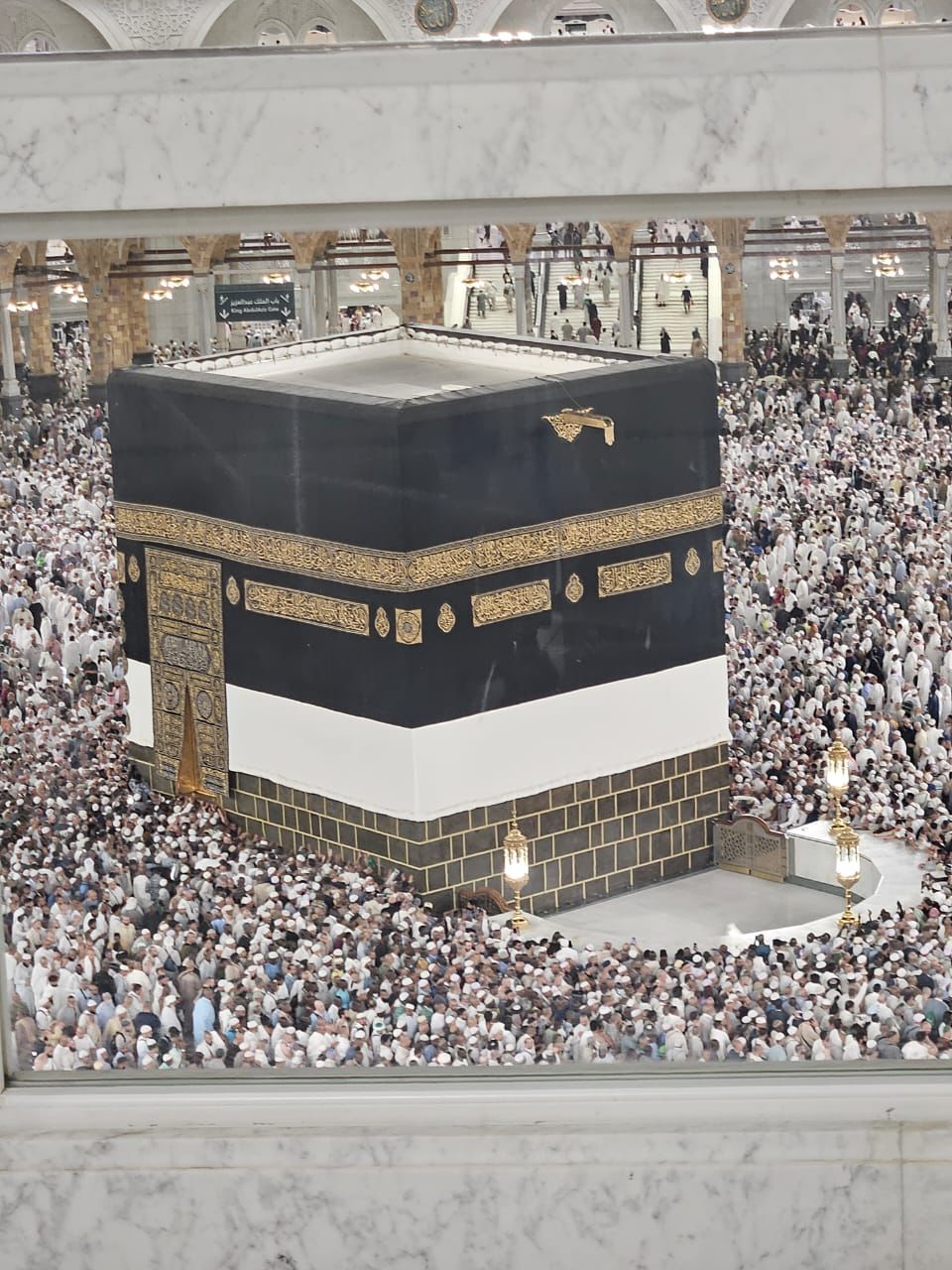
Every year, millions of Muslims leave their homes and travel to Makkah with the intention of performing Umrah. For many, it is a journey they have prayed for, planned for, and saved towards over several years. It is one of the greatest opportunities a believer can receive.
Despite this, there is an important reminder that every intending pilgrim should keep in mind: Umrah is not a vacation. It is an act of worship.
Travelling for Umrah may involve flights, hotels, restaurants, shopping centres, and sightseeing opportunities, but none of these is the reason for the journey. The purpose of Umrah is to worship Allah, seek His forgiveness, and strengthen one’s relationship with Him.
Unfortunately, some people gradually lose sight of this purpose. They become more concerned about taking photographs, visiting shopping malls, or documenting every moment on social media than making the most of their time in the Haram. Hours that could have been spent in prayer, Qur’an recitation, and supplication are sometimes exchanged for activities that could have been done in any other city.
A Muslim should remember that every minute spent in Makkah is valuable.
The opportunity to pray in the Sacred Mosque, perform Tawaf, recite the Qur’an near the Ka’bah, and make dua in one of the holiest places on earth is not something that should be taken lightly. No one knows when or whether they will be given another opportunity to return.
This is why careful planning is important.
Before travelling, pilgrims should think about how they intend to spend their days. Instead of filling the schedule with shopping and sightseeing, they should prioritise acts of worship. Daily goals such as completing portions of the Qur’an, making extensive dua, attending congregational prayers, and spending time in remembrance of Allah can help ensure that the journey remains spiritually focused.
Another common mistake is allowing comfort to become the primary concern.
Some pilgrims become upset over hotel rooms, meal arrangements, transport delays, or crowded conditions. While it is natural to expect reasonable services, it is important to remember that Umrah involves sacrifice and patience.
The holy cities receive millions of visitors from every part of the world. Delays, long walks, waiting times, and large crowds are all part of the experience. A pilgrim who understands this before travelling is less likely to become frustrated and more likely to respond with patience and gratitude.
Good character is one of the greatest forms of worship during Umrah.
Unfortunately, arguments, impatience, and harsh words are sometimes witnessed even in the sacred precincts. Pilgrims may become impatient while performing Tawaf, competing for space, or waiting for transportation.
Such behaviour contradicts the spirit of Umrah.
The journey should be an opportunity to improve one’s character by showing patience, kindness, humility, and consideration for fellow Muslims. Every interaction with another pilgrim is an opportunity to earn reward.
It is also important to avoid making shopping the highlight of the journey.
Buying gifts for family and friends is a good practice and is appreciated by loved ones. However, shopping should never consume the time that could have been spent in worship. Merchandise can be purchased elsewhere, but the opportunity to stand before the Ka’bah in sincere supplication cannot be replaced.
Pilgrims should also make full use of their time in Madinah.
The Prophet’s Mosque is a place of immense blessing where Muslims should increase in prayer, remembrance of Allah, recitation of the Qur’an, and reflection. The peaceful atmosphere of Madinah provides an excellent opportunity to strengthen one’s faith and renew one’s commitment to Islamic values.
Another important point is that Umrah should produce lasting change.
The success of the journey is not measured by the number of photographs taken or the amount of Zamzam water and gifts brought home. Rather, it is measured by the positive transformation that remains after returning.
Does the pilgrim become more committed to the five daily prayers?
Do they become more truthful in their dealings?
Do they increase their recitation of the Qur’an?
Do they abandon sinful habits?
Do they become more patient and grateful?
These are the signs that Umrah has had its intended effect.
Before leaving for the August Umrah season, every pilgrim should remind themselves why they are making the journey.
They are not travelling to be entertained.
They are not travelling to impress others.
They are not travelling merely to say they have visited Makkah.
They are travelling to answer the call of Allah, to seek His mercy, and to return home spiritually stronger than when they left.
When a Muslim understands that Umrah is an act of worship rather than a vacation, every step of the journey takes on greater meaning. Their time is used wisely, their worship becomes more sincere, and the experience leaves a lasting impact that continues long after they have returned home.
