


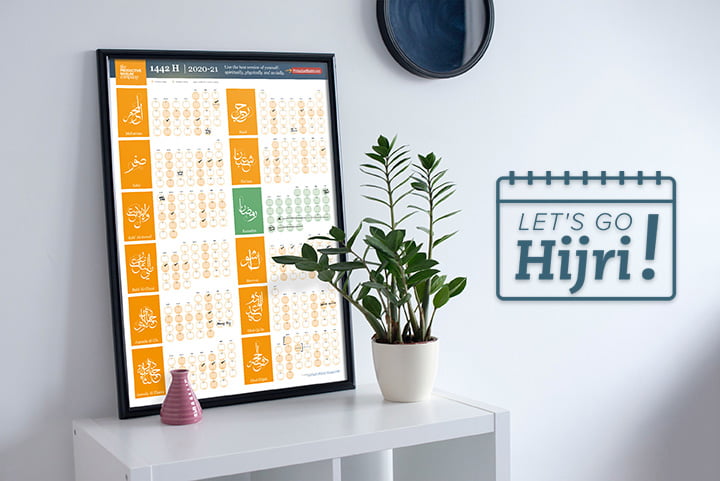
In an age where most of the world follows the Gregorian calendar, many Muslims may not pay much attention to the Hijri calendar except during Ramadan, Hajj, or the two Eids. Yet the Islamic calendar remains an essential part of Muslim identity and religious life.
The Hijri calendar is more than a system for counting days and months. It is a calendar rooted in faith, history, and worship. Its beginning was linked to the Hijrah of Prophet Muhammad (peace be upon him) from Makkah to Madinah, a turning point that established the first Muslim community and laid the foundation for Islamic civilization.
The decision to use the Hijrah as the starting point of the Islamic calendar was made during the leadership of Umar ibn Al-Khattab. Rather than choosing the Prophet’s birth or the beginning of revelation, the companions selected the Hijrah because it marked the transition from hardship and persecution to stability and growth for the Muslim Ummah.
Many of the most important acts of worship in Islam are connected directly to the Hijri calendar. Ramadan, the month of fasting, follows the lunar calendar. The Hajj pilgrimage takes place during specific days of Dhul-Hijjah. The observance of Ashura occurs in Muharram, while the celebrations of Eid al-Fitr and Eid al-Adha are also determined by Islamic months.
The Hijri calendar reminds Muslims that their lives should revolve around their faith. It connects believers to significant events, sacred seasons, and opportunities for worship throughout the year. Every Islamic month carries lessons and blessings that help strengthen a Muslim’s relationship with Allah.
Another unique feature of the Islamic calendar is that it is based on the lunar cycle. Because it is shorter than the Gregorian calendar by approximately eleven days, Islamic months move through different seasons over time. This allows Muslims around the world to experience acts of worship under varying conditions, demonstrating fairness and wisdom in Allah’s legislation.
Understanding the Hijri calendar can also deepen appreciation for Islamic history. Each new year reminds Muslims of the sacrifices made by the Prophet (peace be upon him) and his companions. Their struggles, patience, and determination continue to inspire generations of believers.
For Muslim families, teaching children about the Islamic months can strengthen their connection to Islam. Knowing when Muharram, Ramadan, Shawwal, and Dhul-Hijjah occur helps create awareness of important religious occasions and encourages participation in acts of worship associated with them.
As a new Islamic year begins, Muslims should strive to reconnect with the Hijri calendar and the values it represents. It is not merely a way of measuring time; it is a reminder of our history, our responsibilities, and our ultimate purpose as servants of Allah.
May Allah bless us throughout this new Hijri year and allow us to benefit from every month, every week, and every day that He grants us. Ameen.
