


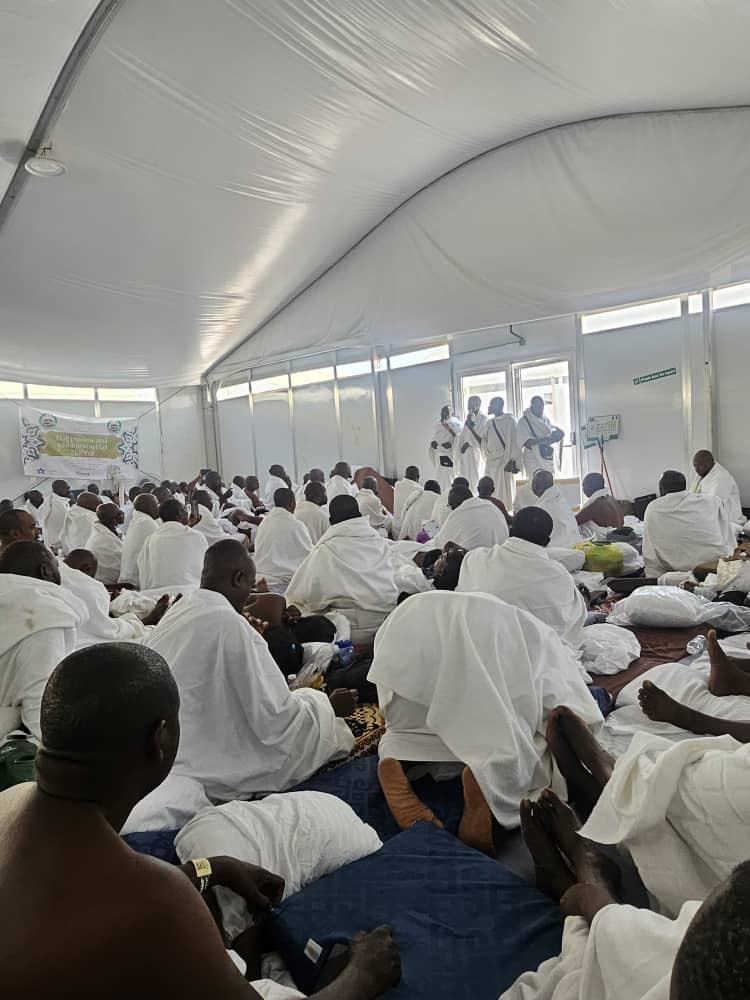
One of the most beautiful aspects of Hajj is that it brings together Muslims from every corner of the world. Pilgrims travel from different continents, speak different languages, belong to different cultures, and come from different social backgrounds. Yet they gather in the same places, perform the same rituals, and worship the same Lord.
Before Hajj, many people think the journey is mainly about sacred sites such as the Kaaba, Mina, Muzdalifah, and Arafah.
While these places are central to the pilgrimage, many pilgrims discover that some of the most memorable lessons come from the people they meet along the way.
HAJJ BREAKS DOWN BARRIERS
In ordinary life, people often interact mainly with those who share similar backgrounds, languages, or cultures.
Hajj changes that completely.
A wealthy businessman may stand beside a farmer.
A university professor may share a tent with a labourer.
A young pilgrim may walk alongside an elderly believer.
Nationality, status, and profession suddenly become less important.
The white garments of ihram remind everyone that before Allah, true honour comes through righteousness, not worldly position.
THE PATIENCE OF THE ELDERLY
Many pilgrims are inspired by elderly men and women who undertake the physically demanding journey despite their age.
Some walk slowly.
Some require assistance.
Some struggle with fatigue.
Yet they continue with determination and gratitude.
Watching them often teaches younger pilgrims valuable lessons about perseverance, commitment, and love for Allah.
Many people return home realizing that if an elderly pilgrim can endure the difficulties of Hajj with patience, they can face their own challenges with greater strength.
THE GENEROSITY OF STRANGERS
One of the remarkable things about Hajj is how often kindness comes from complete strangers.
A person may offer you water without knowing your name.
Someone may help you find your group.
Another pilgrim may give up their seat for someone in need.
Acts of generosity occur constantly throughout the pilgrimage.
These moments remind believers that the Ummah is built upon compassion, service, and mutual care.
The kindness of strangers often becomes one of the most cherished memories of Hajj.
THE POWER OF SHARED WORSHIP
During Hajj, people from different backgrounds unite in worship.
They make dua together.
They stand together in prayer.
They recite the Talbiyah together.
They gather on the plains of Arafah together.
This shared experience creates a powerful sense of unity.
It reminds believers that Islam transcends race, nationality, and language.
The bonds of faith are often stronger than the differences that separate people.
LESSONS FROM THOSE WHO HAVE LESS
Not every pilgrim arrives with the same financial resources.
Some have saved for decades to make the journey.
Others have made significant sacrifices to afford the trip.
Yet many of these pilgrims display remarkable gratitude.
They complain less.
They appreciate small blessings.
They focus more on worship than comfort.
Their example often teaches an important lesson: contentment is not determined by wealth but by the condition of the heart.
THE SILENT INSPIRATION OF OTHERS
Sometimes the most powerful lessons come from observing people quietly.
A pilgrim reading Qur’an while others sleep.
An elderly man constantly engaged in dhikr.
A woman making dua with complete sincerity.
A volunteer helping others without seeking recognition.
These scenes often leave lasting impressions.
They remind believers that sincere worship does not require attention or applause.
The most beautiful deeds are often the ones performed solely for Allah.
WHAT HAJJ TEACHES ABOUT THE UMMAH
Modern news often focuses on the problems facing Muslims around the world.
Hajj offers a different perspective.
It demonstrates the strength, diversity, and resilience of the global Muslim community.
Despite differences in language and culture, millions gather peacefully with a shared purpose.
For many pilgrims, this experience deepens their appreciation for belonging to a worldwide Ummah.
FINAL THOUGHTS
The sacred sites of Hajj leave lasting memories, but so do the people.
The elderly pilgrim who inspired patience.
The stranger who showed kindness.
The worshipper whose sincerity touched the heart.
The volunteer who served others quietly.
These encounters become reminders that Allah teaches lessons through people as well as places.
Many pilgrims arrive expecting to learn from the rituals.
They leave realizing they also learned from the believers who performed those rituals alongside them.
And sometimes, those human lessons remain among the most powerful memories of the entire journey.
