


Some people enter Ramadan already exhausted. Not from hunger, but from pressure. Pressure to be better overnight. Pressure to fix years of weakness in thirty days. Pressure fueled by comparison, social media highlights, and unrealistic spiritual expectations.
Ramadan was never meant to crush the soul. It was revealed to save it.
When mercy is misunderstood, worship becomes harsh. Missed prayers lead to despair instead of repentance. A bad day of fasting turns into “I’ve ruined everything.” One slip becomes an excuse to give up entirely. This is not spiritual strength. This is spiritual burnout dressed as seriousness.
Allah did not open the gates of mercy so we could whip ourselves inside them.
Ramadan works best when it is approached with hope, not fear of failure. Hope that Allah multiplies small deeds. Hope that intention is rewarded even when energy is low. Hope that returning again and again is beloved, even after stumbling.
The companions were not perfect in Ramadan. They were persistent.
Mercy means you keep showing up.
Mercy means you repent without drama.
Mercy means you do not abandon the month because you could not be the “ideal Muslim” you imagined.
The fasting person who struggles but continues is closer to Allah than the one who quits quietly out of shame.
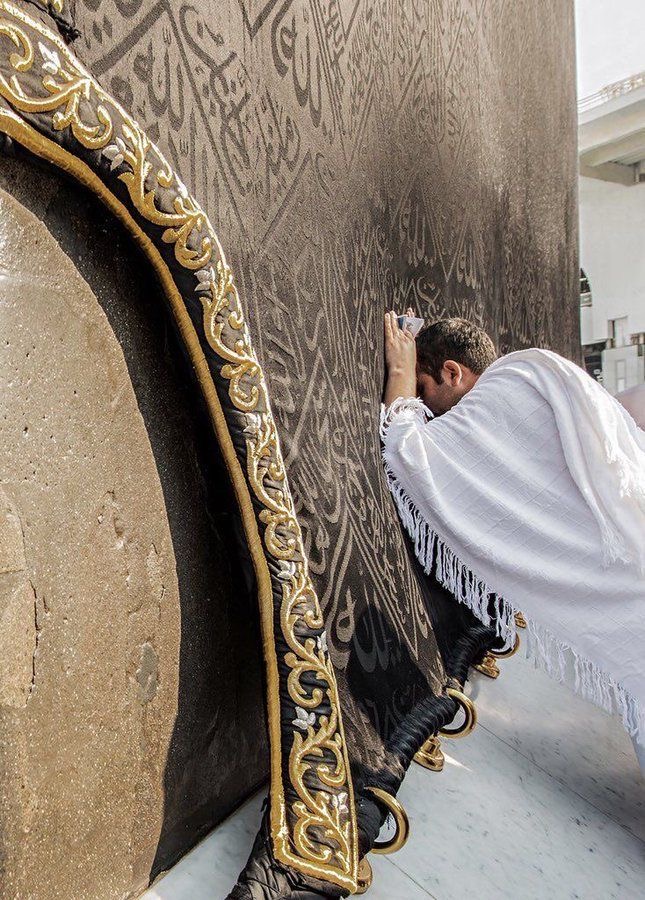
For those preparing for Umrah or Hajj, this mindset is crucial. Sacred journeys are not for the flawless. They are for the returning. Many hearts are healed in Makkah and Madinah not because of perfection, but because mercy is finally believed.
Ramadan is not a test you pass or fail. It is an invitation you respond to daily.
Let mercy shape your effort. Let hope soften your discipline. Let Allah be more generous in your expectations than you are harsh on yourself.
A Ramadan lived with mercy leaves the heart stronger, lighter, and closer—ready to continue long after the fasting ends.
