


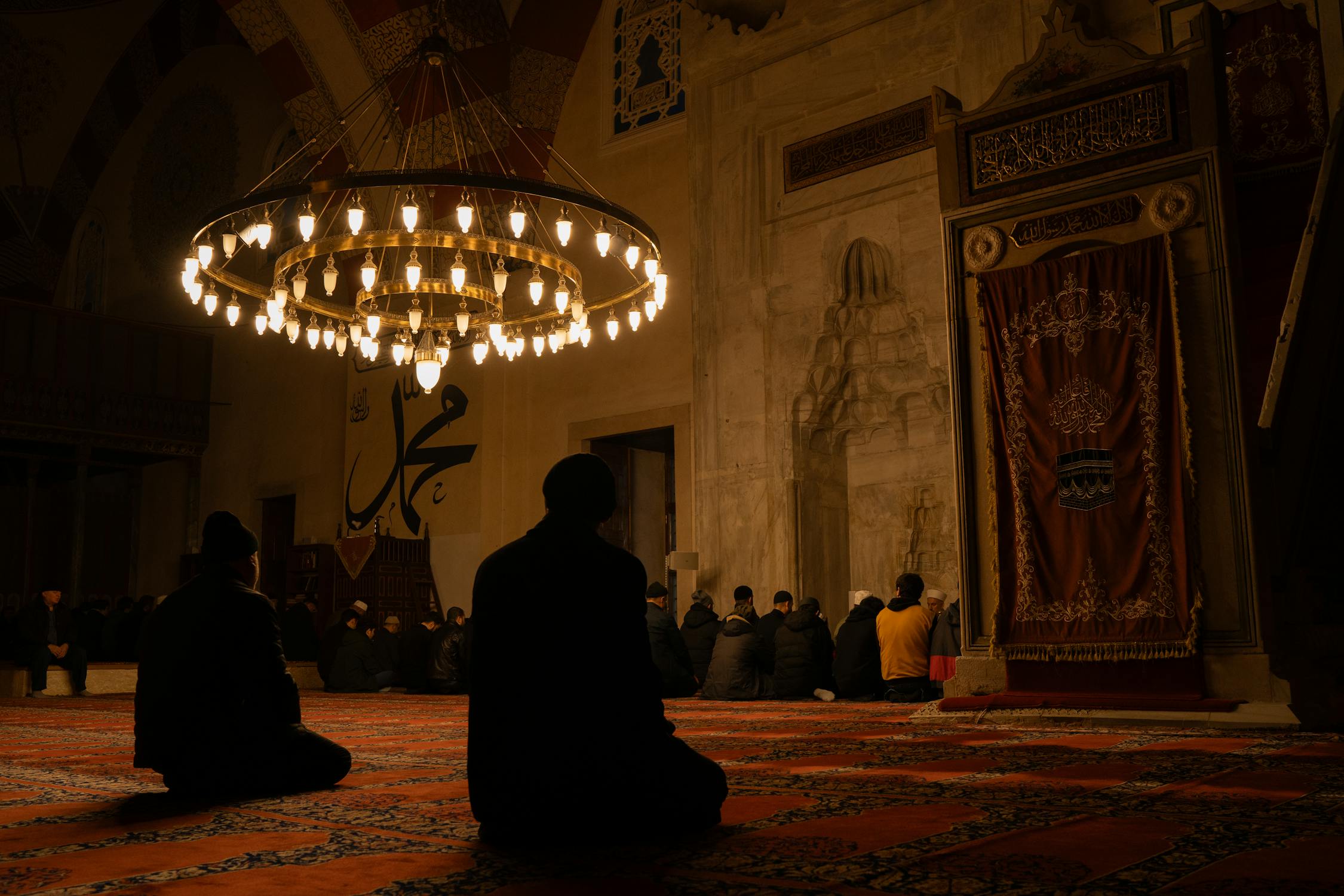
Ramadan arrives each year as a gentle but firm invitation to slow down, reflect, and realign our lives with the purpose Allah created us for. At the center of this blessed month is fasting (Sawm), one of the five pillars of Islam. Yet for many Muslims and even curious non-Muslims questions often arise about what fasting truly means, how it works, and why it matters so deeply. This article answers the most common questions and sheds light on the wisdom behind this beautiful act of worship.
Fasting in Ramadan means abstaining from food, drink, and marital relations from dawn (Fajr) until sunset (Maghrib). But this outward restraint is only the surface. Islam teaches that true fasting also involves guarding the tongue from harmful speech, the eyes from what displeases Allah, and the heart from arrogance, envy, and anger. In this sense, fasting is a holistic act that disciplines both body and soul.
Many people ask why Muslims fast for an entire month. The Qur’an provides the answer clearly: fasting is prescribed so that believers may attain taqwa a conscious awareness of Allah that influences every decision. Hunger and thirst are not punishments; they are tools. They soften the heart, break unhealthy attachments, and remind us of our dependence on Allah alone.
Another common question is who is required to fast. Fasting is obligatory for adult Muslims who are physically and mentally able. Islam, however, is a religion of mercy. Those who are sick, traveling, pregnant, breastfeeding, elderly, or menstruating are either permitted to delay their fasts or exempted, with clear guidance on making them up later or offering fidya (feeding the poor). This balance shows that Islam never seeks hardship, only sincerity.
People often wonder what breaks the fast. Eating, drinking, and marital intimacy during daylight hours invalidate the fast, as do intentional actions that contradict its purpose. However, unintentional acts such as eating forgetfully do not break the fast. The Prophet Muhammad ﷺ reassured believers that such moments are a gift of Allah’s mercy, not a failure.
Beyond personal discipline, fasting builds empathy. When a fasting person feels hunger, they gain a deeper understanding of those who face hunger daily. This is why Ramadan is closely linked with charity. Giving Zakat and voluntary Sadaqah during this month purifies wealth and strengthens community bonds, reminding Muslims that worship is incomplete without compassion.
Another frequently asked question is about the spiritual rewards of fasting. The Prophet ﷺ taught that fasting holds a unique status with Allah, so special that its reward is known fully only to Him. Ramadan also contains Laylat al-Qadr, a night better than a thousand months, where sincere worship can transform a believer’s destiny.
As the month concludes, Muslims celebrate Eid al-Fitr, not as a reward for hunger, but as gratitude for guidance, patience, and growth. The joy of Eid reflects a heart that has been softened, disciplined, and reconnected to its Creator.
In essence, fasting in Ramadan is not about deprivation it is about elevation. It lifts the believer above routine habits, reconnects them with the Qur’an, and nurtures a faith that is meant to last long after the crescent moon fades. Each fast is a quiet declaration of devotion, reminding the Ummah that true strength lies in self-control, sincerity, and trust in Allah.
