


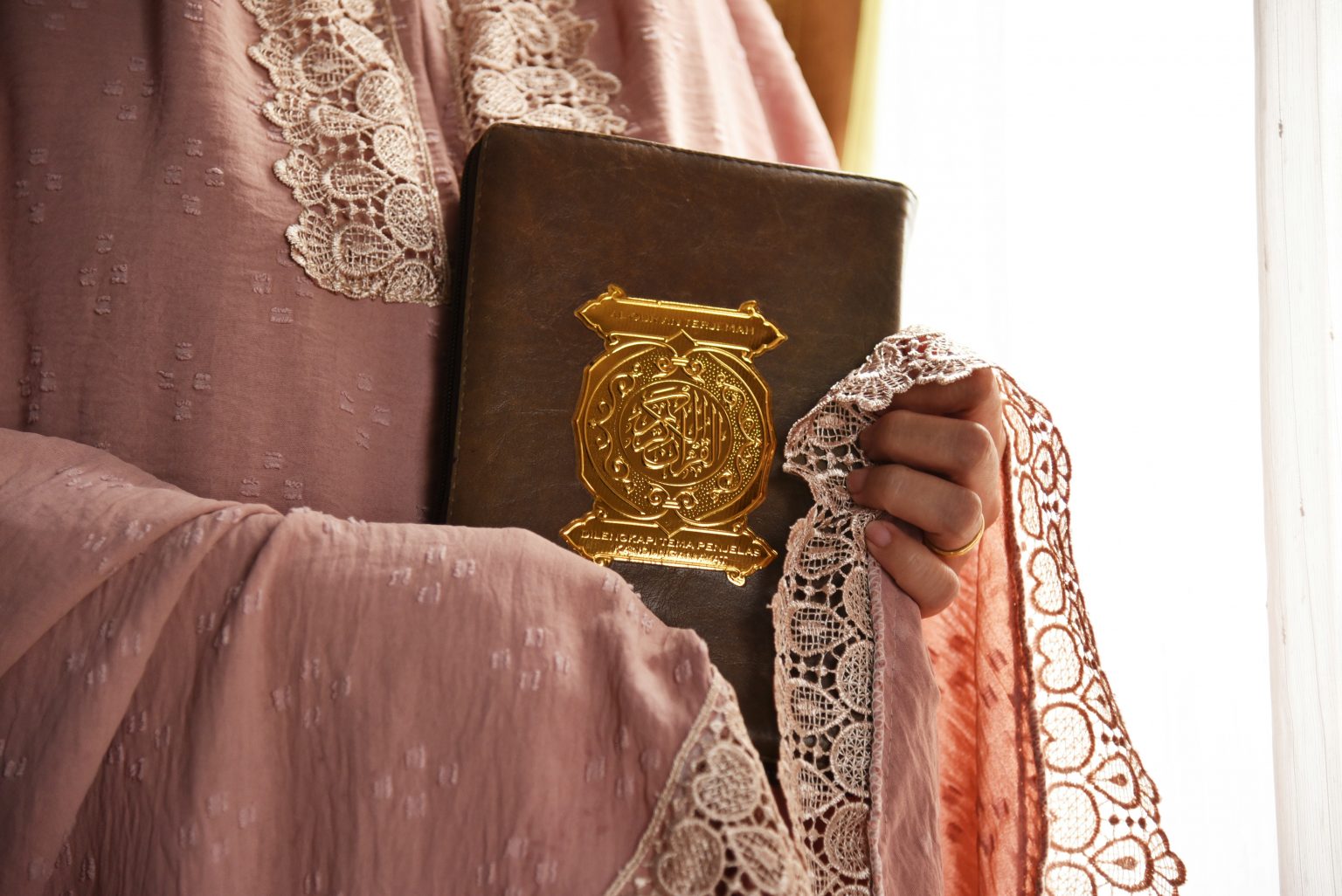
Salah is not only a set of movements performed at specific times. It is a living act of worship shaped by intention, humility, and prophetic guidance. Beyond the obligatory and regular Sunnah prayers, the Prophet ﷺ taught and practiced many Sunnah actions connected to prayer that deepen presence, increase reward, and refine a believer’s relationship with Allah.
These practices may appear simple, but they carry spiritual weight. They transform prayer from routine into remembrance.
Using the Siwak Before Prayer
The Prophet ﷺ loved cleanliness and encouraged the use of the siwak before prayer. Purifying the mouth before standing before Allah reflects both physical and spiritual readiness. A clean mouth honors the Qur’an that will be recited and sharpens awareness during salah.
Performing Wudu With Care and Consciousness
The Prophet ﷺ performed wudu with calmness, beginning with the name of Allah and ensuring each limb was washed properly. He taught that sins fall away with each drop of water. Wudu is not just preparation for prayer; it is an act of worship that resets the heart before standing in salah.
Praying With a Sutrah (Barrier)
The Prophet ﷺ often placed a barrier in front of him while praying, even if it was a small object like a spear or stick. This Sunnah protects concentration, maintains boundaries, and reinforces the sacred space between the servant and Allah.
Beginning With Takbir and Raising the Hands
Raising the hands while saying Allahu Akbar marks a clear transition from worldly concerns into divine presence. It is as if one physically casts aside distractions and enters a moment of exclusive devotion.
Placing the Right Hand Over the Left
The Prophet ﷺ placed his right hand over his left while standing in prayer. This posture reflects humility, discipline, and surrender before Allah, reinforcing inner stillness through outward form.
Reciting With Calmness and Reflection
The Prophet ﷺ recited the Qur’an slowly and distinctly, pausing at verses of mercy and punishment. This Sunnah transforms recitation into conversation. Salah becomes more than words; it becomes dialogue with Allah.
Pausing Briefly Between Movements
One of the most overlooked Sunnah practices is achieving calmness (tuma’ninah) in every position. The Prophet ﷺ did not rush between bowing, standing, or prostration. Stillness in each posture allows the heart to catch up with the body.
Lengthening Sujood and Making Du‘a
The Prophet ﷺ taught that a servant is closest to Allah while in sujood. He lengthened his prostration and made du‘a generously. Sujood is not just a physical position; it is the lowest posture with the highest spiritual access.
Turning the Head Gently During Taslim
Ending prayer with peace is itself a Sunnah. The Prophet ﷺ turned his head gently to both sides while concluding the prayer, spreading peace and closing the act of worship with serenity.
Maintaining Focus and Avoiding Unnecessary Movement
The Prophet ﷺ prayed with deep concentration and discouraged fidgeting or distraction. This Sunnah teaches that stillness of the body nurtures stillness of the heart.
Why These Sunnah Practices Matter
Each of these actions polishes the soul and strengthens connection with Allah. They are not burdensome additions, but thoughtful refinements. When practiced consistently, they increase khushu‘ (humble focus), protect prayer from haste, and align worship with prophetic guidance.
In a fast-paced world, these Sunnah practices quietly teach us how to slow down before Allah.
By reviving them, we do not merely improve our prayer. We revive a living Sunnah, preserve a sacred trust, and walk more closely in the footsteps of the Prophet ﷺ.
May Allah allow our prayers to be illuminated with sincerity, calmness, and prophetic beauty.
