

LIFE LESSONS ASSOCIATED WITH THE DIFFERENT RITES OF THE PILGRIMAGE

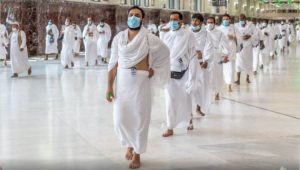
The rites of Hajj aren’t random acts stitched together into a long journey. Each step carries a message, a mirror, a reminder. When you look closely, every ritual is a life lesson in disguise a deeper truth Allah teaches through movement, struggle, and surrender.
Here is the wisdom tucked gently inside each major rite:
Ihrām — Stripping Back to What Truly Matters
Before anything begins, you remove the layers that usually define you: wealth, status, style, identity. You stand like everyone else, wrapped in simplicity. Life keeps trying to convince us that we are what we own or what we display, yet Ihrām whispers the opposite. True worth isn’t in appearance; it’s in the heart you bring to Allah.
Tawāf — Make Allah the Center or Life Will Feel Off-Balance
Circling the Kaaba is a reminder that everything in your life revolves around a center point. If that center is unstable — money, people, ego — your whole life wobbles. When Allah becomes your anchor, your emotional orbit steadies. Tawāf teaches that alignment with the Divine is the only way to find lasting calm.
Sa’i Between Ṣafā and Marwah — Effort Is Worship Even When You Feel Empty
Hajar’s running wasn’t graceful. It wasn’t perfect. It was desperate and exhausting. Yet Allah loved it so much He made it an act of worship for all believers. Sa’i teaches that your striving matters, even when you feel uncertain. Effort counts. Tears count. Trying counts. The springs of relief often come right after the moments you feel you have nothing left.
Standing on ‘Arafah — Clarity Comes When You Stand Still in Your Truth
‘Arafah is the heart of Hajj — a day of vulnerability, repentance, and honest reflection. There is no movement here, no ritual except du’a. Life demands the same: there are moments where action pauses and reflection becomes the real work. ‘Arafah teaches that knowing yourself, admitting your mistakes, and turning back to Allah is the beginning of every transformation.
Muzdalifah — Contentment Is Found in Simplicity
Sleeping beneath the open sky with nothing but the ground beneath you teaches humility. The world pushes endless desires, yet Muzdalifah shows how little you actually need. Peace comes not from excess but from surrender. When you carry less, both physically and spiritually, life becomes lighter.
Stoning the Jamarāt — Fight Your Weaknesses One Throw at a Time
The symbolic stoning of Shayṭān is a reminder that you face these whispers every day. Pride, anger, temptation, laziness — the inner battleground is real. The Jamarāt teach strategy: you don’t defeat your weaknesses in one giant moment. You strike them repeatedly, consistently, one pebble at a time.
The Sacrifice (Qurbānī) — What You Love Most Must Belong to Allah First
Ibrāhīm’s test wasn’t about losing his son; it was about proving that love for Allah sits above every attachment. Sacrifice teaches that anything you place above obedience — comfort, desire, pride — becomes the very thing that holds you back. True freedom is giving Allah the first claim to your heart.
Tawāf al-Ifādah — Renewal Comes After Submission
After the most intense part of Hajj concludes, you return to the Kaaba. This second circling mirrors life: once you’ve surrendered, struggled, reflected, and fought your inner battles, you come back renewed. Tawāf al-Ifādah is the spiritual “restart” — a reminder that obedience brings you closer to who you’re meant to be.
Shaving or Trimming the Hair — Letting Go Helps You Grow
Cutting the hair seems small, but it represents release: letting go of old habits, old sins, old versions of yourself. Growth always requires shedding something. You can’t carry yesterday’s mistakes into tomorrow’s light.
Final Tawāf (Tawāf al-Wadā’) — Every Blessing in Life Is a Temporary Trust
The farewell pilgrimage ends with a gentle but profound lesson: nothing in this world is permanent. You hold blessings, you experience closeness, you walk through sacred moments but eventually, you must let go and return to normal life. Tawāf al-Wadā’ teaches gratitude and humility: cherish the gifts, but never cling to them more than the Giver.
Hajj is a journey of the body, but every step is really meant for the soul. Each rite is a chapter in a larger story the story of how a believer transforms, softens, surrenders, and returns home to Allah with a heart polished by hardship and hope.
These lessons travel back with you long after you leave the holy lands, shaping how you walk through the rest of your life.
